

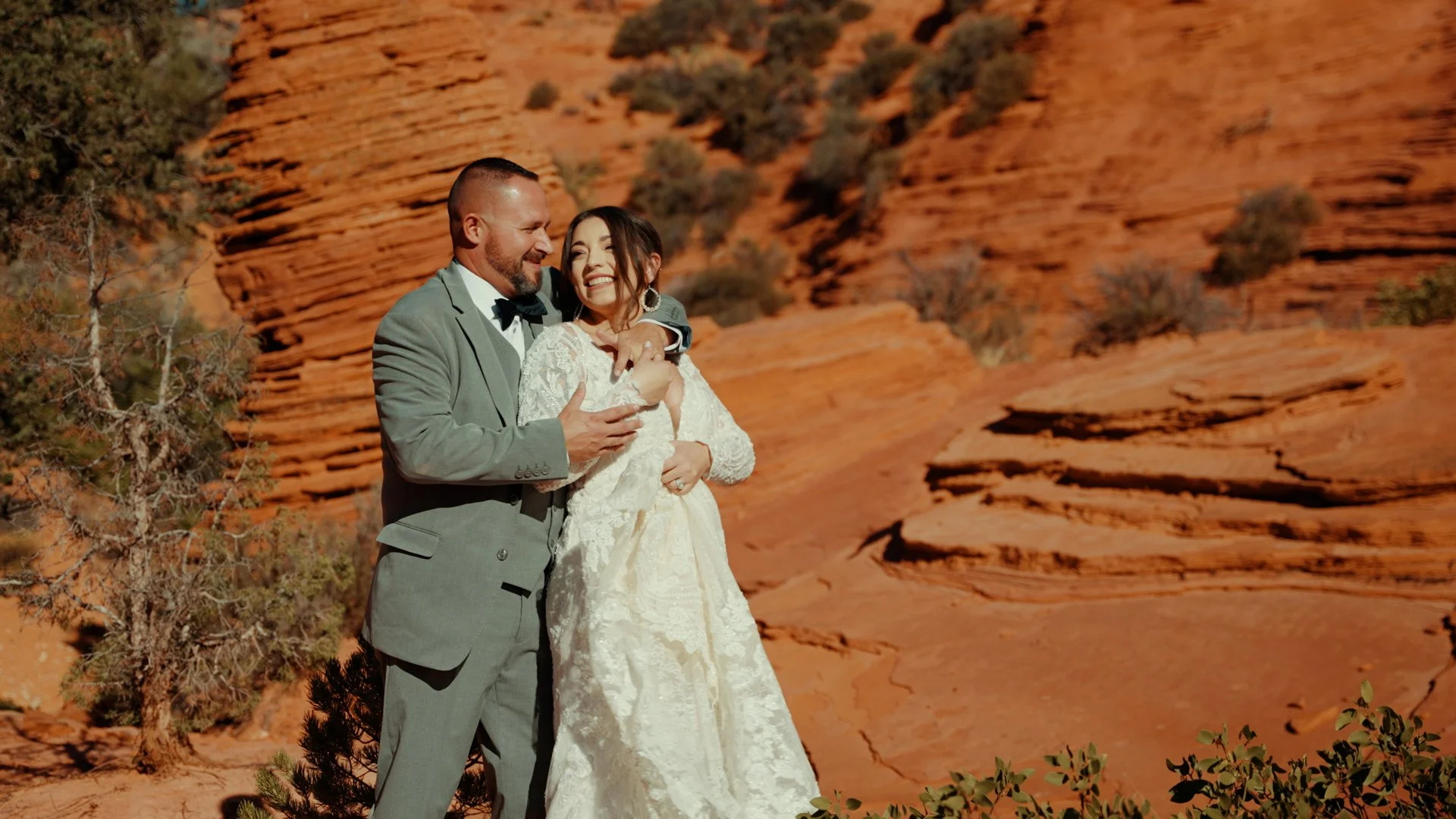
Wedding Video Timeline Breakdown: What Your Videographer Needs (and When) for a Film That Feels Like You
Most wedding timelines are built for photos and “events”—but the best wedding films are built around transitions. The deep breath before you walk down the aisle. The quiet exhale right after the ceremony. The “you good?” check-in from your best friend. This timeline breakdown shows exactly what your videographer needs (and when), plus the buffers that keep your day from feeling rushed—so your film feels personal, emotional, and like you.
If you want a wedding film that feels personal (not generic), your timeline matters way more than people think.
This isn’t about turning your wedding into a movie set. It’s about giving your videographer the right moments at the right time—so the story actually has room to breathe.
The big idea: video needs transitions, not just “events”
Most timelines are built for:
Hair/makeup
Photos
Ceremony
Reception
Video needs all that… plus the in-between moments:
The deep breath before you walk out
The “you good?” check-in from your best friend
The quiet after the ceremony when you finally exhale
Those transitions are where the emotion lives.
A simple wedding video timeline (with real-world buffers)
Below is a super common structure. Adjust the times to fit your day—what matters is the spacing.
1) Getting ready (2–3 hours)
What your videographer needs:
A clean corner for details (dress, rings, invites, perfume/cologne)
Natural light if possible
Access to both partners if you’re getting ready separately
Best moments to capture here:
Letter reads / vows practice
Parents’ reactions
Final touches (buttoning dress, tie, jacket, jewelry)
Timeline tip: Try not to schedule a bunch of people in and out of the room during letter reads. Quiet = better audio.
2) First look (optional) + couple portraits (45–75 minutes)
What your videographer needs:
A location with space and decent light
A few minutes where you’re not being rushed to the next thing
Best moments to capture here:
The actual first look reaction
You two talking (yes, talking—don’t just pose)
A little walking + natural movement
Timeline tip: If you want a story-first film, plan 10 minutes after the first look with no photos scheduled. Just let it land.
3) Wedding party + family photos (45–90 minutes)
What your videographer needs:
A clear plan so this doesn’t eat the whole day
Someone (planner, coordinator, assertive friend) who can wrangle people
Best moments to capture here:
Hugs with parents/grandparents
Wedding party energy (the chaos is good content)
Timeline tip: Family photos always run long. Build a buffer so you’re not sprinting into the ceremony.
4) Ceremony (30–60 minutes)
What your videographer needs:
Time to set up audio (mics + backup)
A clean audio feed from the DJ if available
Best moments to capture here:
Processional reactions
Vows (the heart of the film)
Recessional + that “WE’RE MARRIED” energy
Timeline tip: Tell your officiant and DJ ahead of time that you’re mic’d. It prevents last-second confusion.
5) Post-ceremony “just married” time (10–20 minutes)
This is the most underrated part of the day.
What your videographer needs:
You two alone (or mostly alone)
A spot away from the crowd
Best moments to capture here:
Real conversation
Happy crying
The calm after the storm
Timeline tip: If you do one thing for your film—do this.
6) Cocktail hour (45–90 minutes)
What your videographer needs:
Access to the room/space before it gets packed
A few minutes for venue detail shots
Best moments to capture here:
Guests mingling
You greeting people
Detail shots (bar, florals, signage, table settings)
Timeline tip: If you want reception room shots, make sure your videographer can get in there before guests.
7) Reception events (2–4 hours)
What your videographer needs:
A clear order of events from the DJ/planner
Good audio for speeches
Best moments to capture here:
Grand entrance
First dance
Parent dances
Speeches/toasts
Open dancing (the fun stuff)
Timeline tip: Speeches are gold for storytelling. If possible, do them when people are seated and the room is quieter.
The 5 timeline mistakes that hurt your wedding film
No buffer time (everything runs late, and video gets rushed)
Letter reads in a loud room (audio becomes unusable)
No time after the ceremony (you miss the emotional exhale)
Reception details happen after guests enter (you lose the clean shots)
Speeches in bad audio conditions (DJ too loud, people standing around talking)
Quick checklist to send your videographer
Final timeline (with addresses)
Planner/coordinator contact
DJ contact
Ceremony rules (church restrictions, unplugged ceremony, etc.)
Any “must-have” people (grandparents, special friends, etc.)
Bottom line
A great wedding film isn’t just about having a good camera. It’s about having a day that gives real moments space to happen.
If you want, send me your current timeline (even a rough one) and I’ll point out 2–3 small tweaks that’ll make your film hit way harder.
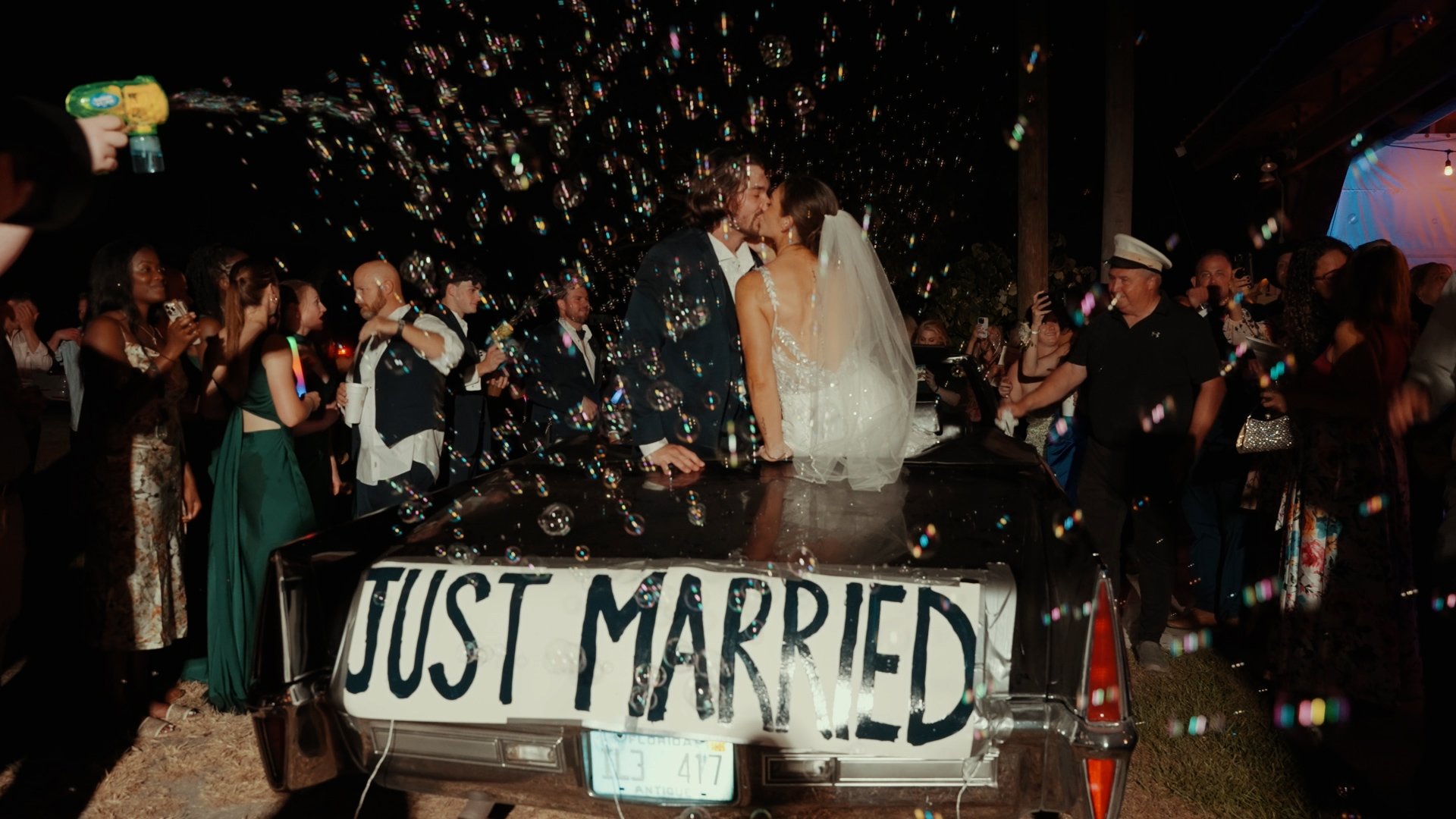
The Story-First Wedding Film: A Practical Guide to Capturing Real Audio, Real Moments, and Real Emotion
If you’ve ever watched a wedding film that looked amazing but somehow felt like nothing… it’s usually missing one thing: real audio. A story-first wedding film is built around your voices—vows, letters, speeches, and the little unscripted comments that make the day feel alive. This guide breaks down what “story-first” actually means, what to ask before you book a videographer, and how to set your timeline up so your film captures real moments and real emotion (without turning your wedding into a production).
If you’ve ever watched a wedding film that felt like a movie trailer (pretty shots, pretty music, zero you)… you already know the problem.
A story-first wedding film isn’t about collecting “cool clips.” It’s about capturing the real voices, the real energy, and the moments you didn’t even realize mattered until you see them back.
What “story-first” actually means
A story-first film is built around:
Your voices (vows, letters, speeches, little side comments)
Your relationships (parents, friends, the people who shaped you)
The flow of the day (not just the ceremony)
Emotion + context (why the moment mattered, not just what it looked like)
Pretty visuals are still part of it—but they’re supporting the story, not replacing it.
Real audio is the cheat code
If you want a wedding film that punches you in the feelings (in the best way), audio is everything.
Here’s the audio that makes a film feel real:
Vows (obviously)
Letter reads (quiet, personal, and insanely powerful)
Speeches/toasts (the best “story” content of the whole day)
Natural moments (a laugh, a shaky breath, a “you ready?”)
Pro tip: Ask your videographer how they capture audio
Not all videographers mic the same way. A story-first approach usually includes:
Mic’ing the couple (at least during ceremony, often more)
Capturing clean audio from the officiant and DJ/soundboard
Having backup audio options (because weddings are chaos)
If they can’t clearly explain their audio plan, that’s a yellow flag.
The moments that matter most usually happen around the big moments
Everyone expects the ceremony and first dance to be emotional.
But the stuff that hits hardest is often:
The deep breath right before walking out
A parent seeing you dressed for the first time
A friend fixing your veil while cracking jokes
The “we did it” look after the ceremony
The hug you didn’t know you needed
A story-first shooter is watching for before and after moments—not just the “main event.”
How to set your day up for a better film (without turning it into a production)
You don’t need to stage your wedding. You just need to give your story room to happen.
1) Build in breathing room
If your timeline is packed to the minute, your film will feel rushed.
Add 10–15 minutes of buffer around key parts of the day
Don’t schedule portraits in the exact same window as family drama (it will happen)
2) Choose a getting-ready space with good light and low clutter
This is not about being “Pinterest perfect.” It’s about not filming your vows next to a pile of Amazon boxes.
Pick a room with natural light
Keep one corner clean for dress/suit details
3) Plan a quiet moment for letters or private vows
This is where the real story comes out.
5–10 minutes, just you two (or separate letter reads)
No crowd, no rushing, no interruptions
4) Tell your DJ what matters
Your DJ controls the room. If they’re on the same page, your film gets better.
Ask for a clean audio feed for ceremony + speeches
Make sure speeches happen in a spot where people can actually hear them
What to ask before you book a videographer
If you want a story-first film, ask questions that reveal how they think.
“How do you capture audio throughout the day?”
“Do you film moments before and after the ceremony?”
“What do you do when timelines run late?”
“How do you help couples feel comfortable on camera?”
“What’s your approach to editing—music-first or story-first?”
The best answer won’t be fancy. It’ll be clear.
The bottom line
A wedding film should feel like you, not a highlight reel of random pretty shots.
If you want something you’ll actually rewatch (and ugly cry to), prioritize:
Real audio
Real moments
A videographer who’s paying attention to the story, not just the aesthetics
If you want, tell me your wedding vibe (big party, intimate, church, destination, etc.) and I’ll suggest a simple timeline tweak that makes your film way stronger.
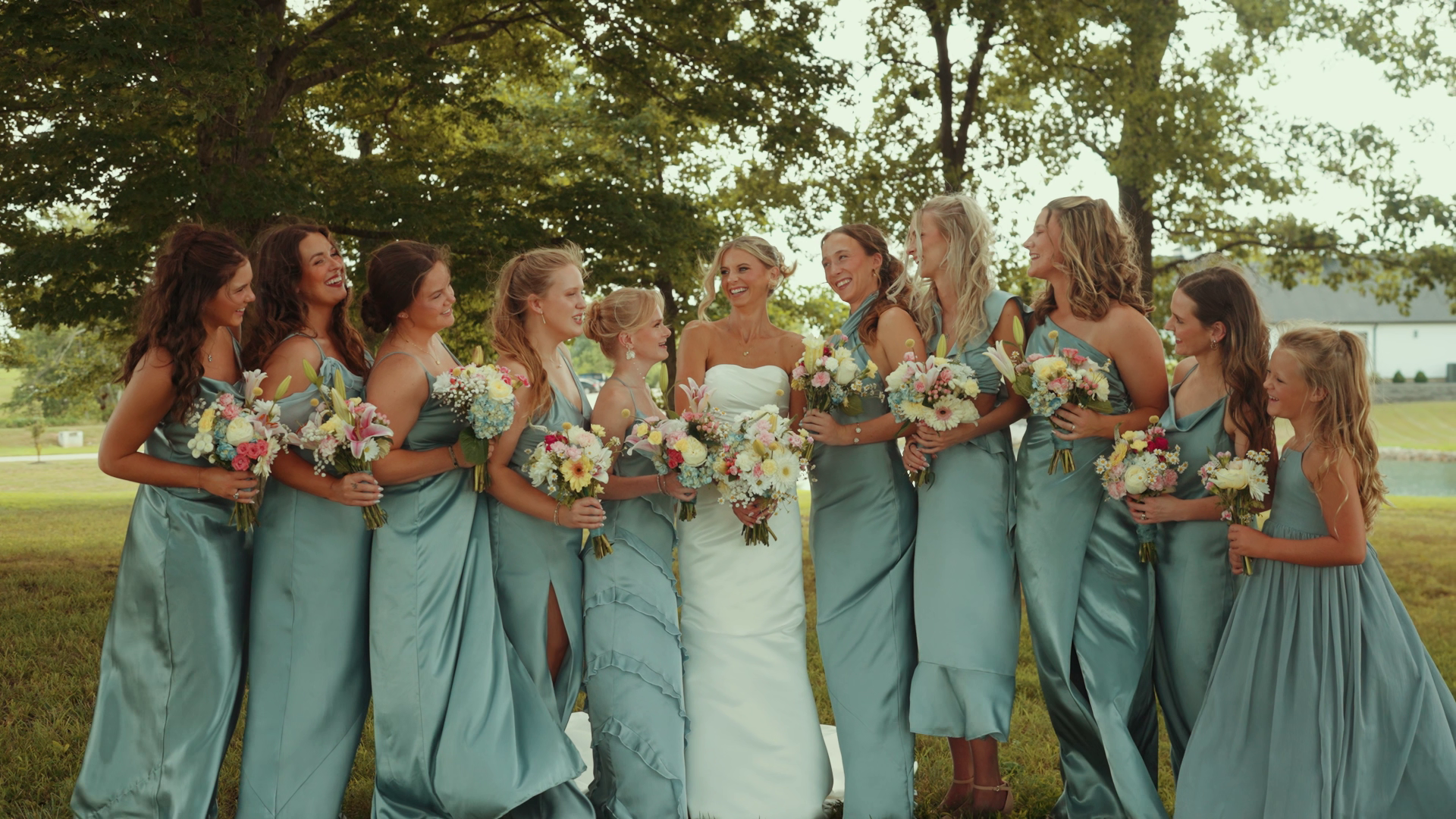
How to Choose a Wedding Videographer (Without Regretting It Later): 7 Questions to Ask Before You Book
Choosing a wedding videographer isn’t just about a pretty highlight reel—it’s about getting a film that actually feels like your day. Here are 7 questions to ask before you book (including the big ones most couples forget), so you don’t end up with a video that looks nice but hits you with zero emotion.
You’re about to spend thousands on a wedding day that’s going to fly by in about 12 minutes. So yeah—choosing a videographer matters.
A highlight reel can look pretty on Instagram. But a good wedding film? It makes you feel the day again. The nerves. The laughs. The shaky “I do.” The stuff you didn’t even notice happening.
Here are 7 questions to ask before you book—so you don’t end up with a video that looks nice but feels like nothing.
1) Can I watch 2–3 full films (not just highlights)?
Highlights are the trailer. Full films show the truth.
Ask to see full wedding films from start to finish. You’re looking for:
Audio quality (can you actually hear vows and speeches clearly?)
Story flow (does it feel like their day or a generic template?)
Consistency (do the “slow parts” still feel intentional?)
2) How do you capture audio all day?
If audio is bad, the film is bad. Period.
Ask what they mic:
Bride
Groom
Officiant
DJ / soundboard
And ask when they start recording audio. If they only mic during the ceremony, you’re missing half the emotional moments.
3) What’s your filming style on the wedding day?
Some videographers are invisible. Some are more hands-on.
Neither is “wrong,” but you should know what you’re signing up for. Ask:
Will you direct us during portraits?
Do you stage moments?
How do you handle tight timelines?
You want someone who can keep you comfortable without turning your day into a movie set.
4) Who is actually showing up to film?
This one’s huge.
Some companies sell you on one person and send someone else. Ask:
Will you personally be there?
If there’s a second shooter, who are they?
How long have you worked together?
Your wedding day isn’t the time for “we just met in a Facebook group.”
5) What’s included—and what costs extra?
Get clear on deliverables and add-ons.
Ask for specifics:
Hours of coverage
Film length (and what that means)
Drone (and weather/venue restrictions)
Full ceremony/speeches
Raw footage
Delivery method and timeline
If it’s vague, it’s usually expensive later.
6) How do you handle revisions?
Every couple has different taste. A good videographer expects that.
Ask:
How many revisions are included?
What counts as a revision (music? pacing? swapping scenes?)
How long do revisions take?
You want a process that’s clear and fair—no drama.
7) What happens if something goes wrong?
Not fun to think about, but it matters.
Ask about:
Backup cameras and audio recorders
Dual SD card recording
Insurance
Data backup plan
Pros plan for problems before they happen.
Final tip: choose the person, not just the portfolio
You’re going to spend a lot of your wedding day around your videographer. If you don’t vibe with them, you’ll feel it in the footage.
If you want, I can help you compare two videographers you’re considering—just send their websites/Instagram and tell me what kind of wedding vibe you’re going for.
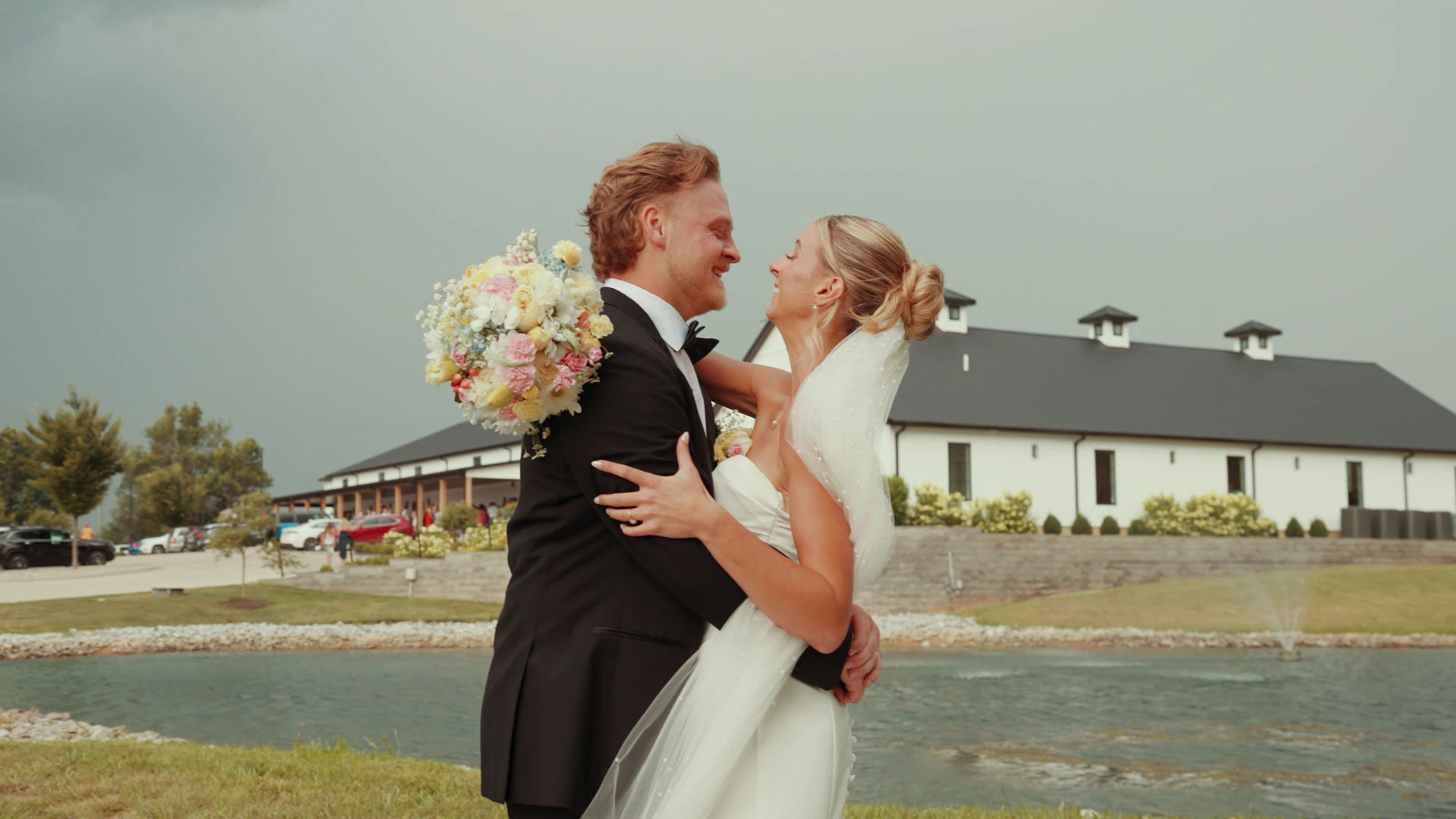
Real Audio, Real Tears: Why Mic’ing the Bride + Groom All Day Changes Everything in Your Wedding Film
Most wedding films look beautiful—but the ones that wreck you a year later have one thing in common: real audio. Here’s why mic’ing the bride and groom all day captures the whispers, laughs, and shaky breaths you can’t recreate—and turns a highlight reel into an actual story.
If you’ve ever watched a wedding film and thought, “This looks beautiful” but didn’t feel anything—it’s usually an audio problem.
Pretty shots are easy to find.
But the thing that makes you cry on your couch a year later? It’s the words. The shaky breath before the vows. The little jokes you forgot you said. The “Are you okay?” whispered right before you walk down the aisle.
That’s why mic’ing the bride and groom all day is a game-changer.
Wedding films aren’t about video—they’re about moments
Video captures what happened.
Audio captures what it meant.
When you can hear the real voices, the film becomes personal. It stops being a montage and starts being a story.
What you miss when you only mic the ceremony
A lot of videographers only mic during the ceremony (or worse—they rely on the DJ’s feed and hope it works).
Here’s what gets lost:
The private letter reading / gifts
The nervous laughs during getting ready
The “You look insane” moment when you first see each other
The little pep talk from dad or mom
The quiet “I can’t believe this is real” right before you walk out
Those are the moments that hit hardest—and they happen outside the ceremony.
What “all-day audio” actually means
When we say “mic’d,” we’re talking about small wireless microphones (lav mics) that capture clean, close audio.
All-day audio usually includes:
Groom mic’d early (so we catch pre-ceremony moments + anything spontaneous)
Bride mic’d when it makes sense (comfort first—always)
Officiant mic’d (so vows are crystal clear)
DJ/soundboard backup (redundancy matters)
The goal is simple: if something meaningful is said, we catch it.
The real reason this matters: you can’t recreate it
You can re-stage a shot.
You cannot re-stage:
the crack in your voice
the laugh that turns into crying
the exact way your partner says your name
That stuff is one take. One day. That’s it.
“But will the mic be visible?”
Sometimes, yes—a little.
And honestly? Most couples don’t care once they understand what they’re getting in return.
A tiny mic that gives you real vows, real reactions, and real memories is a trade most people are happy to make.
“What if I’m awkward on camera?”
Good news: audio actually helps with that.
When you’re focused on your person and your day, the film becomes less about “performing” and more about being present. The audio carries the emotion so we don’t have to force anything visually.
Bottom line
If you want a wedding film that feels like you—not just a pretty recap—ask your videographer one question:
“How do you capture audio all day?”
If you want, I can help you compare videographers based on their audio approach. Send me their package details or a link, and I’ll tell you what to look for.
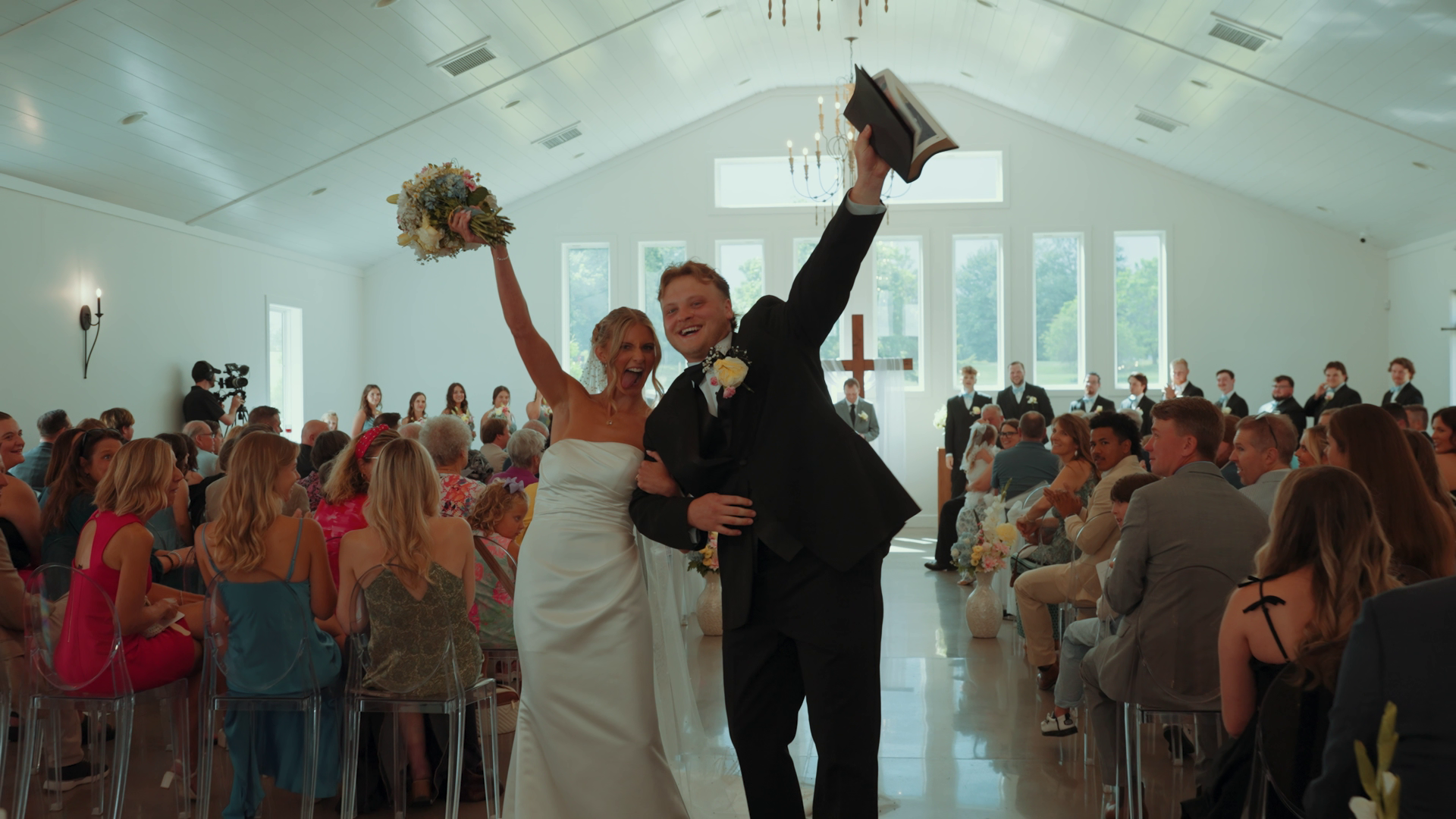
“Turn the Sound On”: Why Audio Is the Secret Weapon of an Emotional Wedding Film
If you want a wedding film that hits you in the chest every time you press play, don’t just look at the visuals—listen. Clean vows, real laughs, and those tiny in-between moments are what turn a “nice video” into a story you can feel all over again.
If you’ve ever watched a wedding film that gave you chills, odds are it wasn’t just the slow-motion shots or the pretty sunset. It was the sound.
The shaky laugh in a vow. The way someone’s voice cracks mid-sentence. The crowd’s reaction when the couple finally kisses. Audio is the difference between “that looked nice” and “I felt like I was there.”
Pretty video gets likes. Great audio gets tears.
Most couples think wedding video is all about cameras, lenses, and drone shots. Those matter, sure. But what makes a film emotional is the story — and story lives in words, tone, pacing, and real moments.
Audio does three big things:
It makes the film personal. Your voices are yours. Nobody else’s vows sound like yours.
It creates emotional build. Music helps, but real spoken words hit different.
It brings back the day exactly how it felt. Not just how it looked.
The 3 types of audio that make wedding films hit hard
1) Vows (the obvious one — but most people underestimate them)
Vows are the backbone of a story-driven film. They give your film a “spine” that editors can build around.
Pro tip: don’t worry about being perfect. The little pauses, laughs, and “I’m nervous” moments are what make it real.
2) Speeches and toasts (the surprise MVP)
Speeches are where the personality comes out — inside jokes, childhood stories, the stuff you’ll never remember word-for-word later.
Even if you don’t want a full “speeches edit,” having clean audio from toasts gives your film options:
A powerful voiceover moment
A funny break in the middle of an emotional sequence
A meaningful line that becomes the theme of the whole film
3) Ambient sound (the secret sauce)
This is the stuff you don’t think about until it’s gone:
The crowd cheering
The little sniffles during vows
The clinking glasses
Your dress moving when you walk
The “you ready?” right before you step out
Ambient sound makes the film feel alive — not like a music video.
“But won’t the DJ audio be enough?”
Sometimes. But DJ feeds can be unreliable, and they don’t capture the intimate stuff.
A clean wedding film usually needs a mix of:
Lav mics (tiny microphones on the couple/officiant)
Recorders (backup audio sources)
Camera audio (for natural room sound)
DJ feed (when it’s available and clean)
The goal isn’t “one perfect source.” The goal is multiple layers of audio so nothing important gets missed.
What can mess up wedding audio (and how to avoid it)
Here are the common problems that can wreck audio — and what you can do about them.
Wind (outdoor ceremonies): Choose a videographer who uses proper wind protection and backup mics.
Officiant won’t wear a mic: Ask ahead of time. A good team will have a respectful, low-drama way to handle it.
DJ doesn’t have an output: Happens more than you’d think. Backups matter.
Echo-y churches: Lav mics and smart placement are key.
Last-minute timeline chaos: If vows/speeches get rushed, audio setup gets rushed. A solid timeline helps.
The easiest way to get better audio: plan for it
You don’t need to become an audio engineer. Just plan for the moments that matter.
Here’s a simple checklist:
Tell your officiant you’ll be mic’d (and ask if they’re okay being mic’d too)
Make sure speeches happen in a spot where people can actually hear
Avoid loud prep rooms if you want letter readings or private vows
Build in 5 minutes before ceremony start so the video team can mic everyone calmly
What “mic’d all day” really means (and why it matters)
When a team takes audio seriously, they’re not just showing up with a camera and hoping for the best. They’re capturing the story as it happens.
That means:
You don’t lose the real moments because someone was too far away
Your vows sound clean and intimate
Your film feels like a memory, not a montage
Final thought: if you want an emotional film, protect the audio
If you’re investing in a wedding film because you want to feel your day again, audio isn’t optional — it’s the whole game.
So yeah… turn the sound on.
If you want, tell me your typical package structure (highlight vs featurette) and I’ll add a short section that helps couples choose the right option based on how much audio/story they want.
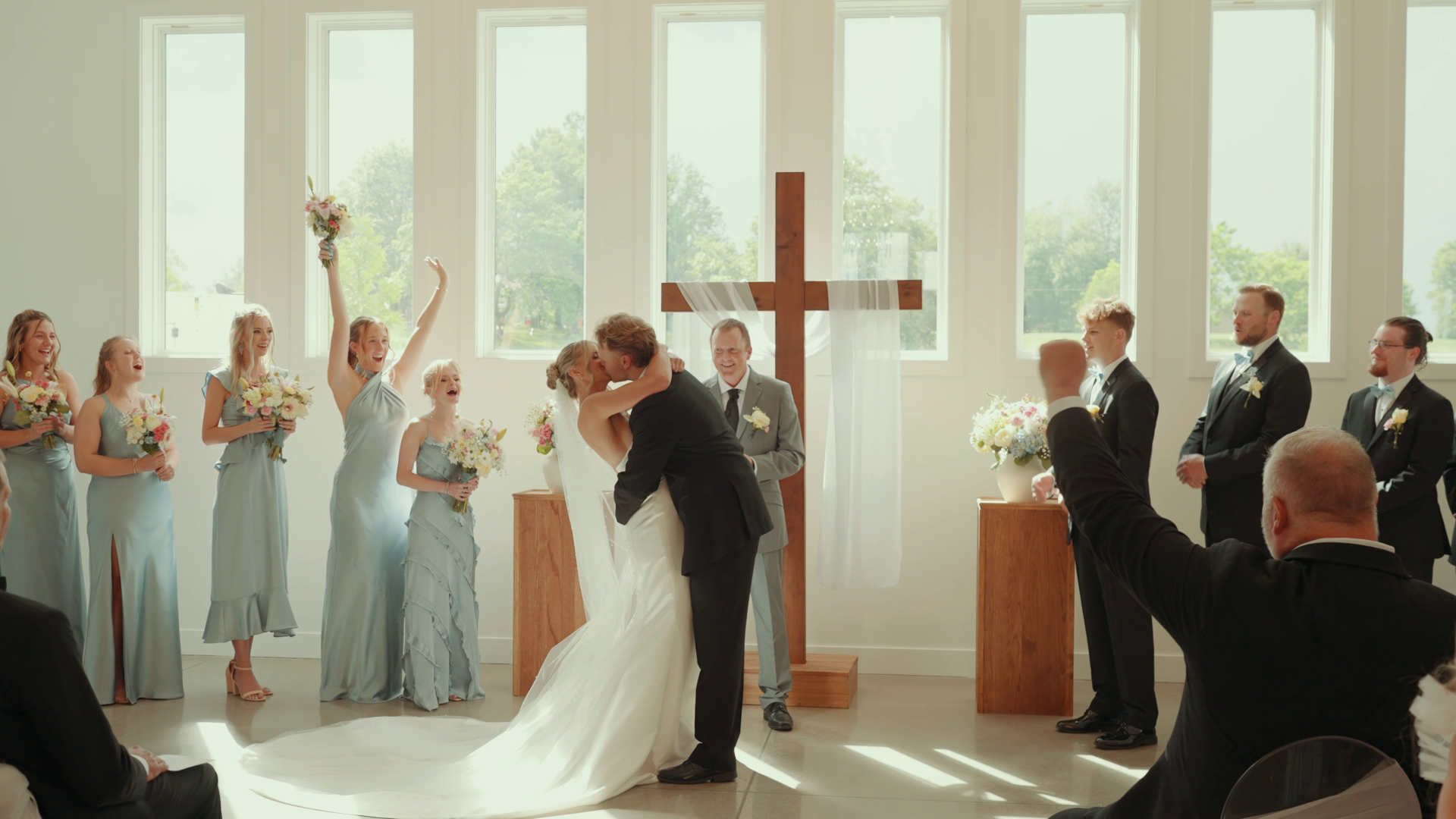
A Realistic Wedding Day Timeline (That Makes Your Film Look Better)
A good timeline doesn’t just keep your day on track—it makes your wedding film feel calmer, more emotional, and way more cinematic. Here’s a realistic wedding day timeline that gives your story room to breathe.
Let’s be real: your timeline isn’t just about staying “on schedule.” It’s the difference between a wedding film that feels calm, emotional, and cinematic… and a film that feels rushed.
This isn’t about perfection. It’s about giving your day room to breathe.
The biggest timeline mistake I see
Couples pack the day so tight that there’s no margin.
No buffer means:
you’re stressed
vendors are sprinting
moments get skipped
audio gets messy
And the camera can’t capture what never happens.
A timeline that actually works (example)
Here’s a sample structure that tends to film beautifully. Adjust it to your day, but keep the spacing.
Getting ready (2–3 hours)
letters/vows read (quiet space)
details (dress, rings, invitations)
real moments with friends/family
First look + portraits (60–90 minutes)
private moment
couples portraits
wedding party
Ceremony (30–60 minutes)
plan for mic placement
confirm DJ/officiant audio
Cocktail hour (60 minutes)
perfect time for candid reactions
quick golden hour shots if the light is right
Reception (3–4 hours)
entrances
toasts (give them time)
dances
open dancing
Pro tips that make your film instantly better
Do your vow/letter reading somewhere quiet. Bathrooms and hallways are not it.
Build in 10–15 minute buffers. You won’t regret it.
Golden hour is undefeated. If we can sneak away for 8 minutes, your film will thank you.
Tell your DJ the audio matters. Toasts without clean audio are heartbreak.
Why this matters for storytelling
A great wedding film isn’t just “pretty shots.” It’s pacing, emotion, and real moments.
When your day has breathing room, you get:
more genuine reactions
better audio
calmer energy
more cinematic light
Want help building your timeline?
If you’re booking Foree Films, I’ll help you map a timeline that works for your venue, your light, and your priorities—so your film feels like a story, not a scramble.
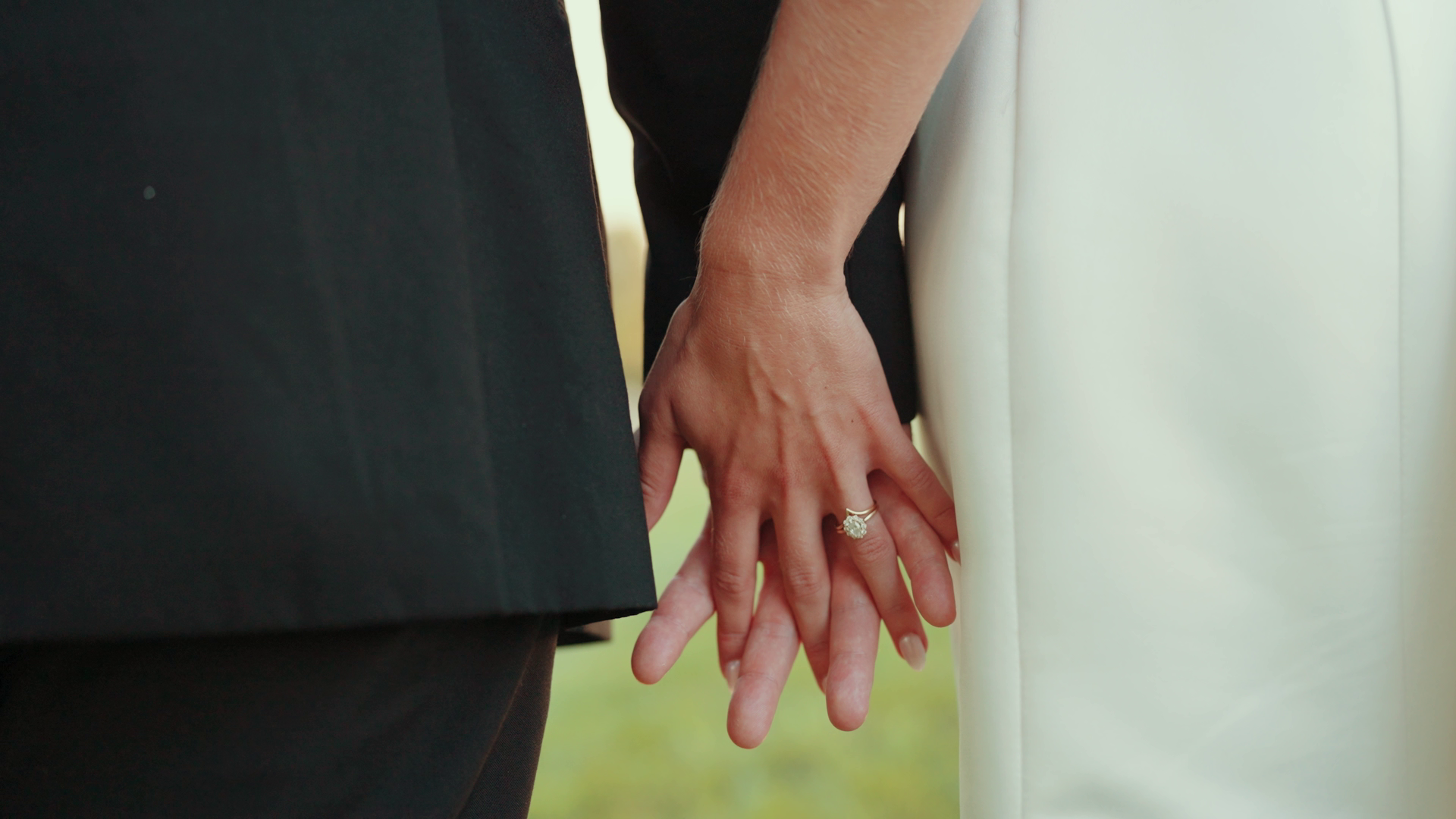
The #1 Thing Couples Forget When Booking a Wedding Videographer (And It Changes Everything)
Most couples book video last—then realize the one thing they’ll miss most isn’t the visuals… it’s the voices. Here’s what to ask before you book so your wedding film actually lets you relive the day.
You’re comparing packages, scrolling Instagram, asking friends for recommendations… and somehow the videographer ends up being one of the last vendors you book. I get it—photos feel “required,” and video can feel like a “nice-to-have.”
But here’s the truth: your wedding film isn’t just a highlight reel—it’s the only way you’ll hear your voices again. The shaky laugh during vows. The way your people sound when they toast you. The little “are you good?” whisper right before you walk down the aisle.
Why “sound” is the secret sauce
Most couples don’t realize how much of their day is audio-driven until it’s gone.
Vows
Letters
Toasts
Prayer/blessing
The random one-liners that make your day your day
A film with clean audio doesn’t just show the moment—it brings you back into it.
What to ask before you book anyone
If you’re shopping videographers, ask these questions (and listen closely to the answers):
How do you capture audio? (Do they mic both of you? Do they rely on the DJ feed only?)
Do you record audio all day or only during the ceremony?
Do you have backup audio? (Because tech fails. Pros plan for it.)
How do you handle noisy venues and wind?
The “last vendor booked” problem
Videographers book up fast—especially the ones who are truly story-first.
If you wait too long, you’ll either:
settle for someone whose style doesn’t match your vibe, or
pay more for what you wanted in the first place, or
miss out entirely
How we do it at Foree Films
My approach is simple: story first, always.
We mic the bride and groom (yes, all day)
We capture moments before and after the ceremony—not just the “main events”
We film in a way that helps you feel comfortable, not “performed”
If you’re planning right now…
If you want a film that feels like you—not a cookie-cutter montage—reach out early. Even if you’re still picking a venue or finalizing your date, I can help you think through what coverage actually makes sense.
Want to see what story-driven wedding films look like? Contact Foree Films and I’ll send a few examples based on your vibe.
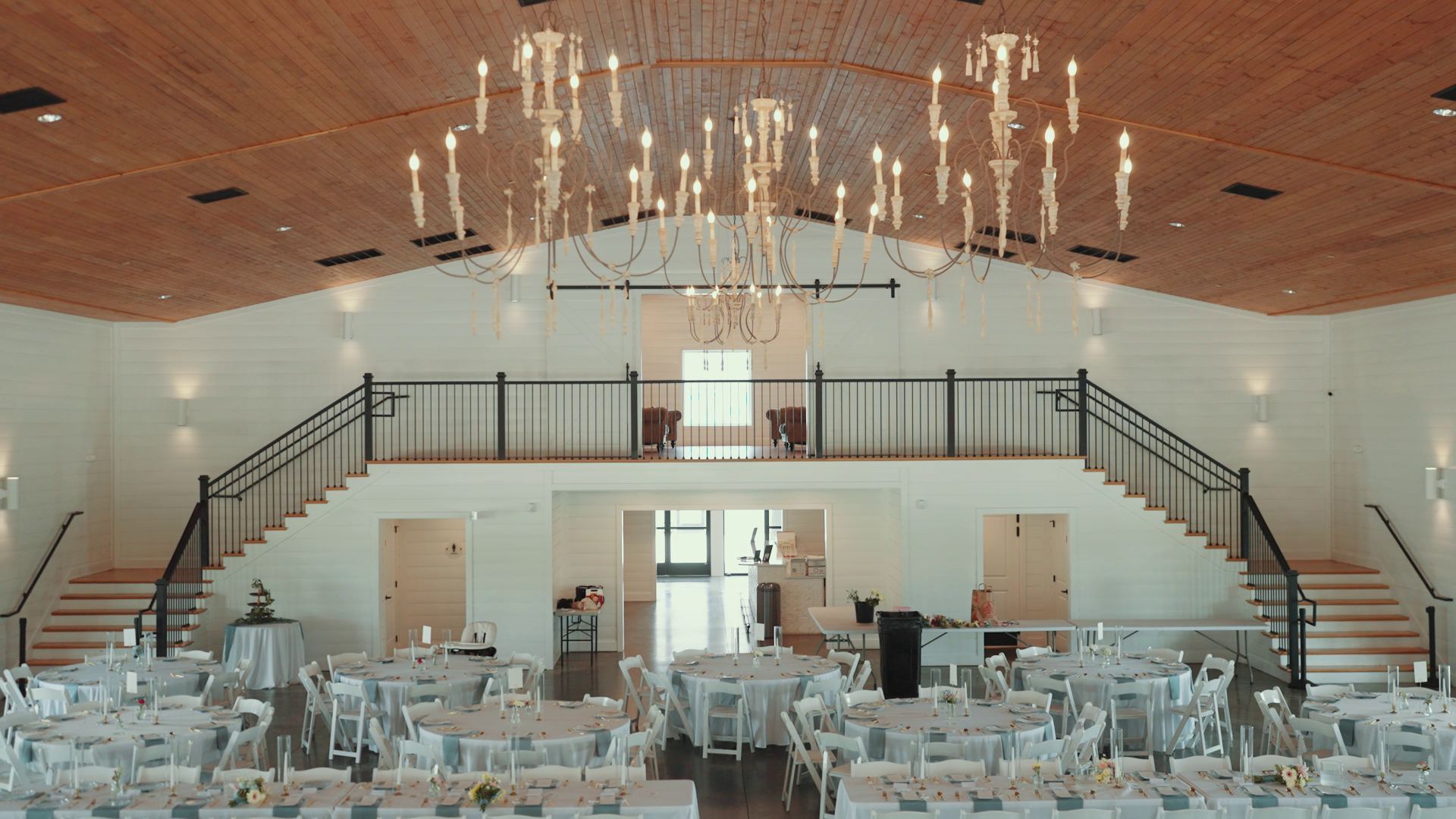
Wedding Film vs. Wedding Video: What You’re Actually Paying For
Not all wedding video is the same. If you’re comparing prices, here’s the real difference between a wedding “video” and a story-driven wedding “film”—and what you’re actually paying for.
If you’ve ever thought, “Why is wedding videography so expensive?”—you’re not alone.
But here’s the key: not all video is the same. There’s a difference between a wedding video and a wedding film.
A wedding video documents the day
A traditional wedding video is usually:
straightforward coverage
minimal storytelling
simple edits
limited audio design
It can still be valuable—but it’s mostly documentation.
A wedding film tells the story
A wedding film is built like a short movie:
intentional pacing
emotional structure
clean, layered audio (vows + speeches + natural sound)
color grading and cinematic finishing
music licensing and sound design
It’s not just “what happened.” It’s how it felt.
What goes into a film (behind the scenes)
When you hire a story-driven filmmaker, you’re paying for:
Planning (timeline, shot planning, logistics)
Professional gear (cameras, lenses, audio, lighting, backups)
Experience under pressure (because weddings move fast)
Editing time (often 20–60+ hours depending on deliverables)
Storytelling skill (what to include, what to leave out, how to build emotion)
The audio difference is massive
This is where couples feel the difference immediately.
If you want to hear:
your vows clearly
your partner’s voice
your parents’ toast
the crowd reaction
…you need someone who treats audio like the main character.
How to choose what’s right for you
Ask yourself:
Do we want to remember the day… or relive it?
Do we care about hearing our voices?
Do we want something cinematic or purely documentary?
There’s no wrong answer. But you should know what you’re buying.
If you want the “relive it” version
That’s what we do at Foree Films. Story-driven, audio-first, and built around your vibe.
Reach out and tell me your date + venue, and I’ll recommend the best fit for coverage.
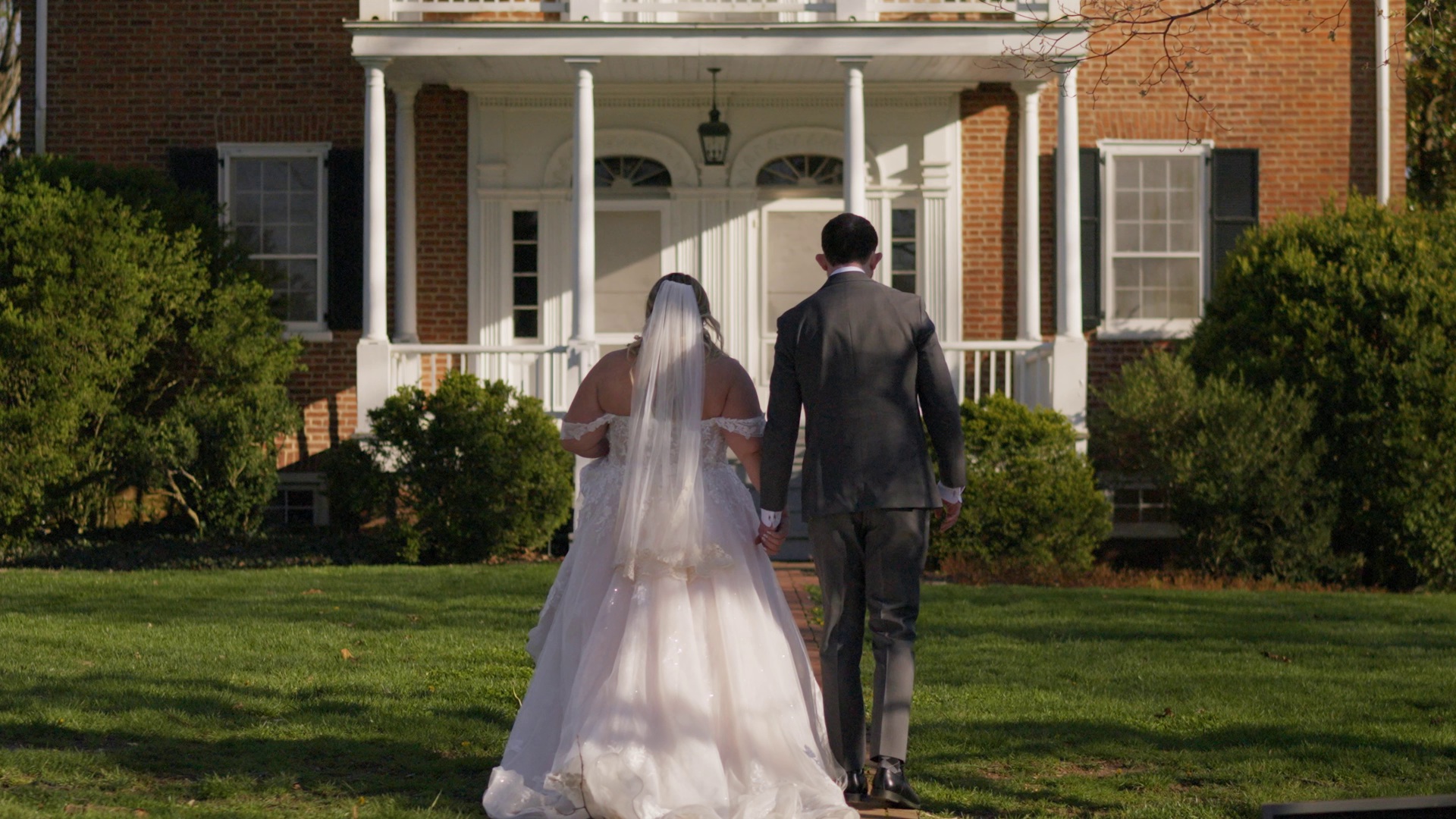
The Story-First Wedding Film: How Pro Audio, Real Moments, and Intentional Editing Turn Your Day Into a Movie
Most wedding videos look nice. A story-first wedding film feels like you’re reliving the day — not just watching highlights. That difference comes down to three things most couples don’t hear about until it’s too late: pro audio, real in-between moments, and intentional editing. When your vows, speeches, and the quiet “you good?” right before the doors open are captured clearly, your film stops being a recap and starts feeling like a movie—built around your words, your energy, and your story.
Most wedding videos look nice. A story-first wedding film feels like you’re reliving the day — not just watching highlights.
At Foree Films, the goal isn’t “pretty shots.” It’s capturing the real moments, the real voices, and the real energy… then shaping it into a film that feels like you.
What “story-first” actually means
A story-first film is built around emotion and meaning, not just a timeline.
Instead of only showing:
Dress details
Slow-motion portraits
A montage of the reception
We’re also listening for the moments that make your day yours:
The shaky laugh before you walk down the aisle
That one line in a vow that hits everyone in the chest
The quiet “you good?” right before the doors open
Those are the moments that turn a wedding film into a personal story.
Pro audio is the secret weapon (and most people skip it)
Here’s the truth: you can forgive a shaky shot. You can’t forgive bad audio.
When you can clearly hear what’s being said — vows, prayers, speeches, little side comments — your film instantly becomes more emotional and more immersive.
That’s why we mic the bride and groom throughout the day and prioritize clean audio capture before, during, and after the ceremony.
Good audio lets us:
Build your film around your actual words
Layer in reactions and real-time moments
Make the story feel natural instead of forced
Real moments beat perfect poses
A wedding day is already cinematic. We don’t need to manufacture it.
Some of the most powerful clips aren’t staged:
The way your hands lock when you’re nervous
The look your mom gives you when she thinks no one’s watching
Your friends losing it during toasts
A story-first approach means we’re always watching for the in-between moments — because that’s where the truth lives.
Intentional editing: where your film becomes “a movie”
Editing is where everything comes together.
A story-first edit isn’t just “best clips in order.” It’s pacing, structure, and emotional build.
We’re making decisions like:
What moment should open the film to pull you in immediately?
Which audio lines tell the clearest story of who you are?
When should the music lift… and when should it disappear so you can hear the room?
The goal is a film that feels modern, emotional, and high-energy — but still true to your vibe.
What you should ask any wedding videographer before booking
If you want a film that feels like a story (not just a recap), ask these questions:
How do you capture audio? (If they don’t talk about mics, that’s a red flag.)
Do you build the film around vows/speeches? This is usually the difference between “highlight reel” and “story.”
How do you approach candid moments? You want someone who can document without interrupting.
How do you tailor the edit to the couple’s vibe? One-size-fits-all edits feel generic fast.
The bottom line
If you’re investing in wedding video, don’t just ask for “cinematic.” Ask for story.
Because years from now, it won’t be the drone shot you replay the most.
It’ll be the way your voice sounded when you said the words.
Want a wedding film that feels like you?
If you’re into story-driven films with clean audio, real moments, and an edit that matches your energy, reach out through ForeeFilms.com and let’s see if your date is open.
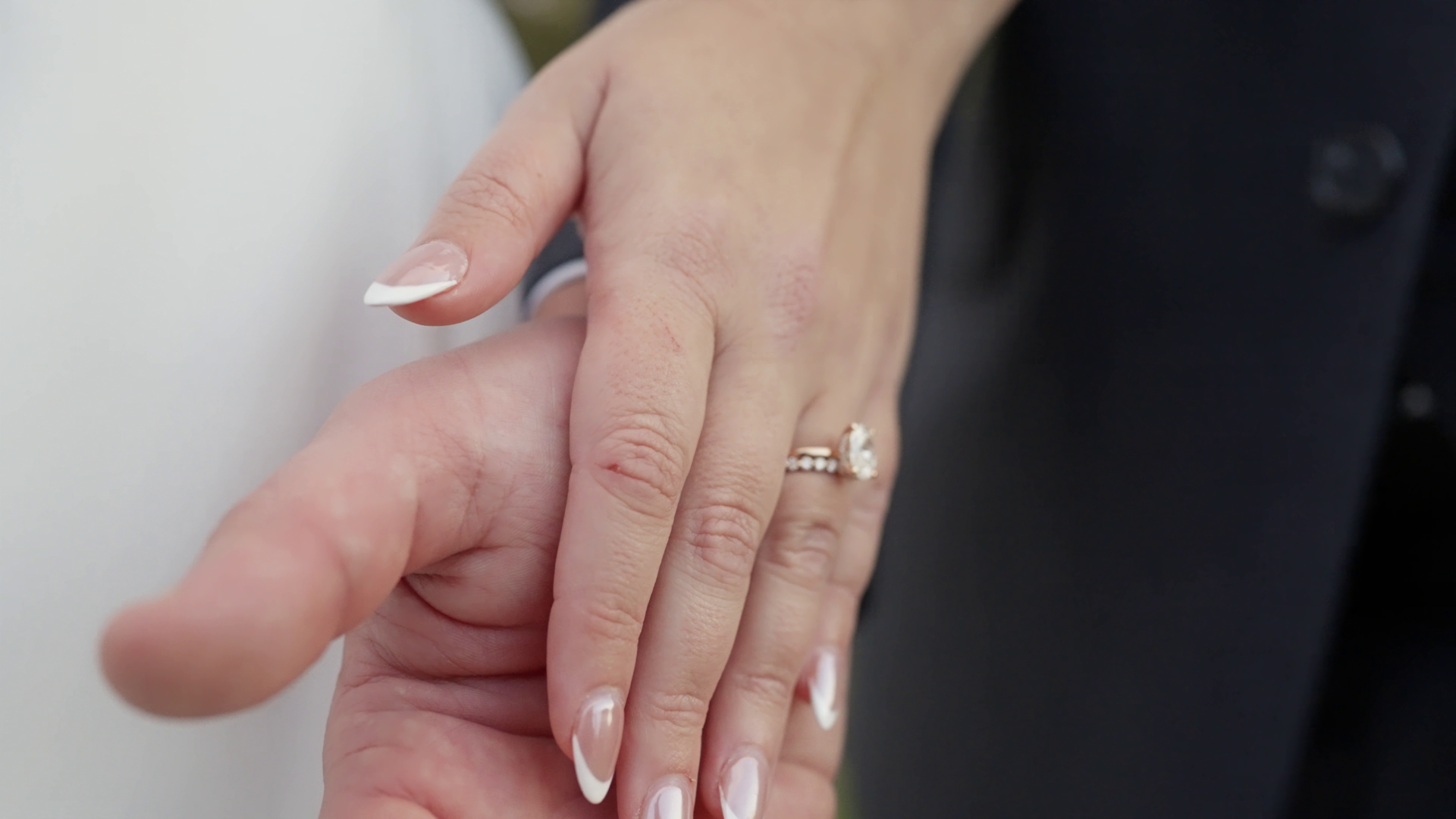
From Inquiry to ‘I Do’: A Wedding Videographer’s Lead-Response System That Books More Couples (Without Feeling Salesy)
Most couples don’t book the “best” wedding videographer—they book the one who makes the decision feel easiest. This lead-response system helps you reply fast without sounding salesy, clearly communicate what makes you different (before you ever talk price), and guide couples into a quick call with low-friction next steps. If you’ve got inquiries coming in but bookings feel inconsistent, this is the simple structure that turns “just checking availability” into paid dates on your calendar.
Why speed + clarity wins (even more than “perfect” words)
Most couples aren’t comparing 20 videographers. They’re comparing the 3–5 who made them feel seen the fastest. Your goal isn’t to “close” them—it’s to remove uncertainty.
A strong lead-response system does three things:
Confirms you’re available (or not) quickly
Shows what working with you feels like
Gives a clear next step that’s easy to say yes to
Step 1: Reply fast with a 3-part message
Aim for a reply within a few hours (same day at worst). Use this structure:
Warmth: thank them + mirror their vibe
Clarity: confirm date/venue coverage + what you specialize in
Next step: link to a quick call
Example:
“Preciate you reaching out—congrats!! When’s the date + where are y’all getting married?”
“I’m story-first and I mic you up so your film sounds like it felt.”
“If you’re down, here’s a quick link to hop on a 20-30 min call.”
Step 2: Don’t dump prices—anchor value first
If you lead with numbers, you train them to shop you like a commodity. Instead:
Share packages (what’s included) before price details
Use 2–3 bullets that highlight what makes you different
Try:
“Most couples choose between a Highlight or Featurette depending on how much of the day they want captured.”
“Either way: pro audio all day, multiple cameras, and a film that’s built around your story—not trends.”
Step 3: Use a “micro-commitment” CTA
Big asks create friction. Small asks create momentum.
Low-friction CTAs:
“Want me to send over the package guide?”
“You want a quick call today or tomorrow?”
“What matters most to y’all: vows, speeches, or the party?”
Step 4: Follow up like a human (not a robot)
Most bookings happen after follow-up #2 or #3. Keep it short, specific, and helpful.
Follow-up schedule:
24 hours: “Just making sure you got the info—any questions?”
3 days: send one helpful tip (timeline, audio, first look, etc.)
7 days: “Still interested or did you lock someone in?”
Step 5: Track the 5 numbers that actually matter
You don’t need a fancy dashboard. Just track:
Leads per week
Response time
Consults booked
Booking rate
Average booking value
If your leads are solid but consults are low, your CTA is the issue. If consults are high but bookings are low, your call structure or offer clarity needs work.
Quick checklist (save this)
Reply same day
Ask 1–2 questions that show you care
Confirm availability
Share your “why you” bullets
Offer a simple next step
Follow up 3 times max, human-style
Closing thought
You don’t need to be pushy. You need to be clear. Couples don’t book the “best” videographer—they book the one that feels like the safest, easiest yes.
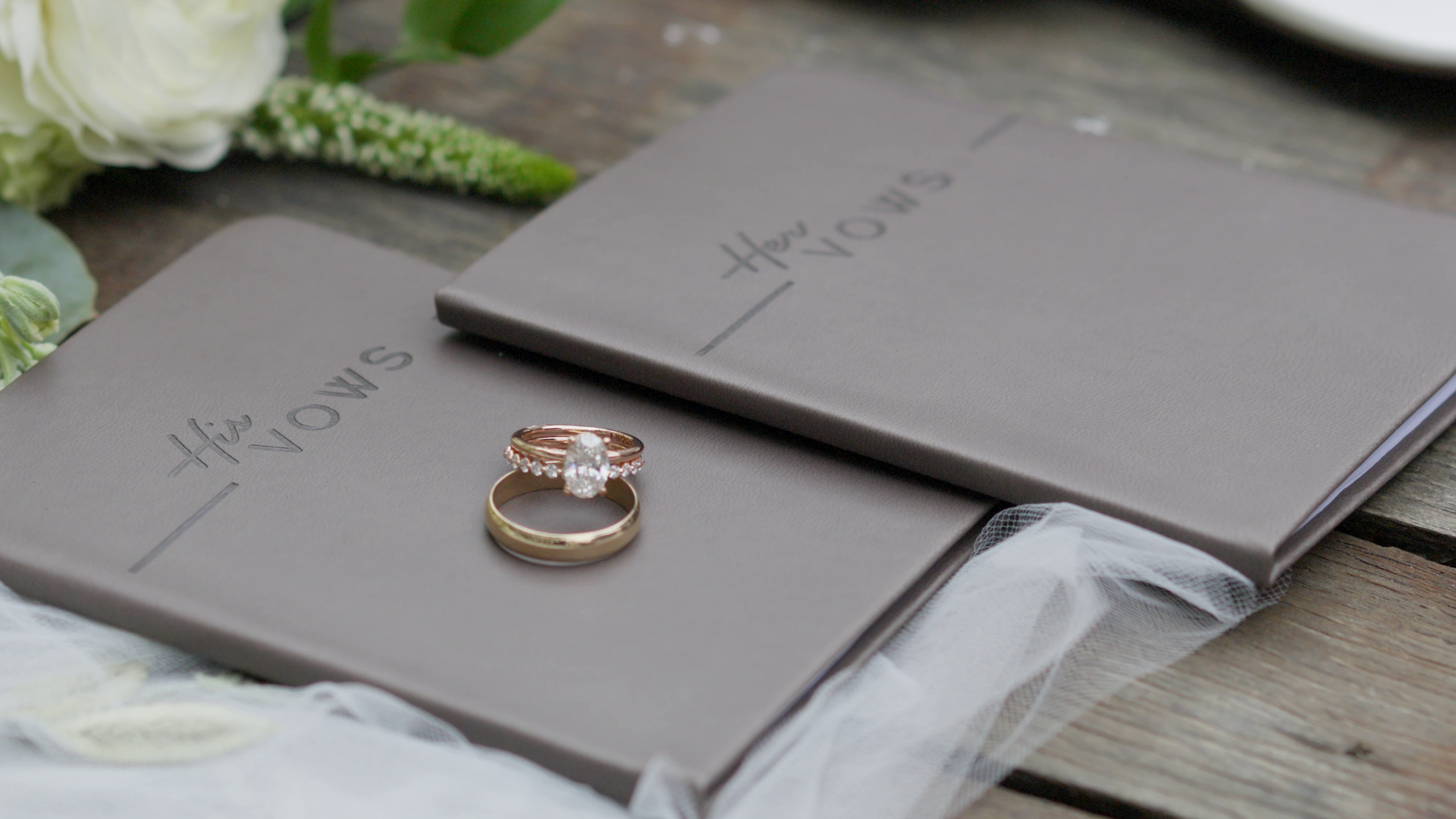
Why Our Wedding Films Feel Different: The Foree Films Process for Capturing Real Emotion + Real Audio
You can have the prettiest wedding day ever—and still end up with a film that feels like random clips. At Foree Films, we build everything around story first, because the goal isn’t just to show what happened—it’s to capture what it felt like. That’s why we prioritize real audio all day (vows, speeches, letters, ceremony sound, and the in-between moments you didn’t even notice). With intentional multi-camera coverage and editing built for emotional pacing, your film won’t feel like a template—it’ll feel like your day, with the voices and moments that actually make it hit.
You can have the prettiest wedding day ever—and still end up with a film that feels like a highlight reel of random clips.
At Foree Films, we build wedding films around story first. That means we’re not just filming what happened—we’re capturing what it felt like. And the fastest way to make a wedding film feel real is simple: real audio + real moments + intentional coverage.
Below is exactly how we do it.
1) We start with story, not trends
Trends are fun, but they don’t hold up like real emotion.
When we plan your coverage, we’re listening for the pieces that make your day yours:
The way you talk about each other
The people who matter most
The moments you’re most excited for (and the ones you’re nervous about)
The vibe you want—cinematic, high-energy, laid-back, classic, or all of the above
That story-first mindset is what keeps your film from feeling generic.
2) We prioritize audio all day (because that’s where the emotion lives)
Most couples don’t realize this until they see it: audio is the heartbeat of a wedding film.
We mic up and capture clean sound so you can actually hear the moments that matter:
Vows (the real ones, not the “kind of” ones)
Speeches and toasts
Letters / private reads
Ceremony audio
The little in-between moments you didn’t know we caught
When you hear your voices, your people, and your reactions—that’s when the film hits.
3) We film with intention (multiple angles, real coverage)
Pretty shots are great. But we’re not gambling on one camera angle and hoping for the best.
We build coverage so your story is protected:
Multiple cameras for key moments
A focus on reactions (not just the “main event”)
Smart positioning so we’re not in the way—but we’re not missing anything either
The goal is simple: you get to be present, and we’ll handle the capture.
4) We capture the moments before and after the “big moments”
A lot of wedding films only show the ceremony kiss and the dance floor.
We love those moments—but the magic is often right around them:
The breath before you walk down the aisle
The squeeze of the hand during vows
The laugh right after the ceremony ends
The way your friends lose their minds during introductions
Those are the details that make your film feel like your day.
5) We edit for feeling (not just a timeline)
A wedding film doesn’t have to show every moment in order to be complete.
We craft your film like a story:
We build emotional pacing (so it doesn’t feel rushed or random)
We use audio to guide the narrative
We match the edit to your vibe—romantic, fun, high-energy, or more cinematic and moody
The end result is a film that feels like you—not a template.
6) We keep the process clear and supportive
We’re big on being easy to work with. You’ve got enough going on.
Here’s what you can expect from us:
Clear communication and next steps
A calm, professional presence on the wedding day
A focus on making you feel comfortable on camera
A delivery process that’s straightforward (no confusion, no chasing)
If you’re looking for a wedding film that sounds like it felt—we’re your people
f you want a film that captures the real stuff—the voices, the emotion, the energy—that’s what we do.
If you’re ready, reach out with your date + venue and we’ll confirm availability and send the package guide.
Preciate you for being here.
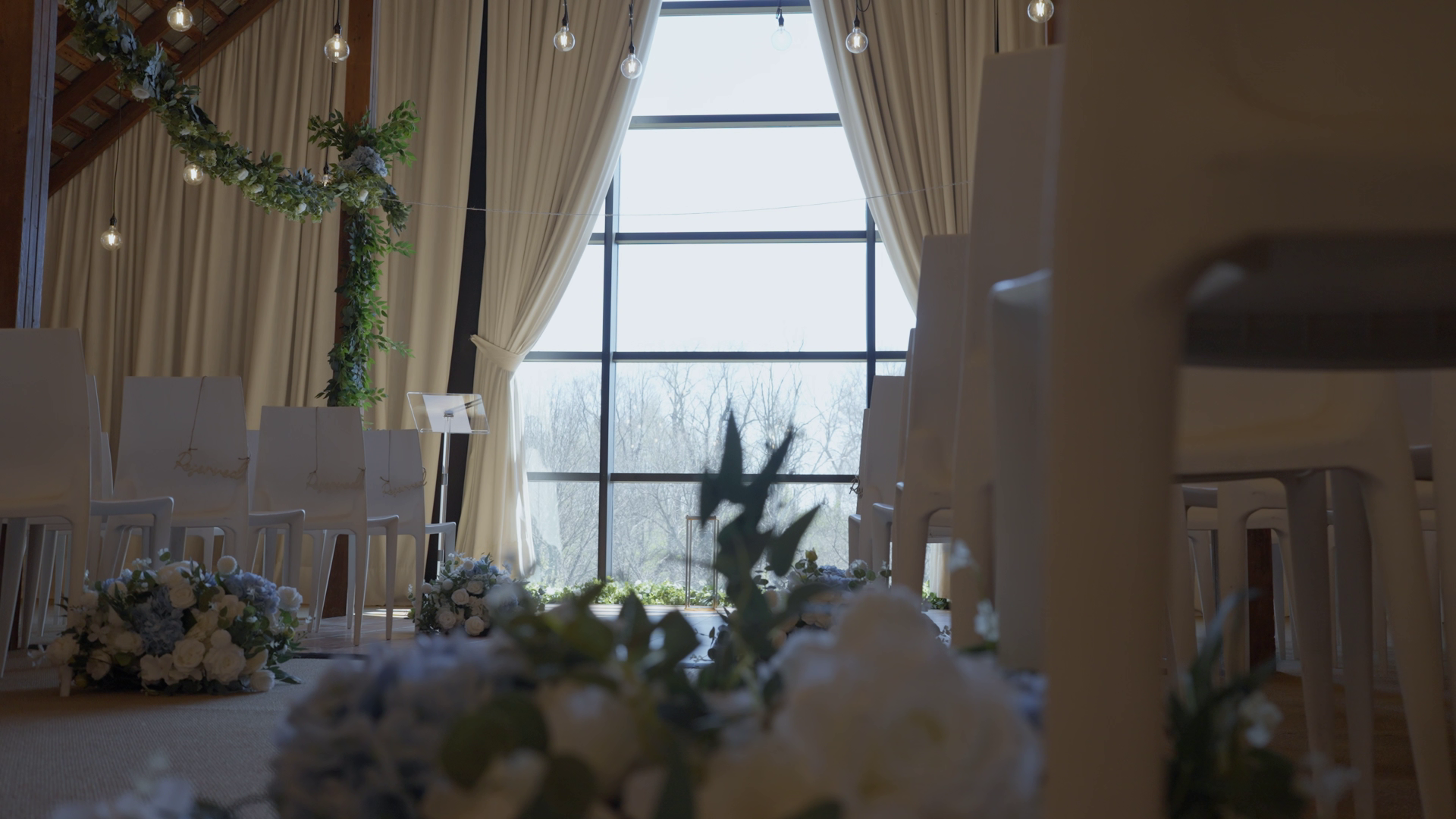
From ‘Highlight Reel’ to ‘Your Story’: What Makes a Wedding Film Feel Real (Not Generic)
A highlight reel can look amazing… and still feel like it could belong to anyone. The difference between “pretty footage” and a film that feels real comes down to story: clear vows and speeches you can actually hear, candid in-between moments, and an edit with structure—not just clips in order. When your videographer builds the day around audio + emotion (not templates), your wedding film stops being a montage and starts feeling like your story.
A highlight reel is cool. It’s fast, pretty, and gets the job done.
But if you’ve ever watched a wedding video and thought, That could be literally anyone, you already know the problem: it’s not a story ‘ it’s a montage.
A wedding film that feels real has personality. It has voice. It has moments that only belong to you.
Here’s what actually separates a generic highlight reel from a film that feels like your story.
1) Real audio (not just a song doing all the emotional work)
Music can set a mood, but it can’t replace the words.
Generic films lean on:
One trendy track
Pretty visuals
Quick cuts
Story-driven films lean on:
Vows you can clearly hear
Speeches that make people laugh/cry
The room reacting in real time
The little candid lines that happen when nobody’s performing
If you want a film that feels personal, ask your videographer how they capture and prioritize audio. It’s the foundation.
2) Candid moments > perfect posing
The best stuff usually happens in the in-between:
The nervous hands
The deep breath
The “we’re really doing this” look
The hug that lasts a second longer than normal
A film feels real when it includes moments you didn’t even realize were happening ‘because that’s what you’ll miss most later.
3) An edit that has structure (not just “best clips in order”)
A highlight reel is often chronological: prep - ceremony - portraits - reception.
A story-driven film is shaped.
That means decisions like:
What's the opening line that hooks you instantly?
What audio line becomes the theme of the whole day?
When do we slow down and let a moment breathe?
When do we crank the energy and let the party feel like the party?
That structure is what makes your film feel like a movie, not a recap.
4) Details that match your vibe (not a template)
Two couples can get married at the same venue and have completely different energy.
A film feels generic when it ignores that.
A film feels real when it reflects:
Your personalities (goofy, quiet, hype, sentimental, all of it)
Your people (the relationships that matter)
Your pacing (slow and emotional vs. high-energy and wild)
Your story (how you got here)
That's why the best wedding films don't look identical - even if the shot list is similar.
5) Coverage that's built for storytelling
This is the part couples don't think about until it's too late: some timelines don't leave room for story.
If you want a film that feels personal, you need space for:
Real reactions
Unrushed moments
Audio capture that isn't chaotic
Time for your people to actually be with you
A good videographer will help you build a timeline that supports the film you want, not just the schedule you're handed.
The bottom line
A highlight reel shows what happened.
A story-driven film reminds you what it felt like.
If you want a wedding film that sounds real, feels personal, and matches your energy, reach out through ForeeFilms.com and let's see if your date is open.
What to Include in a Wedding Detail Box for Your Videographer (Flat Lay + Storytelling Shots)
Your wedding film isn’t just the ceremony and the party — it’s the story. And that story starts with the little things: the invitation suite, rings, vows, heirlooms, and the textures you chose on purpose. A simple wedding detail box keeps everything in one place so your videographer can capture clean, cinematic flat lays and meaningful storytelling shots—without hunting around the room or interrupting the moment.
Your wedding film isn’t just the ceremony and the party — it’s the story. And the story starts with the little things: the details you picked on purpose, the heirlooms you didn’t even realize mattered, and the textures/colors that set the vibe.
A wedding detail box is simply a small box (or bag) you prep ahead of time with the items you want filmed and photographed during the “getting ready” portion of the day. It saves time, keeps things from getting lost, and helps your videographer capture clean, cinematic flat lays and storytelling shots.
Why a detail box matters (for video)
When we’re filming, we’re not only grabbing pretty shots — we’re building transitions and emotional beats.
A good detail box helps us:
Start your film with intentional “scene setting”
Capture your style (classic, modern, moody, romantic, etc.)
Get clean flat lay shots without hunting around the room
Film meaningful items before they get worn, wrinkled, or misplaced
Tie your vows, letters, and heirlooms into the story
The “must-have” detail box checklist
If you only include one section from this post, make it this one.
1) Invitation suite (if you have it)
Bring at least one full set:
Invitation
RSVP card
Details card
Envelope(s) with stamps
Any custom wax seals
Pro tip: If you can spare two full sets, even better — one can get styled while the other stays pristine.
2) Rings (all of them)
Engagement ring
Wedding bands
Ring box (if you have a nice one)
If your ring box is… not cute, no stress. A simple velvet box photographs beautifully.
3) Vows + letters (the emotional heavy hitters)
These are gold for storytelling shots.
Personal vows (his + hers / partner 1 + partner 2)
Letters or cards you’re exchanging
Gift notes
If you’re reading letters privately, tell your videographer so we can plan to capture it without interrupting the moment.
4) Jewelry + accessories
Earrings
Necklace
Bracelet
Watch
Cufflinks
Tie clip
Pocket square
Even if you’re not a “details person,” these items help create quick cinematic cutaways.
5) Perfume / cologne
Your perfume bottle
Partner’s cologne
This sounds small, but it’s a perfect “getting ready” storytelling shot — especially if it’s a signature scent.
6) Something borrowed / something blue / heirlooms
This is where your film gets personal.
Grandma’s handkerchief
A locket with a photo
A family Bible
A rosary
A charm on the bouquet
A patch inside the suit jacket
If there’s a story behind it, tell us. We’ll film it differently when we know what it means.
7) Shoes
Bride’s shoes
Groom’s shoes
Clean them up the night before (quick wipe) so they look fresh on camera.
8) The dress details (without moving the dress)
You don’t need to stuff the dress in the box — but you can include:
Dress hanger (especially if it’s personalized)
Veil
Hairpiece
Extra buttons
9) Florals (if possible)
If your florist can deliver a loose stem or a small bundle early, it helps a ton for styling flat lays.
A few extra blooms
Greenery
No extras? Totally fine — we can still make it work.
Bonus items that make your flat lay look next-level
These aren’t required, but they add texture and personality:
A handwritten note with your new last name (or wedding date)
A meaningful book or poem
A small framed photo
A ribbon that matches your colors
A vintage ring dish
A custom matchbook (if you have them)
What not to include (or what to avoid)
A few things can slow us down or make the flat lay look messy:
Random clutter (receipts, plastic packaging, hotel key sleeves)
Too many duplicates (10 invitation copies, 6 ring boxes, etc.)
Anything you’ll panic about if it gets moved for 30 seconds
If you’re worried about something being handled, just tell your videographer. We’ll respect it.
How to prep your detail box (so it actually helps)
Keep it simple:
Use a small box or pouch and label it “DETAILS.”
Put it in the getting-ready room before your videographer arrives.
Tell your maid of honor / planner where it is.
If you have heirlooms, add a sticky note with a quick explanation.
Quick FAQ
When should I give this to my videographer?
Ideally: as soon as we arrive while you’re still in hair/makeup. That’s when we can capture everything clean and calm.
What if I don’t have a lot of details?
No problem. A few meaningful pieces (rings, vows, invitation) can still create a cinematic opening.
Can my photographer and videographer share the same detail box?
Yep — and it’s actually best. One organized set keeps everyone moving fast and keeps your timeline stress-free.
Final tip: tell us what matters most
If you have one item that’s deeply meaningful — a note from a parent, a piece of jewelry, a memorial charm — point it out.
Because pretty shots are great… but meaningful shots are what make you cry when you watch your film back.
If you want, tell me your wedding vibe (classic, modern, moody, luxury, backyard, etc.) and I’ll tailor a detail box checklist to match it.
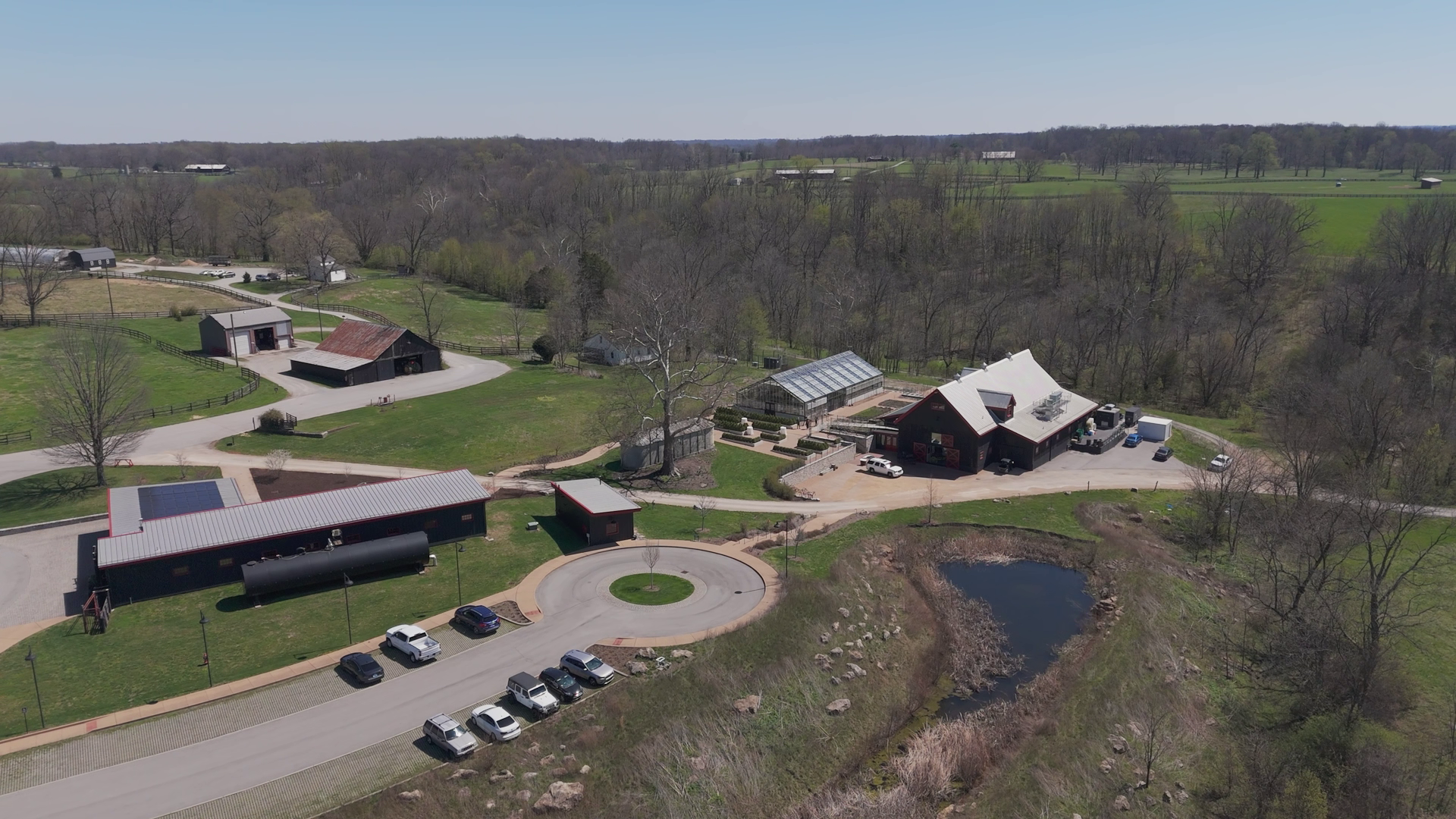
Louisville Commercial Video Production: A Step-by-Step Guide From Planning to Final Edit
Attention is expensive—especially in Louisville. This step-by-step guide breaks down how commercial video production actually works (goal, audience, planning, shoot day, editing, and launch) so you end up with a cinematic video that builds trust and drives real action.
If you’re a Louisville business owner, you already know attention is expensive. A solid commercial video doesn’t just “look nice”—it makes people feel something fast, builds trust, and moves them to take action.
This guide walks you through the full process, step-by-step, from the first idea to the final export—so you know what to plan, what to expect, and how to get a video that actually performs.
Step 1: Get crystal clear on the goal (before you touch a camera)
Every great commercial video starts with one question:
What do you want the viewer to do next?
Common goals:
Book a call
Visit your location
Buy a product
Request a quote
Trust you enough to choose you over “the other guy”
Pick one primary goal. If you try to do five things in one video, you’ll usually do none of them well.
Step 2: Define the audience (and the emotion)
In Louisville, your audience might be:
Local families
Corporate decision-makers
Healthcare professionals
Wedding/event clients expanding into corporate work
Trades and home service customers
But here’s the part most people skip: what should they feel?
Relief (“Finally, someone who can fix this.”)
Confidence (“These people know what they’re doing.”)
Excitement (“I want to be part of this.”)
Belonging (“This brand gets me.”)
Emotion is the shortcut to action.
Step 3: Choose the right video type for the job
Not every business needs a “big commercial.” Pick the format that matches your goal:
Brand film (60–120s): Story-driven, trust-building, great for websites
Testimonial video (30–90s): Social proof that sells without feeling salesy
Product/service promo (15–45s): Fast, punchy, ideal for ads and social
Recruiting video (30–90s): Attract better hires and show culture
Event recap (30–90s): Builds credibility and future demand
If you’re unsure, start with a brand film + a few short cutdowns for social.
Step 4: Write a simple message (script or “talking points”)
You don’t need a Hollywood script. You need clarity.
A clean structure that works for most Louisville commercial videos:
The problem your customer has
Why it matters (what it costs them)
Your solution (what you do differently)
Proof (results, numbers, testimonials, credibility)
Call to action (what to do next)
If you’re doing interviews, swap the script for talking points and let it sound human.
Step 5: Pre-production planning (this is where the “pro” happens)
This is the step that makes production day smooth instead of stressful.
Your pre-production checklist:
Location(s): your shop, office, job site, or a clean neutral space
Schedule: who’s on camera, when, and for how long
Shot list: what we must capture (people, process, product, details)
Wardrobe guidance: avoid tiny patterns, keep it brand-aligned
Sound plan: quiet rooms, mic placement, backup audio
Brand details: logo placement, signage, uniforms, clean spaces
If you want cinematic results, plan for good audio and good lighting—that’s 80% of the “wow.”
Step 6: Production day (how it usually goes)
On shoot day, the goal is to capture:
A-roll: interviews or the main narrative
B-roll: the visual story (hands, tools, faces, movement, environment)
Natural sound: doors, machines, laughter, ambience (it adds realism)
A typical commercial shoot flow:
Quick walkthrough + lighting setup
Interview(s) first while energy is fresh
B-roll of the team working
Detail shots (products, signage, close-ups)
Optional drone shots (if location and regulations allow)
Pro tip: if you’re nervous on camera, you’re normal. The trick is to talk to one person, not “the internet.”
Step 7: Post-production (where the story becomes the sale)
Editing is not just cutting clips—it’s shaping emotion and clarity.
Key post-production steps:
Select the best takes: keep it natural, confident, and concise
Build the story arc: problem → solution → proof → CTA
Music licensing: sets the pace and vibe (and keeps you legal)
Sound design + cleanup: crisp dialogue, balanced levels
Color grading: consistent, cinematic look
Graphics: names/titles, key points, logo, CTA
Versions: horizontal for web/YouTube, vertical for Reels/TikTok
If your video feels “almost there,” it’s usually one of three things: pacing, audio, or clarity.
Step 8: Review + revisions (keep it focused)
A clean review process saves time and keeps the video strong.
Best practices:
Have one point person collect feedback
Focus notes on message, pacing, and accuracy
Avoid “make it pop” notes—be specific (what should change and why)
Most projects go smoother with one solid revision round instead of endless micro-edits.
Step 9: Delivery + launch (don’t waste the asset)
Your video is only as valuable as your distribution.
A simple Louisville-friendly launch plan:
Put it on your homepage (above the fold if possible)
Add it to your Google Business Profile
Post cutdowns on Instagram/Facebook for 2–3 weeks
Send it to your email list
Use it in sales follow-ups (“Here’s a quick 60s overview of what we do.”)
If you’re running ads, build 3–5 short variations with different hooks.
Common mistakes (and how to avoid them)
Trying to say everything: pick one goal, one message
Bad audio: viewers forgive shaky video before they forgive muddy sound
No plan for cutdowns: shoot with vertical and short hooks in mind
No CTA: tell people what to do next
Generic visuals: show real people, real work, real Louisville energy
What it costs (and what actually drives the price)
Commercial video pricing usually depends on:
Number of shoot days
Crew size (solo shooter vs. multi-person team)
Locations and travel
Motion graphics/animation needs
Deliverables (one video vs. a full content pack)
If you want the best ROI, ask for a package that includes one “hero” video + multiple short cutdowns.
Final thought: the best commercial videos feel true
The videos that win aren’t always the flashiest—they’re the ones that feel honest, clear, and human. If your audience can understand you quickly and trust you faster, you’re already ahead.
If you want help planning a Louisville commercial video that feels cinematic and converts, bring your goal and a rough idea—we’ll build the story from there.
How to Choose Wedding Music for Your Film (So It Feels Like You, Not a Template)
Your wedding film isn’t just pretty footage—it’s your story, and the music is what makes it feel like a memory instead of a montage. The fastest way to avoid that “nice… but it could’ve been anyone” vibe is to start with your feeling (romantic, chaotic, moody, cinematic) before you ever pick a genre. Think in chapters—getting ready, vows, portraits, reception—so the soundtrack evolves with the day. And don’t let the track smother the real magic: shaky breaths, laughs mid-vow, crowd reactions, toasts that hit harder than expected. The right licensed music won’t feel like stock—it’ll feel like you.
Your wedding film isn’t just “pretty footage.” It’s your story — and music is the thing that makes it feel like a memory instead of a montage.
If you’ve ever watched a wedding video and thought, “That was nice… but it could’ve been anyone,” it’s usually the music. Not because the song was bad — because it didn’t match the couple.
Here’s how to choose wedding film music that feels personal, emotional, and you.
1) Start with your vibe, not a genre
Before you pick a song, pick a feeling.
Ask yourselves:
Do we want this to feel romantic, fun, cinematic, nostalgic, high-energy, moody, or soft?
Are we more “cry in the vows” or “dance floor chaos”?
If your relationship was a movie, what kind is it?
Once you name the vibe, the music choices get way easier.
2) Think in chapters (not one perfect song)
Most wedding films work best when the music changes with the story.
A simple structure:
Opening / getting ready: calm, intimate, anticipation
Ceremony / vows: emotional, minimal, supportive (not distracting)
Portraits / golden hour: cinematic, romantic, “this is us”
Reception: upbeat, fun, personality-forward
You don’t need one “perfect” track. You need a soundtrack that follows the day.
3) Decide what matters most: lyrics or emotion
Lyrics can be powerful… or they can hijack the story.
A good rule:
If your vows/audio are a big part of the film, go lighter on lyrics.
If you want a music-driven highlight (less talking), lyrics can work great.
Also: if a song’s lyrics don’t fit your relationship, it’ll feel off even if the beat is perfect.
4) Choose music that leaves room for real audio
The most “you” moments are usually not the visuals — they’re the audio.
Think:
the shaky breath before the first look
the laugh mid-vow
the crowd reaction
the toast that hits harder than expected
When music is too big too early, it smothers the real stuff.
If you want your film to feel personal, pick tracks that allow space for:
voiceovers
natural sound
quiet moments
5) Avoid the “wedding stock music” trap
You know the ones:
the same ukulele-clap “happy couple” song
the same cinematic rise into a big drop
the same piano track that screams “generic emotional”
They’re not bad — they’re just overused.
Instead, look for music that has a specific texture:
interesting drums
imperfect vocals
a unique instrument (strings, synths, ambient pads)
a tempo that matches how you actually move and talk
Specific beats template. Specific details feel real.
6) Use references (even if they’re not “wedding songs”)
One of the best things you can do: send your filmmaker references.
Make a short list:
3 songs that feel like you as a couple
1 song that feels like the energy you want (even if it’s not usable)
1 “please don’t use anything like this” example
These references help your filmmaker choose licensed music that matches your taste.
7) Match the music to your venue + season
This is a sneaky one, but it matters.
Examples:
A candlelit, black-tie ballroom often fits classic, cinematic, orchestral vibes.
A backyard wedding might fit warm, acoustic, intimate tracks.
A mountain elopement can lean ambient, expansive, emotional.
The setting is part of your story — let the music reflect it.
8) Trust your filmmaker’s licensing process (and communicate early)
Most wedding films can’t legally use your favorite radio song. That’s why filmmakers use licensed music libraries.
The good news: licensed doesn’t mean boring.
If you tell your filmmaker:
your vibe
your references
what you don’t want
…they can find tracks that feel custom, not cookie-cutter.
Quick checklist: “Does this song feel like us?”
Ask:
Would we listen to this on a road trip?
Does it match how we actually are together?
Does it leave room for vows/toasts?
Does it feel timeless, or trendy?
If someone else used this song, would it still feel like our film?
If the answer is yes, you’re in a great spot.
Final thought
The goal isn’t to pick “the best wedding song.” It’s to pick music that makes you feel something true when you watch your film five, ten, twenty years from now.
If you want, I can help you build a quick “music vibe board” (3–5 reference songs + keywords) you can send your filmmaker so your film feels like you from the first note.
How Movement, Angles, and Timing Create Emotion in Wedding Films
Wedding films become unforgettable through intentional movement, thoughtful camera angles, and perfectly timed moments. From handheld energy on the dance floor to slow cinematic shots during vows, every filmmaking choice shapes how a couple feels when they watch their story back. Learn how movement, angles, and timing work together to create emotional wedding films that feel authentic, cinematic, and timeless.
edding films aren’t emotional because they’re “pretty.” They hit you in the chest because the camera moves with intention, the angles say something, and the timing lets moments breathe.
If you’ve ever watched a wedding film and felt like you were right back in that day—heart racing, laughing, tearing up—this is why.
1) Movement: The camera’s body language
Movement is basically the camera’s tone of voice. It tells your brain how to feel before a single word is spoken.
Slow, controlled movement = intimacy
A gentle push-in during vows feels like leaning closer to hear something personal. A slow slide across a bride’s hands while she’s reading a letter feels like respect—like you’re not interrupting.
Use it for:
Letters and gift exchanges
First look anticipation
Vows and quiet prayer moments
Parent reactions
Handheld movement = real life
Handheld isn’t “shaky.” When it’s done right, it feels human—like you’re in the room, not watching from a distance. It adds urgency and authenticity, especially during high-energy moments.
Use it for:
Dance floor chaos (the good kind)
Big hugs, laughter, and spontaneous moments
Bridal party hype
Fast transitions between locations
Static shots = weight and honesty
Sometimes the best move is no move. A locked-off shot during a heavy moment can feel brave. It says, “This is important enough to just sit with.”
Use it for:
A father seeing his daughter dressed for the first time
A groom trying not to cry (and failing)
A quiet moment alone before the ceremony
2) Angles: What you choose to emphasize
Angles aren’t just “cinematic.” They’re storytelling. They decide who has power, who feels vulnerable, and what the audience should pay attention to.
Eye-level = connection
Eye-level shots feel like friendship. They’re honest and relatable. If you want the viewer to feel like they know the couple, live here.
Great for:
Prep moments with friends
Natural conversation
Walking shots
Candid reactions
Low angles = confidence and celebration
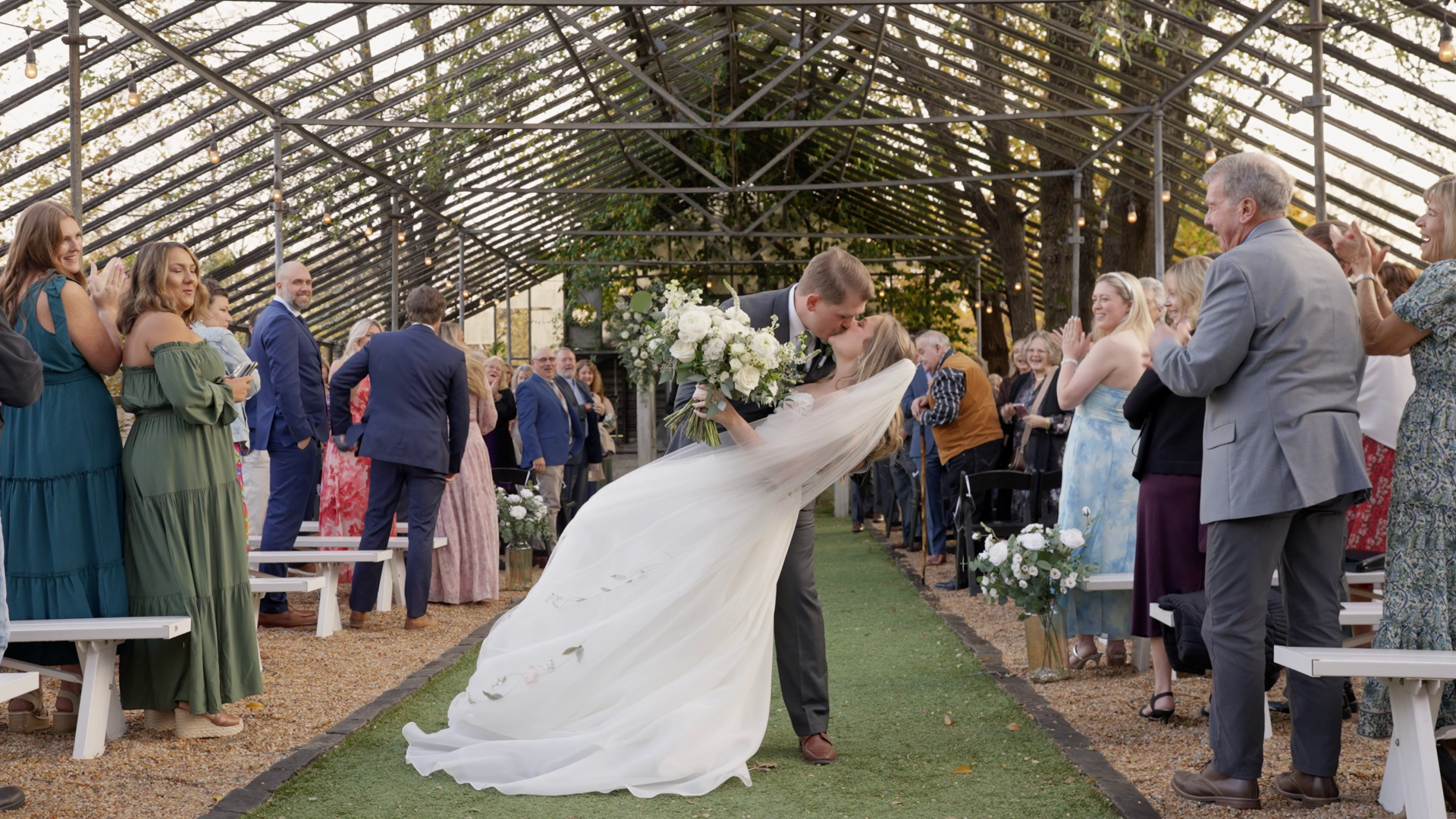
A slight low angle can make a couple feel larger-than-life—like the day is epic (because it is). It’s perfect for entrances, exits, and anything that should feel like a victory lap.
Great for:
Ceremony exit
Grand entrances
Portraits with dramatic light
Sparklers/confetti
High angles = perspective and context
High angles can make a moment feel small in a beautiful way—like “look at this whole world happening around them.” It’s also a clean way to show the scale of a venue or crowd.
Great for:
Venue reveals
Processional moments
Crowd reactions
Dance floor patterns
Tight angles = emotion you can’t fake
Close-ups are where the truth lives: shaky hands, deep breaths, watery eyes, the tiny smile that says “we made it.”
Pro tip: don’t just shoot faces—shoot hands, shoulders, breathing, and the little nervous habits people don’t realize they have.
3) Timing: The difference between “nice” and unforgettable
Timing is where most wedding films either become a highlight reel… or a story.
Let moments breathe
If you cut away too fast, you steal the emotion. The viewer needs a second to feel what’s happening.
Examples:
Hold the shot one beat longer after a laugh
Stay on a parent’s reaction after the couple walks away
Let silence exist before the music swells
Use contrast to create impact
Emotion is often created by switching gears at the right time.
Try:
Quiet letter audio over fast-paced prep visuals
A slow-motion embrace right after a quick montage
A hard cut from crowd noise to a clean vow line
Build, don’t dump
A common mistake is stacking all the “best shots” back-to-back. It looks cool, but it doesn’t always move people.
Instead:
Set the scene
Introduce the couple
Build anticipation
Deliver the emotional moment
Let the release happen
That’s storytelling. That’s what makes people cry.
Putting it all together: A simple emotional recipe
If you want a quick framework for an emotional sequence, try this:
Wide shot to establish the moment (where are we?)
Medium shot to connect (who’s here?)
Close-up to feel it (what are they feeling?)
Slow movement to lean in (this matters)
Hold the beat after the reaction (let it land)
Final thought
The goal isn’t to be “cinematic.” The goal is to make the couple feel something when they watch it back five, ten, twenty years later.
Movement is your body language. Angles are your emphasis. Timing is your emotional pacing.
When those three work together, you don’t just document a wedding day—you bring it back to life.
Want a wedding film that feels like you?
If you’re looking for a wedding film that captures the real moments and the story behind them, reach out and let’s talk through your day. I’ll help you figure out what matters most—and we’ll build a film around that.
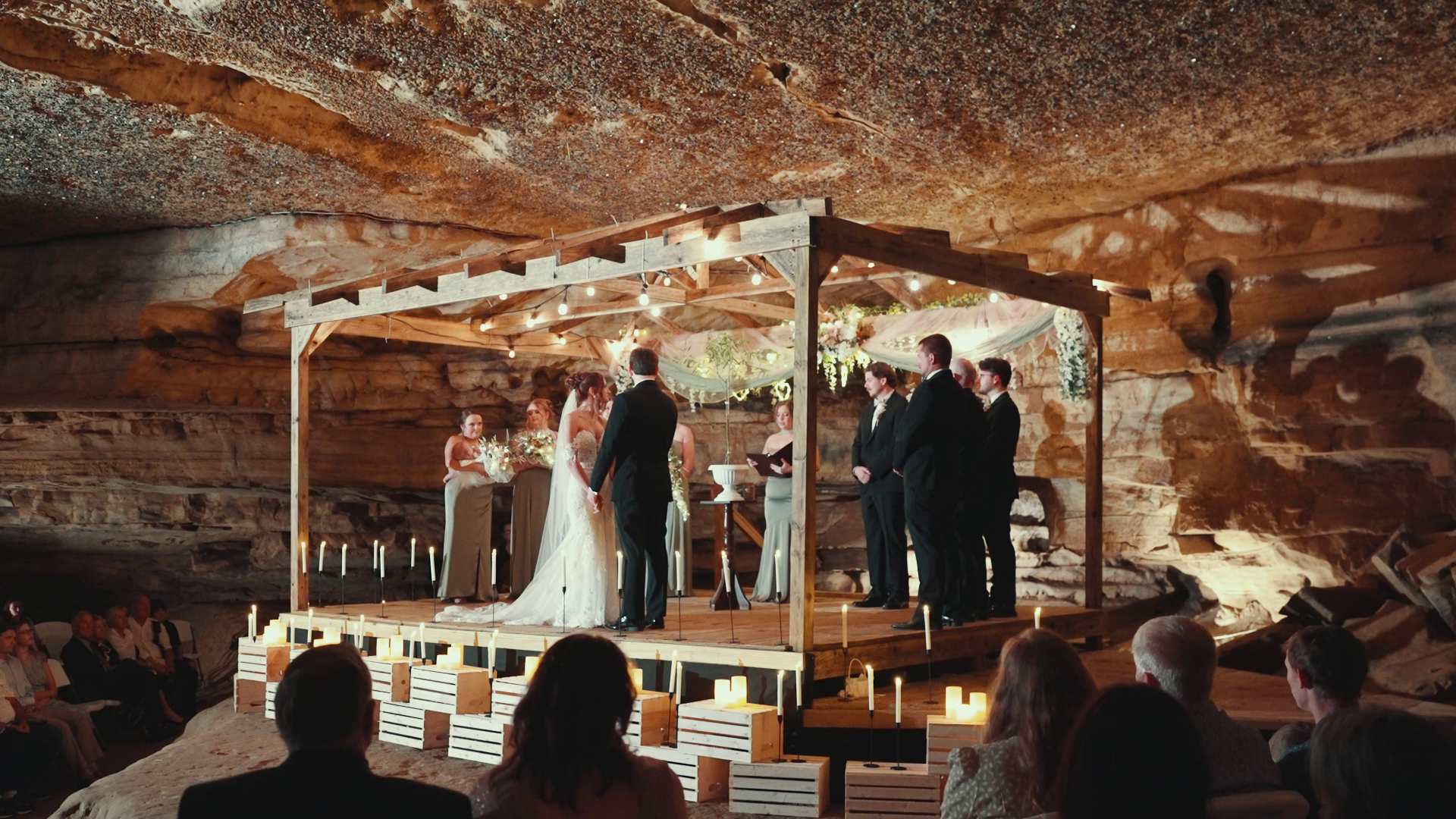
Why Investing in a Professional Wedding Film Is Worth It
Your wedding day will fly by—fast. A professional wedding film doesn’t just show what happened; it brings back what it felt like: the sound of your vows, the laughter in the room, the shaky breath before you walk down the aisle, and the moments you didn’t even realize were happening. With pro-level audio, intentional storytelling, and timeless editing (not trend-chasing), your film becomes something you’ll rewatch on anniversaries—and someday share as a family heirloom.
Your wedding day is going to move fast. Like, blink-and-it’s-over fast. And while photos are a must, a professional wedding film captures the parts you can’t freeze in a single frame: the shaky breath before you walk down the aisle, the way your people laugh, the exact sound of your vows, and the little moments you didn’t even see happening.
If you’re on the fence about adding video (or upgrading from “someone with a camera” to a real pro), here’s why investing in a professional wedding film is 100% worth it.
1) You don’t just remember what it looked like—you remember what it felt like
Photos are powerful. But film brings back emotion in a different way.
A great wedding film isn’t just a highlight montage. It’s storytelling—built around real audio, real reactions, and the energy of the day. When you hear your partner’s voice during the vows or your best friend’s toast, it hits different.
2) Audio is the secret sauce (and most people underestimate it)
Here’s the truth: shaky video is annoying, but bad audio is unwatchable.
Professional wedding filmmakers obsess over sound—mic’ing you both, recording clean ceremony audio, capturing speeches clearly, and grabbing ambient sound that makes the film feel alive.
That means you’ll actually hear the moments you’re paying to remember.
3) You’ll catch the moments you missed
You can’t be everywhere at once. While you’re taking portraits, your guests are hugging, laughing, crying, and telling stories about you.
A pro team is trained to anticipate moments and cover multiple angles so you get:
Reactions during the ceremony
Happy chaos during the dance floor
Quiet moments with parents and grandparents
The “in-between” stuff that ends up being your favorite
4) Professional films are built to last (not just look good on Instagram)
Anyone can throw clips into an app and slap trending audio on it.
A professional wedding film is crafted with intentional pacing, color grading, clean sound, and thoughtful editing—so it still feels timeless 10, 20, 30 years from now.
Trends change. Your story doesn’t.
5) It becomes a family heirloom
This is the part that sneaks up on people.
Your wedding film isn’t just for you—it’s for future you. For your kids. For the people who couldn’t be there. For the family members you’ll someday wish you could hear again.
A wedding film becomes a piece of your family history.
6) You’re investing in experience, not just equipment
Yes, pros have better cameras, lenses, lighting, and audio gear.
But what you’re really paying for is:
Someone who knows how to handle any lighting situation
Someone who can stay calm when timelines shift
Someone who can direct without making it awkward
Someone who knows what matters and how to capture it
That experience is what protects your memories.
7) You’ll actually watch it (more than you think)
A lot of couples assume they’ll watch their film once and forget it.
What usually happens is this:
You watch it together and cry.
You show your parents.
You send it to friends who couldn’t make it.
You rewatch it on anniversaries.
You rewatch it when life gets hard and you need a reminder of what you built.
So… is it worth it?
If you care about remembering your day beyond the visuals—if you want to relive voices, movement, energy, and emotion—then yes.
A professional wedding film is one of the only things from your wedding that increases in value over time.
Want help figuring out what kind of wedding film fits your day?
If you’re planning a wedding in Louisville (or anywhere you’re willing to bring a good story), reach out and tell me what you’re dreaming up. I’ll help you figure out what coverage makes sense—no pressure, just real guidance.
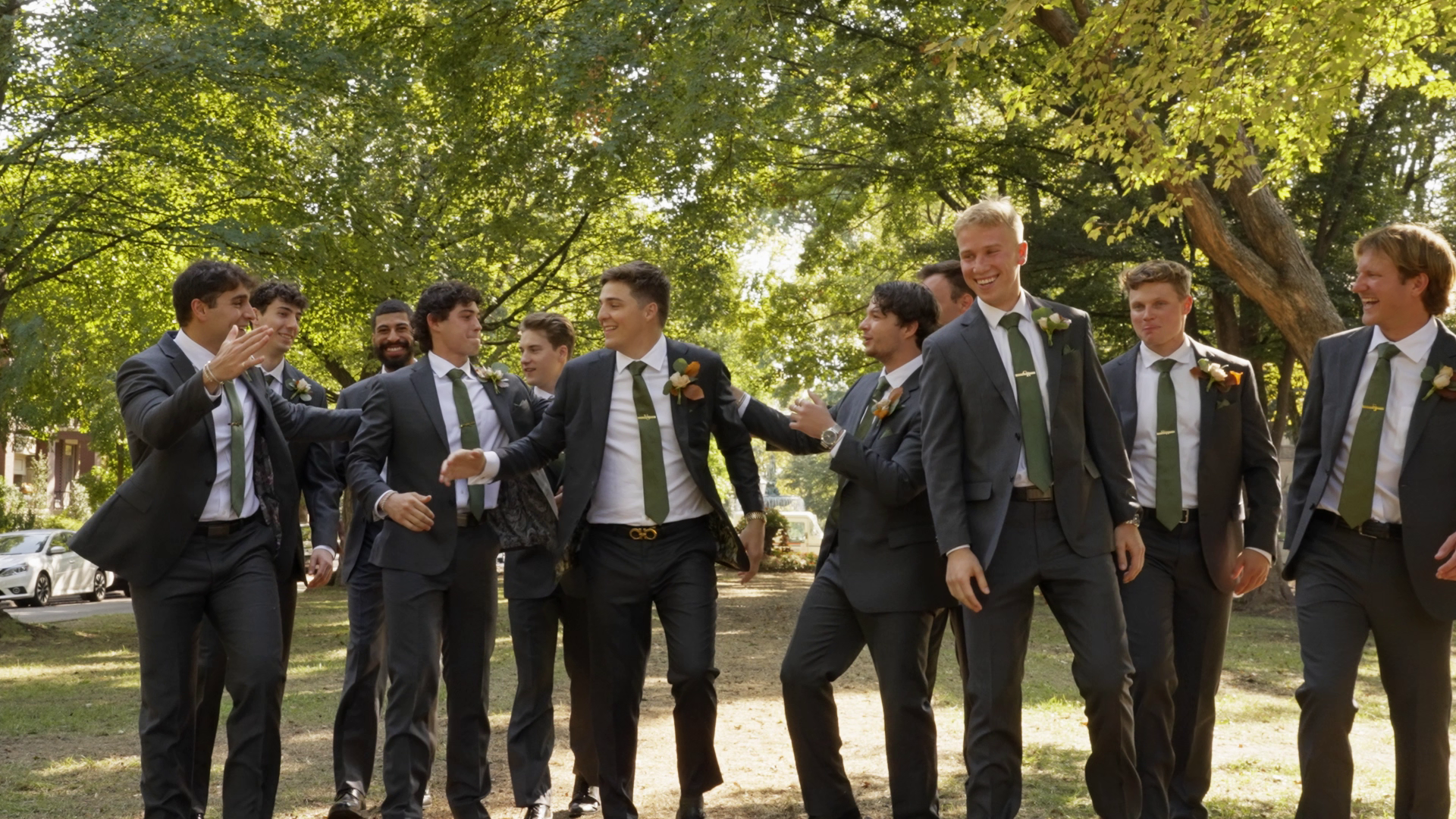
The Role of Audio in Creating a Powerful Wedding Film
Most couples think the “wow factor” in a wedding film is all visuals—but the part that makes you feel it years later is audio. Clean vows, toasts, and real ambient sound turn pretty footage into a story you can relive. When your filmmaker uses multiple mics and backups, your wedding film becomes a time machine: the shaky breath before the vows, the laugh during a roast, the crowd after the first kiss. Great audio is what makes a wedding film cinematic, personal, and unforgettable.
Most couples think the “wow factor” in a wedding film comes from the visuals: the dress, the venue, the sunset shots, the slow-motion confetti. And yeah… those matter.
But if you want a wedding film that actually hits you in the chest years later, audio is the secret weapon.
Audio is what turns pretty footage into a story. It’s what makes your film feel like your day, not just a highlight reel.
Audio is where the emotion lives
Think about the moments that make you tear up:
The shaky breath before vows
The voice crack during a letter reading
The laughter when someone roasts you during toasts
The crowd reaction after the first kiss
You can see those moments, but you feel them because you can hear them.
When audio is captured well, your film becomes a time machine. It brings back the exact tone of the day—not just what it looked like.
Vows and speeches are the backbone of the story
A powerful wedding film usually has a narrative thread, and 9 times out of 10 it comes from:
Vows
Letters
Toasts
Off-the-cuff moments (the stuff you didn’t plan)
Great audio lets us build your film around your actual words—not generic voiceover, not random quotes, and definitely not a “Pinterest script.”
That’s why pro audio coverage matters so much. If the vows are muffled, the mic cuts out, or the DJ feed is distorted, you lose the heart of the story.
Good audio makes the film feel cinematic (not cheesy)
“Cinematic” isn’t just slow motion and dramatic music. It’s pacing, tension, release… and audio does a ton of that heavy lifting.
Here’s what strong audio can do:
Pull you into a moment with natural sound (breaths, footsteps, crowd noise)
Create goosebumps with a clean vow line under music
Make transitions feel smooth and intentional
Let quiet moments stay quiet (which is rare and powerful)
Bad audio does the opposite. It instantly makes a film feel amateur—even if the visuals are great.
Music is important—but it should support the story
Music sets the tone, but it shouldn’t be the whole movie.
If your wedding film is wall-to-wall music with no real dialogue, it can feel like a montage. Pretty, sure… but it usually doesn’t feel personal.
The best wedding films use music like seasoning:
It supports the emotion
It helps build energy
It gives the film rhythm
But the main ingredient is still your voices.
How audio is captured (and why it’s more than one mic)
A lot can go wrong with wedding-day audio, which is why experienced filmmakers don’t rely on a single source.
A solid audio setup usually includes a few layers:
Lav mics on the couple/officiant (for vows)
A recorder from the DJ/venue soundboard (for speeches and ceremony audio)
On-camera mics for natural sound and backup
Extra recorders in case something fails (because weddings don’t do re-takes)
Redundancy is everything. The goal is simple: no matter what happens, we get clean, usable audio.
Audio in editing: where the story really comes together
Capturing audio is step one. Shaping it is where the magic happens (yeah, I said it—just not that phrase).
In editing, audio helps us:
Choose the strongest lines from vows/toasts
Layer natural sound under music for realism
Smooth out awkward pauses and mic bumps
Balance levels so you don’t have to crank the volume
Build a story arc that feels intentional
When it’s done right, you don’t “notice” the audio—you just feel the film.
What to ask your wedding videographer about audio
If you’re comparing videographers, don’t be afraid to ask audio questions. It’s one of the biggest differences between a film that’s nice and a film that’s unforgettable.
Here are a few good ones:
How do you mic the couple and officiant?
Do you record from the DJ/soundboard?
What’s your backup plan if a mic fails?
Can I hear a full ceremony/toast audio sample?
Do you deliver full ceremony and speeches as separate edits?
If they get vague here, that’s a red flag.
Final thought
You only get one chance to capture the voices from your wedding day.
Photos can show you what happened. Video can show you how it looked.
But audio brings back how it felt.
If you want a wedding film that still gives you chills on your 10-year anniversary, don’t just hire someone who shoots pretty footage—hire someone who takes audio seriously.
If you want, tell me your vibe (romantic, hype, documentary, cinematic, etc.) and I’ll help you outline what audio moments to prioritize on your wedding day.
The Psychology Behind Effective Video Storytelling
Video storytelling works best when it stops feeling like “content” and starts feeling like a real moment you can feel. In this post, The Psychology Behind Effective Video Storytelling, we break down why story-driven films (especially wedding films, brand videos, testimonials, and nonprofit mini-docs) hold attention longer, hit harder emotionally, and get shared more often. It comes down to how the brain processes story structure, emotion, authenticity, and anticipation—not just pretty visuals.
You’ll learn a simple storytelling framework (setup → tension → release) that works for everything from a 30-second Instagram Reel to a full cinematic highlight film, plus practical tactics like holding on reactions longer, capturing natural audio (laughs, shaky breaths, pauses), and using “unfinished loops” to keep viewers watching. If you’re a videographer or business owner trying to create storytelling videos that convert, this guide shows how to build meaning into every edit—so your audience remembers the message, not just the shots.
Video storytelling works when it feels less like “content” and more like a lived moment. The best films don’t just show what happened — they make people feel what happened. That’s psychology, not luck.
1) Our brains are wired for stories (not info dumps)
Humans naturally look for patterns: a beginning, a shift, and a payoff. When your video has a clear arc, viewers don’t have to work to understand it — they can relax and experience it.
A simple structure that works almost every time:
Setup: Who are we with? What do they care about?
Tension: What’s at stake? What could go wrong?
Release: What changed? What did it mean?
Even a 30-second reel can hit all three.
2) Emotion drives attention — and attention drives memory
People remember what they feel, not what they’re told. Emotion is basically the brain’s “highlight marker.” When a moment hits joy, relief, pride, nostalgia, or even nervous laughter, the brain tags it as important.
If you want your video to stick:
Show reactions, not just actions
Hold on faces a beat longer than feels “necessary”
Use audio that captures real emotion (laughs, shaky breaths, pauses)
3) We trust what feels real (authenticity beats perfection)
Perfect visuals can impress, but authenticity builds trust. Viewers are constantly asking, consciously or not: Is this real? Can I believe this?
Ways to increase “realness” fast:
Include imperfect micro-moments (a cracked voice, a messy hug, a nervous joke)
Let the environment breathe (room tone, footsteps, crowd noise)
Avoid over-explaining with text — let the moment speak
4) Identification: people lean in when they see themselves
When viewers recognize themselves in someone else’s story, their guard drops. That’s why the best storytelling feels specific, but somehow universal.
To build identification:
Anchor the story in a relatable desire (belonging, love, purpose, security)
Use details that feel human (a dad’s hand squeeze, a best friend’s ugly-cry laugh)
Show the “before” version of the person, not just the highlight
5) Anticipation is a cheat code (curiosity keeps people watching)
The brain hates unfinished loops. If you create a question early, viewers stick around for the answer.
Try opening with:
A line of dialogue that raises a question
A quick “later” moment, then a rewind
A visual that feels slightly out of context
Examples:
“I didn’t think I’d make it to this day…”
A groom wiping tears before we even see the bride
A toast starting mid-sentence: “...and that’s when I knew.”
6) Sound is the fastest route to emotion
Visuals show the moment. Sound makes it land. Music, vows, speeches, and natural audio all shape how the brain interprets what it’s seeing.
A few practical moves:
Prioritize clean dialogue (lav mics are worth it)
Use music to support the emotion, not overpower it
Let silence happen — it creates weight
7) Meaning is the real “wow factor”
Cinematic shots are great, but meaning is what makes someone share a video, cry, or hit “save.” Meaning comes from context: why this moment matters to them.
To build meaning:
Include one clear theme (commitment, legacy, second chances, family)
Choose moments that reinforce that theme
Cut anything that looks cool but doesn’t serve the story
A simple checklist for your next story-driven edit
Before you export, ask:
Do we know what the person wants?
Do we feel what’s at stake?
Do we hear real emotion (not just music)?
Is there a moment of change or release?
Would someone who wasn’t there still care?
Final thought
Effective video storytelling isn’t about tricks — it’s about understanding how people process emotion, meaning, and connection. When you build your film around human moments, the psychology does the heavy lifting.
If you want, tell me what kind of video you’re making (wedding highlight, brand story, testimonial, nonprofit piece) and I’ll outline a story structure + hook ideas that fit.
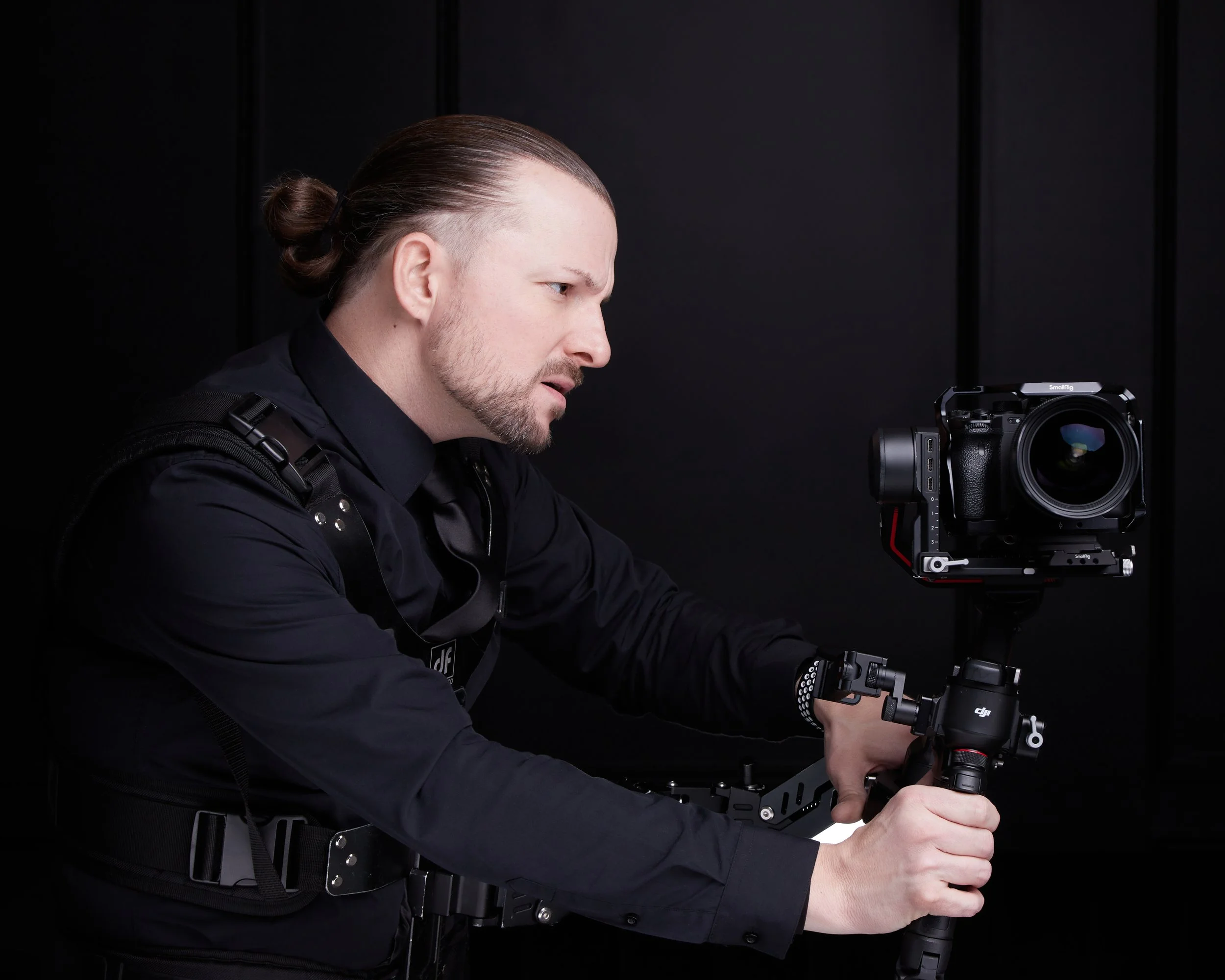
Beginner’s Guide to Understanding Video Resolution, Frame Rates, and Formats
If you’ve ever exported a video and thought, “Why does this look different than what I filmed?” you’re not alone. Resolution, frame rate, and file format are the three big knobs that control how sharp your video looks, how smooth motion feels, and how easy it is to upload, edit, and share. In this beginner-friendly guide, you’ll learn the difference between 1080p vs 4K, 24fps vs 30fps vs 60fps, and why MP4 + H.264 is usually the safest choice for delivery. We’ll also cover the “hidden” setting that impacts quality the most—bitrate—so your exports don’t come out crunchy or blocky (especially in dark scenes and fast movement).
If you’ve ever exported a video and thought, “Why does this look different than what I filmed?” — you’re not alone. Resolution, frame rate, and file format are the three big knobs that control how your video looks, how smooth it feels, and how easy it is to upload, edit, and share.
This guide breaks it down in plain English so you can pick settings with confidence.
1) Video Resolution (aka how “big” the image is)
Resolution is the number of pixels in your video frame. More pixels usually means more detail, but also bigger file sizes.
Common resolutions you’ll see
720p (HD): 1280 × 720 Good for quick web videos when file size matters.
1080p (Full HD): 1920 × 1080 The everyday standard for YouTube, websites, and most client deliverables.
4K (UHD): 3840 × 2160 Sharper, more flexible for cropping, but heavier to edit and store.
When higher resolution actually helps
You want to crop in or reframe in editing without losing quality.
You’re delivering for large screens (TVs, projectors) or premium clients.
You want extra detail for future-proofing.
The trade-offs
Higher resolution = bigger files, slower editing, and more storage.
If your final output is Instagram or a small web embed, 4K can be overkill.
2) Frame Rate (aka how smooth motion looks)
Frame rate is how many individual images (frames) your camera records per second.
Common frame rates
24 fps: Classic “cinematic” motion. Great for storytelling.
30 fps: Standard for online video and many corporate projects.
60 fps: Smoother motion, great for sports, action, or crisp movement.
Slow motion basics
low motion works best when you film at a higher frame rate and then play it back at a lower one.
Example:
Film at 60 fps, edit on a 30 fps timeline → you can slow it down to 50% smoothly.
Film at 120 fps, edit on a 24 fps timeline → super smooth slow motion.
Quick rule of thumb
Want a cinematic feel? 24 fps
Want clean, “normal” motion for web? 30 fps
Want slow motion options? 60 fps+
3) Video Formats & Codecs (aka the container vs. the compression)
This part confuses people because “format” can mean two different things:
Container (file type): The wrapper, like .MP4 or .MOV
Codec: The compression method inside the wrapper, like H.264 or H.265
Common containers
MP4: The most universal. Plays nicely almost everywhere.
MOV: Common in Apple workflows and pro cameras; can be larger.
Common codecs
H.264: The go-to for delivery. Great balance of quality and file size.
H.265 (HEVC): Smaller files at similar quality, but can be harder on older computers.
ProRes (Apple ProRes): High quality, easier to edit, but huge files.
Which should you choose?
Delivering to clients / uploading online: MP4 + H.264 is usually the safest bet.
Editing and color grading: A higher-quality codec (like ProRes) can be smoother to work with.
4) Bitrate (the hidden setting that affects quality a lot)
Bitrate is how much data your video uses per second. Think of it like “how much detail you’re allowing the file to keep.”
Higher bitrate = better quality, bigger file
Lower bitrate = smaller file, but can look blocky (especially in dark scenes or fast motion)
If your video looks crunchy after export, bitrate is often the culprit.
5) Best beginner settings (simple and safe)
If you just want solid results without overthinking it:
For YouTube and websites
Resolution: 1080p (or 4K if you filmed 4K and want extra sharpness)
Frame rate: Match what you filmed (24 or 30)
Format: MP4
Codec: H.264
For Instagram Reels / TikTok
Resolution: 1080 × 1920 (vertical)
Frame rate: 30 fps (or 60 if you filmed it and want smoother motion)
Format: MP4
Codec: H.264
For editing-friendly exports
Resolution: Match your timeline
Frame rate: Match your timeline
Codec: ProRes (if your system can handle it)
6) Common mistakes (and how to avoid them)
Mixing frame rates without a plan: Decide your timeline frame rate first.
Exporting 4K when you don’t need it: You’ll waste time and storage.
Using a weird codec for delivery: If it won’t play on a client’s laptop, it’s not a win.
Crushing bitrate too low: Especially bad for weddings, low light, and dance floors.
Final thought
You don’t need to memorize every number — just remember this: resolution controls detail, frame rate controls motion, and format/codec controls compatibility and file size. Pick settings based on where the video is going and how you plan to edit it.
If you want, tell me what you’re filming (wedding, reels, YouTube, corporate) and where it’s being posted, and I’ll recommend the exact settings to use.