

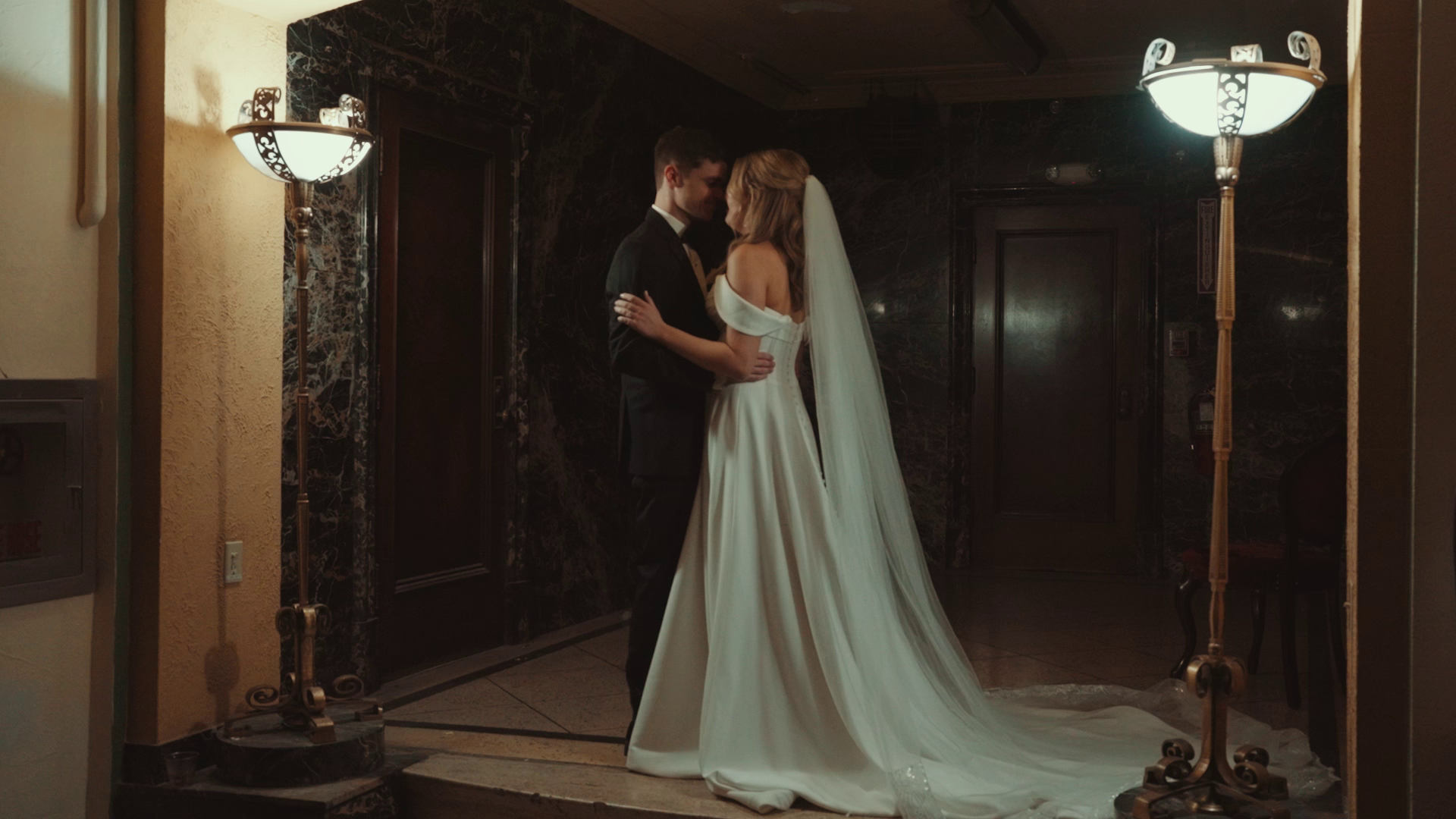
Outdoor vs. Indoor Ceremonies: What It Means for Your Wedding Video
Choosing an outdoor vs. indoor ceremony affects more than the backdrop—it directly impacts the lighting, audio clarity, and overall cinematic feel of your wedding video. Outdoor ceremonies can deliver soft, romantic natural light, but wind, traffic, and unpredictable weather can make capturing clean vows harder without professional lav mics and backup audio. Indoor ceremonies often provide more consistent sound and a timeless, intimate look, though dim or mixed lighting can be tricky without the right camera setup. If you want a wedding film that looks incredible and lets you actually hear every word, planning for light, sound, space, and a real backup plan is the difference-maker.
Choosing between an outdoor or indoor ceremony isn’t just a “pretty backdrop” decision—it changes the entire look, sound, and feel of your wedding film. Neither option is better… but they do come with different trade-offs.
If you want a video that feels cinematic and you want to actually hear your vows clearly, here’s what to know before you lock in your ceremony plan.
1) Lighting: the biggest difference you’ll see on camera
Outdoor ceremonies
Natural light can look unreal on video—soft, flattering, and romantic.
Best case: open shade, golden hour, or light cloud cover (dreamy skin tones)
Harder case: harsh midday sun (squinty eyes, heavy shadows, blown-out highlights)
Quick tip: If you’re outdoors, try to avoid a ceremony time when the sun is directly overhead. Late afternoon usually films better.
Indoor ceremonies
Indoor lighting can be gorgeous… or it can be a challenge.
Churches and venues can be dim, which can add mood but requires the right cameras and settings.
Mixed lighting (tungsten + daylight + LEDs) can create color shifts that are harder to match.
Quick tip: Ask your venue if they can keep lighting consistent (and avoid colored uplighting during the ceremony if possible).
2) Audio: the biggest difference you’ll feel
If your film is story-driven, audio is everything. This is where indoor vs. outdoor really matters.
Outdoor ceremonies
Outdoors introduces variables you can’t control:
Wind noise
Traffic or airplanes
Guests shifting chairs on grass
Water features (pretty, but loud)
What helps: professional lav mics on both of you, plus backup recorders and a plan for wind.
Indoor ceremonies
Indoors usually gives you a more controlled sound environment.
Less wind and fewer random noises
Often easier to connect to a DJ or house sound system
Watch out for: echo in large churches and venues with high ceilings.
3) Weather: the stress factor that shows up in your footage
Outdoor ceremonies
Outdoor ceremonies can be stunning—but weather can change the mood fast.
Heat can lead to shiny faces and rushed pacing
Cold can make people tense (and shorten vows)
Rain can force a last-minute location change
Quick tip: Have a real rain plan that still looks good on camera (not just “we’ll figure it out”).
Indoor ceremonies
Indoor ceremonies are more predictable.
Fewer last-minute changes
More consistent comfort for you and your guests
Quick tip: If your indoor space is tight, consider an unplugged ceremony or a seated layout that keeps aisles clear for cameras.
4) Space + movement: how cinematic your ceremony can feel
Outdoors
Outdoor spaces usually give filmmakers more freedom:
Wider angles
More natural movement
Cleaner backgrounds (if the ceremony is positioned well)
One thing to plan: what’s behind you. A parking lot, trash cans, or random signage can sneak into shots.
Indoors
Indoor ceremonies can be beautiful, but space can be limited.
Some churches restrict where cameras can be placed
Tight aisles can limit movement
Quick tip: Ask your venue about any filming rules ahead of time so there are no surprises.
5) The “feel” of the film: outdoor vs. indoor vibes
This part is personal—but it matters.
Outdoor ceremonies often feel airy, bright, and natural.
Indoor ceremonies often feel intimate, dramatic, and timeless.
If you want a moody, emotional, cinematic look, indoor can be perfect. If you want bright, open, and romantic, outdoor can be perfect.
A simple checklist to get the best ceremony video (either way)
Choose a ceremony time with flattering light (outdoors) or consistent lighting (indoors)
Mic both of you (not just the officiant)
Have a weather backup plan that still looks intentional
Ask the venue about filming rules and space constraints
Think about what’s behind you (yes, really)
Final thought
Your ceremony location sets the stage for your wedding film—but the best results come from planning for the stuff most people don’t think about: light, sound, space, and a solid backup plan.
If you want, tell me your venue type (church, barn, backyard, rooftop, etc.) and ceremony time, and I’ll tell you the 2–3 biggest video wins to prioritize.