

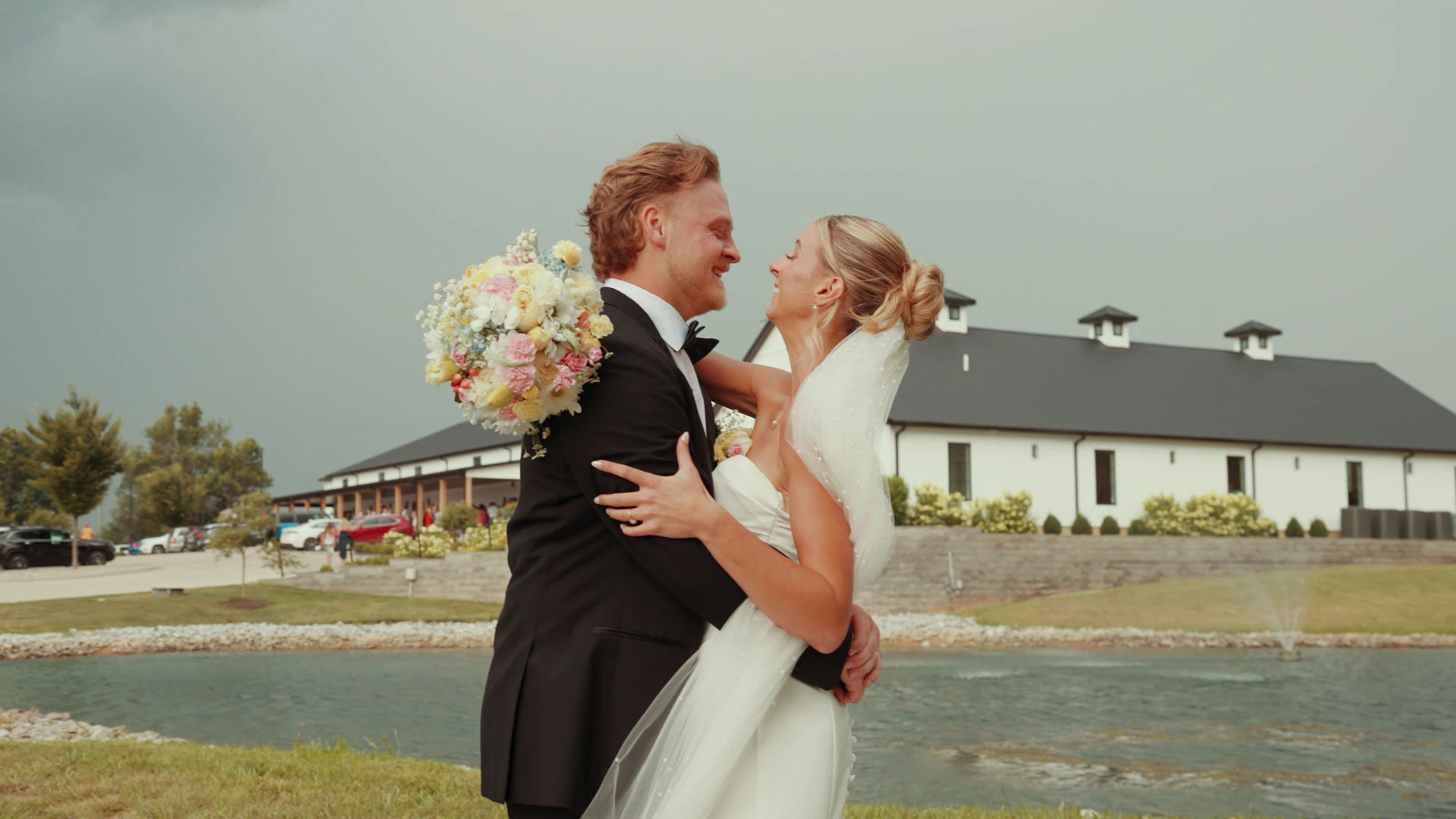
Real Audio, Real Tears: Why Mic’ing the Bride + Groom All Day Changes Everything in Your Wedding Film
Most wedding films look beautiful—but the ones that wreck you a year later have one thing in common: real audio. Here’s why mic’ing the bride and groom all day captures the whispers, laughs, and shaky breaths you can’t recreate—and turns a highlight reel into an actual story.
If you’ve ever watched a wedding film and thought, “This looks beautiful” but didn’t feel anything—it’s usually an audio problem.
Pretty shots are easy to find.
But the thing that makes you cry on your couch a year later? It’s the words. The shaky breath before the vows. The little jokes you forgot you said. The “Are you okay?” whispered right before you walk down the aisle.
That’s why mic’ing the bride and groom all day is a game-changer.
Wedding films aren’t about video—they’re about moments
Video captures what happened.
Audio captures what it meant.
When you can hear the real voices, the film becomes personal. It stops being a montage and starts being a story.
What you miss when you only mic the ceremony
A lot of videographers only mic during the ceremony (or worse—they rely on the DJ’s feed and hope it works).
Here’s what gets lost:
The private letter reading / gifts
The nervous laughs during getting ready
The “You look insane” moment when you first see each other
The little pep talk from dad or mom
The quiet “I can’t believe this is real” right before you walk out
Those are the moments that hit hardest—and they happen outside the ceremony.
What “all-day audio” actually means
When we say “mic’d,” we’re talking about small wireless microphones (lav mics) that capture clean, close audio.
All-day audio usually includes:
Groom mic’d early (so we catch pre-ceremony moments + anything spontaneous)
Bride mic’d when it makes sense (comfort first—always)
Officiant mic’d (so vows are crystal clear)
DJ/soundboard backup (redundancy matters)
The goal is simple: if something meaningful is said, we catch it.
The real reason this matters: you can’t recreate it
You can re-stage a shot.
You cannot re-stage:
the crack in your voice
the laugh that turns into crying
the exact way your partner says your name
That stuff is one take. One day. That’s it.
“But will the mic be visible?”
Sometimes, yes—a little.
And honestly? Most couples don’t care once they understand what they’re getting in return.
A tiny mic that gives you real vows, real reactions, and real memories is a trade most people are happy to make.
“What if I’m awkward on camera?”
Good news: audio actually helps with that.
When you’re focused on your person and your day, the film becomes less about “performing” and more about being present. The audio carries the emotion so we don’t have to force anything visually.
Bottom line
If you want a wedding film that feels like you—not just a pretty recap—ask your videographer one question:
“How do you capture audio all day?”
If you want, I can help you compare videographers based on their audio approach. Send me their package details or a link, and I’ll tell you what to look for.
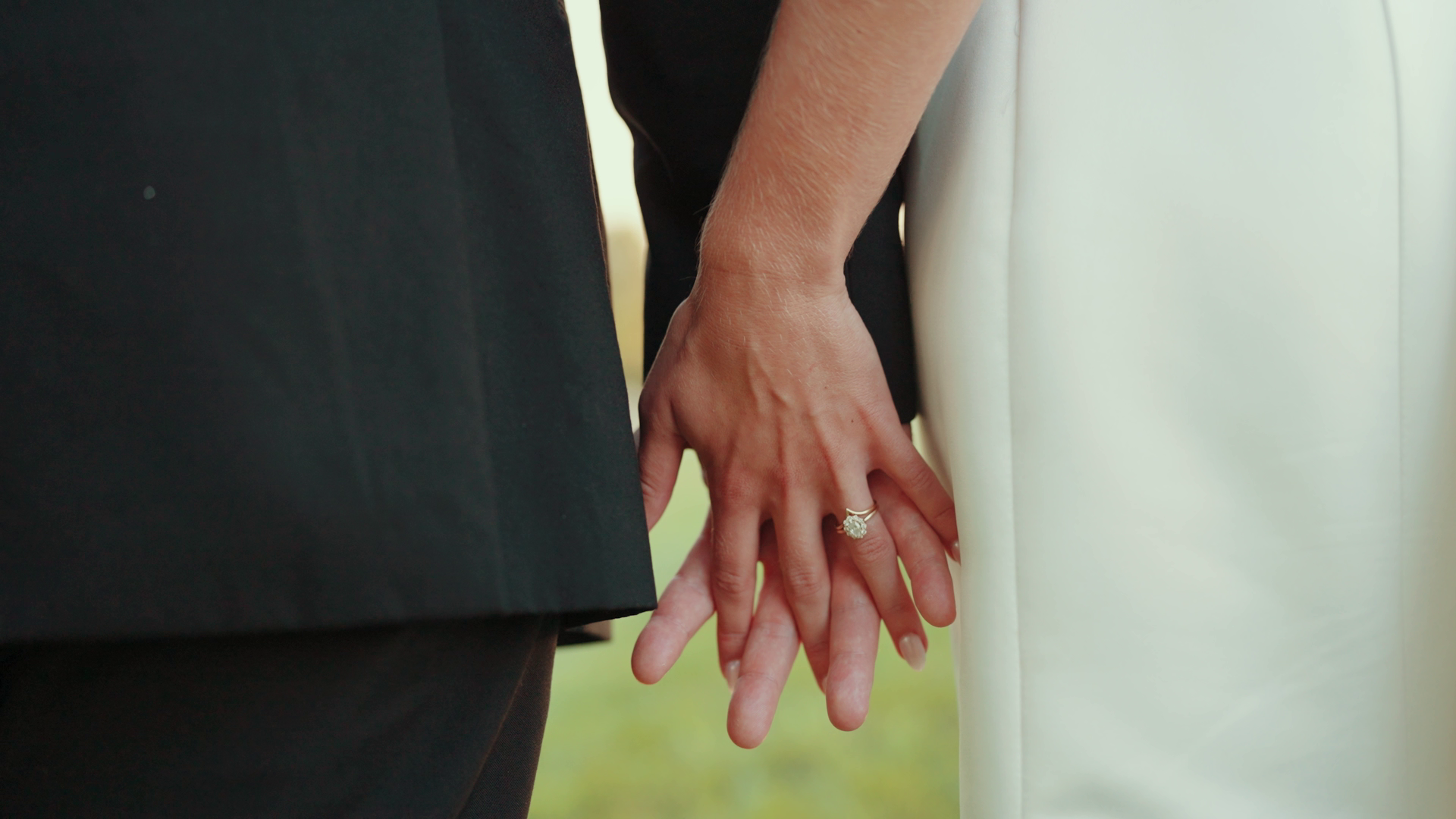
The #1 Thing Couples Forget When Booking a Wedding Videographer (And It Changes Everything)
Most couples book video last—then realize the one thing they’ll miss most isn’t the visuals… it’s the voices. Here’s what to ask before you book so your wedding film actually lets you relive the day.
You’re comparing packages, scrolling Instagram, asking friends for recommendations… and somehow the videographer ends up being one of the last vendors you book. I get it—photos feel “required,” and video can feel like a “nice-to-have.”
But here’s the truth: your wedding film isn’t just a highlight reel—it’s the only way you’ll hear your voices again. The shaky laugh during vows. The way your people sound when they toast you. The little “are you good?” whisper right before you walk down the aisle.
Why “sound” is the secret sauce
Most couples don’t realize how much of their day is audio-driven until it’s gone.
Vows
Letters
Toasts
Prayer/blessing
The random one-liners that make your day your day
A film with clean audio doesn’t just show the moment—it brings you back into it.
What to ask before you book anyone
If you’re shopping videographers, ask these questions (and listen closely to the answers):
How do you capture audio? (Do they mic both of you? Do they rely on the DJ feed only?)
Do you record audio all day or only during the ceremony?
Do you have backup audio? (Because tech fails. Pros plan for it.)
How do you handle noisy venues and wind?
The “last vendor booked” problem
Videographers book up fast—especially the ones who are truly story-first.
If you wait too long, you’ll either:
settle for someone whose style doesn’t match your vibe, or
pay more for what you wanted in the first place, or
miss out entirely
How we do it at Foree Films
My approach is simple: story first, always.
We mic the bride and groom (yes, all day)
We capture moments before and after the ceremony—not just the “main events”
We film in a way that helps you feel comfortable, not “performed”
If you’re planning right now…
If you want a film that feels like you—not a cookie-cutter montage—reach out early. Even if you’re still picking a venue or finalizing your date, I can help you think through what coverage actually makes sense.
Want to see what story-driven wedding films look like? Contact Foree Films and I’ll send a few examples based on your vibe.
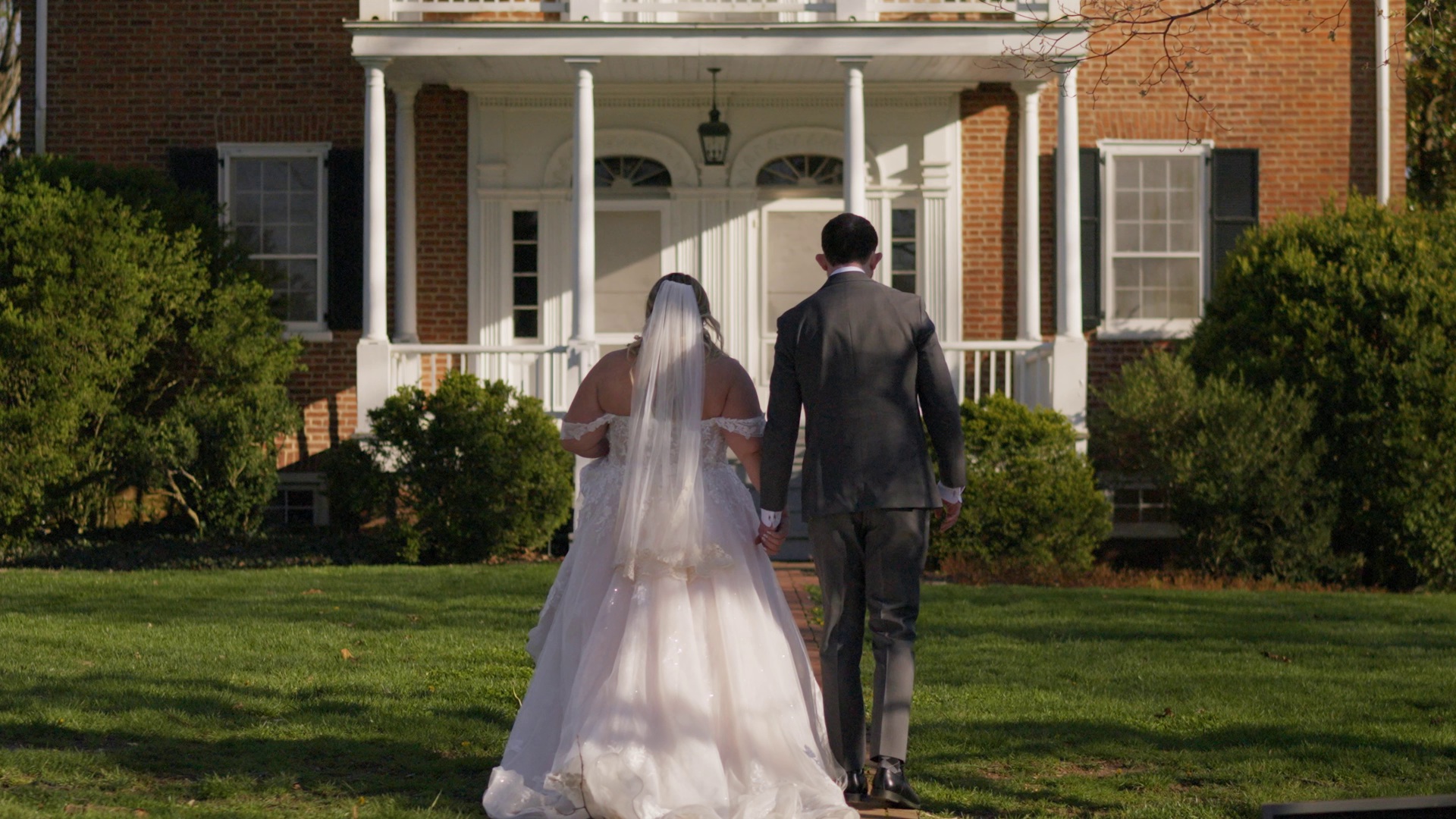
The Story-First Wedding Film: How Pro Audio, Real Moments, and Intentional Editing Turn Your Day Into a Movie
Most wedding videos look nice. A story-first wedding film feels like you’re reliving the day — not just watching highlights. That difference comes down to three things most couples don’t hear about until it’s too late: pro audio, real in-between moments, and intentional editing. When your vows, speeches, and the quiet “you good?” right before the doors open are captured clearly, your film stops being a recap and starts feeling like a movie—built around your words, your energy, and your story.
Most wedding videos look nice. A story-first wedding film feels like you’re reliving the day — not just watching highlights.
At Foree Films, the goal isn’t “pretty shots.” It’s capturing the real moments, the real voices, and the real energy… then shaping it into a film that feels like you.
What “story-first” actually means
A story-first film is built around emotion and meaning, not just a timeline.
Instead of only showing:
Dress details
Slow-motion portraits
A montage of the reception
We’re also listening for the moments that make your day yours:
The shaky laugh before you walk down the aisle
That one line in a vow that hits everyone in the chest
The quiet “you good?” right before the doors open
Those are the moments that turn a wedding film into a personal story.
Pro audio is the secret weapon (and most people skip it)
Here’s the truth: you can forgive a shaky shot. You can’t forgive bad audio.
When you can clearly hear what’s being said — vows, prayers, speeches, little side comments — your film instantly becomes more emotional and more immersive.
That’s why we mic the bride and groom throughout the day and prioritize clean audio capture before, during, and after the ceremony.
Good audio lets us:
Build your film around your actual words
Layer in reactions and real-time moments
Make the story feel natural instead of forced
Real moments beat perfect poses
A wedding day is already cinematic. We don’t need to manufacture it.
Some of the most powerful clips aren’t staged:
The way your hands lock when you’re nervous
The look your mom gives you when she thinks no one’s watching
Your friends losing it during toasts
A story-first approach means we’re always watching for the in-between moments — because that’s where the truth lives.
Intentional editing: where your film becomes “a movie”
Editing is where everything comes together.
A story-first edit isn’t just “best clips in order.” It’s pacing, structure, and emotional build.
We’re making decisions like:
What moment should open the film to pull you in immediately?
Which audio lines tell the clearest story of who you are?
When should the music lift… and when should it disappear so you can hear the room?
The goal is a film that feels modern, emotional, and high-energy — but still true to your vibe.
What you should ask any wedding videographer before booking
If you want a film that feels like a story (not just a recap), ask these questions:
How do you capture audio? (If they don’t talk about mics, that’s a red flag.)
Do you build the film around vows/speeches? This is usually the difference between “highlight reel” and “story.”
How do you approach candid moments? You want someone who can document without interrupting.
How do you tailor the edit to the couple’s vibe? One-size-fits-all edits feel generic fast.
The bottom line
If you’re investing in wedding video, don’t just ask for “cinematic.” Ask for story.
Because years from now, it won’t be the drone shot you replay the most.
It’ll be the way your voice sounded when you said the words.
Want a wedding film that feels like you?
If you’re into story-driven films with clean audio, real moments, and an edit that matches your energy, reach out through ForeeFilms.com and let’s see if your date is open.
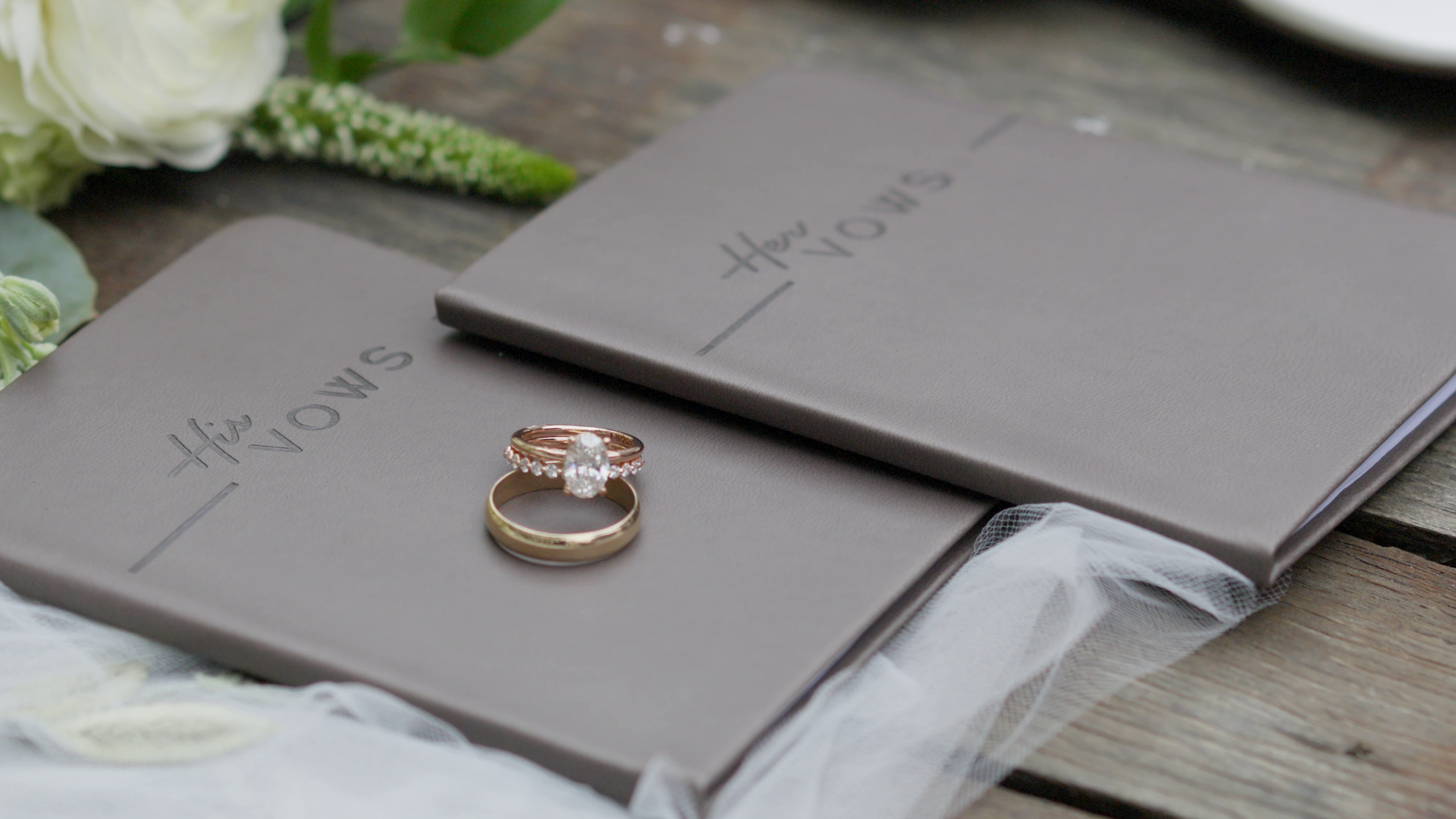
Why Our Wedding Films Feel Different: The Foree Films Process for Capturing Real Emotion + Real Audio
You can have the prettiest wedding day ever—and still end up with a film that feels like random clips. At Foree Films, we build everything around story first, because the goal isn’t just to show what happened—it’s to capture what it felt like. That’s why we prioritize real audio all day (vows, speeches, letters, ceremony sound, and the in-between moments you didn’t even notice). With intentional multi-camera coverage and editing built for emotional pacing, your film won’t feel like a template—it’ll feel like your day, with the voices and moments that actually make it hit.
You can have the prettiest wedding day ever—and still end up with a film that feels like a highlight reel of random clips.
At Foree Films, we build wedding films around story first. That means we’re not just filming what happened—we’re capturing what it felt like. And the fastest way to make a wedding film feel real is simple: real audio + real moments + intentional coverage.
Below is exactly how we do it.
1) We start with story, not trends
Trends are fun, but they don’t hold up like real emotion.
When we plan your coverage, we’re listening for the pieces that make your day yours:
The way you talk about each other
The people who matter most
The moments you’re most excited for (and the ones you’re nervous about)
The vibe you want—cinematic, high-energy, laid-back, classic, or all of the above
That story-first mindset is what keeps your film from feeling generic.
2) We prioritize audio all day (because that’s where the emotion lives)
Most couples don’t realize this until they see it: audio is the heartbeat of a wedding film.
We mic up and capture clean sound so you can actually hear the moments that matter:
Vows (the real ones, not the “kind of” ones)
Speeches and toasts
Letters / private reads
Ceremony audio
The little in-between moments you didn’t know we caught
When you hear your voices, your people, and your reactions—that’s when the film hits.
3) We film with intention (multiple angles, real coverage)
Pretty shots are great. But we’re not gambling on one camera angle and hoping for the best.
We build coverage so your story is protected:
Multiple cameras for key moments
A focus on reactions (not just the “main event”)
Smart positioning so we’re not in the way—but we’re not missing anything either
The goal is simple: you get to be present, and we’ll handle the capture.
4) We capture the moments before and after the “big moments”
A lot of wedding films only show the ceremony kiss and the dance floor.
We love those moments—but the magic is often right around them:
The breath before you walk down the aisle
The squeeze of the hand during vows
The laugh right after the ceremony ends
The way your friends lose their minds during introductions
Those are the details that make your film feel like your day.
5) We edit for feeling (not just a timeline)
A wedding film doesn’t have to show every moment in order to be complete.
We craft your film like a story:
We build emotional pacing (so it doesn’t feel rushed or random)
We use audio to guide the narrative
We match the edit to your vibe—romantic, fun, high-energy, or more cinematic and moody
The end result is a film that feels like you—not a template.
6) We keep the process clear and supportive
We’re big on being easy to work with. You’ve got enough going on.
Here’s what you can expect from us:
Clear communication and next steps
A calm, professional presence on the wedding day
A focus on making you feel comfortable on camera
A delivery process that’s straightforward (no confusion, no chasing)
If you’re looking for a wedding film that sounds like it felt—we’re your people
f you want a film that captures the real stuff—the voices, the emotion, the energy—that’s what we do.
If you’re ready, reach out with your date + venue and we’ll confirm availability and send the package guide.
Preciate you for being here.
From ‘Highlight Reel’ to ‘Your Story’: What Makes a Wedding Film Feel Real (Not Generic)
A highlight reel can look amazing… and still feel like it could belong to anyone. The difference between “pretty footage” and a film that feels real comes down to story: clear vows and speeches you can actually hear, candid in-between moments, and an edit with structure—not just clips in order. When your videographer builds the day around audio + emotion (not templates), your wedding film stops being a montage and starts feeling like your story.
A highlight reel is cool. It’s fast, pretty, and gets the job done.
But if you’ve ever watched a wedding video and thought, That could be literally anyone, you already know the problem: it’s not a story ‘ it’s a montage.
A wedding film that feels real has personality. It has voice. It has moments that only belong to you.
Here’s what actually separates a generic highlight reel from a film that feels like your story.
1) Real audio (not just a song doing all the emotional work)
Music can set a mood, but it can’t replace the words.
Generic films lean on:
One trendy track
Pretty visuals
Quick cuts
Story-driven films lean on:
Vows you can clearly hear
Speeches that make people laugh/cry
The room reacting in real time
The little candid lines that happen when nobody’s performing
If you want a film that feels personal, ask your videographer how they capture and prioritize audio. It’s the foundation.
2) Candid moments > perfect posing
The best stuff usually happens in the in-between:
The nervous hands
The deep breath
The “we’re really doing this” look
The hug that lasts a second longer than normal
A film feels real when it includes moments you didn’t even realize were happening ‘because that’s what you’ll miss most later.
3) An edit that has structure (not just “best clips in order”)
A highlight reel is often chronological: prep - ceremony - portraits - reception.
A story-driven film is shaped.
That means decisions like:
What's the opening line that hooks you instantly?
What audio line becomes the theme of the whole day?
When do we slow down and let a moment breathe?
When do we crank the energy and let the party feel like the party?
That structure is what makes your film feel like a movie, not a recap.
4) Details that match your vibe (not a template)
Two couples can get married at the same venue and have completely different energy.
A film feels generic when it ignores that.
A film feels real when it reflects:
Your personalities (goofy, quiet, hype, sentimental, all of it)
Your people (the relationships that matter)
Your pacing (slow and emotional vs. high-energy and wild)
Your story (how you got here)
That's why the best wedding films don't look identical - even if the shot list is similar.
5) Coverage that's built for storytelling
This is the part couples don't think about until it's too late: some timelines don't leave room for story.
If you want a film that feels personal, you need space for:
Real reactions
Unrushed moments
Audio capture that isn't chaotic
Time for your people to actually be with you
A good videographer will help you build a timeline that supports the film you want, not just the schedule you're handed.
The bottom line
A highlight reel shows what happened.
A story-driven film reminds you what it felt like.
If you want a wedding film that sounds real, feels personal, and matches your energy, reach out through ForeeFilms.com and let's see if your date is open.
What to Include in a Wedding Detail Box for Your Videographer (Flat Lay + Storytelling Shots)
Your wedding film isn’t just the ceremony and the party — it’s the story. And that story starts with the little things: the invitation suite, rings, vows, heirlooms, and the textures you chose on purpose. A simple wedding detail box keeps everything in one place so your videographer can capture clean, cinematic flat lays and meaningful storytelling shots—without hunting around the room or interrupting the moment.
Your wedding film isn’t just the ceremony and the party — it’s the story. And the story starts with the little things: the details you picked on purpose, the heirlooms you didn’t even realize mattered, and the textures/colors that set the vibe.
A wedding detail box is simply a small box (or bag) you prep ahead of time with the items you want filmed and photographed during the “getting ready” portion of the day. It saves time, keeps things from getting lost, and helps your videographer capture clean, cinematic flat lays and storytelling shots.
Why a detail box matters (for video)
When we’re filming, we’re not only grabbing pretty shots — we’re building transitions and emotional beats.
A good detail box helps us:
Start your film with intentional “scene setting”
Capture your style (classic, modern, moody, romantic, etc.)
Get clean flat lay shots without hunting around the room
Film meaningful items before they get worn, wrinkled, or misplaced
Tie your vows, letters, and heirlooms into the story
The “must-have” detail box checklist
If you only include one section from this post, make it this one.
1) Invitation suite (if you have it)
Bring at least one full set:
Invitation
RSVP card
Details card
Envelope(s) with stamps
Any custom wax seals
Pro tip: If you can spare two full sets, even better — one can get styled while the other stays pristine.
2) Rings (all of them)
Engagement ring
Wedding bands
Ring box (if you have a nice one)
If your ring box is… not cute, no stress. A simple velvet box photographs beautifully.
3) Vows + letters (the emotional heavy hitters)
These are gold for storytelling shots.
Personal vows (his + hers / partner 1 + partner 2)
Letters or cards you’re exchanging
Gift notes
If you’re reading letters privately, tell your videographer so we can plan to capture it without interrupting the moment.
4) Jewelry + accessories
Earrings
Necklace
Bracelet
Watch
Cufflinks
Tie clip
Pocket square
Even if you’re not a “details person,” these items help create quick cinematic cutaways.
5) Perfume / cologne
Your perfume bottle
Partner’s cologne
This sounds small, but it’s a perfect “getting ready” storytelling shot — especially if it’s a signature scent.
6) Something borrowed / something blue / heirlooms
This is where your film gets personal.
Grandma’s handkerchief
A locket with a photo
A family Bible
A rosary
A charm on the bouquet
A patch inside the suit jacket
If there’s a story behind it, tell us. We’ll film it differently when we know what it means.
7) Shoes
Bride’s shoes
Groom’s shoes
Clean them up the night before (quick wipe) so they look fresh on camera.
8) The dress details (without moving the dress)
You don’t need to stuff the dress in the box — but you can include:
Dress hanger (especially if it’s personalized)
Veil
Hairpiece
Extra buttons
9) Florals (if possible)
If your florist can deliver a loose stem or a small bundle early, it helps a ton for styling flat lays.
A few extra blooms
Greenery
No extras? Totally fine — we can still make it work.
Bonus items that make your flat lay look next-level
These aren’t required, but they add texture and personality:
A handwritten note with your new last name (or wedding date)
A meaningful book or poem
A small framed photo
A ribbon that matches your colors
A vintage ring dish
A custom matchbook (if you have them)
What not to include (or what to avoid)
A few things can slow us down or make the flat lay look messy:
Random clutter (receipts, plastic packaging, hotel key sleeves)
Too many duplicates (10 invitation copies, 6 ring boxes, etc.)
Anything you’ll panic about if it gets moved for 30 seconds
If you’re worried about something being handled, just tell your videographer. We’ll respect it.
How to prep your detail box (so it actually helps)
Keep it simple:
Use a small box or pouch and label it “DETAILS.”
Put it in the getting-ready room before your videographer arrives.
Tell your maid of honor / planner where it is.
If you have heirlooms, add a sticky note with a quick explanation.
Quick FAQ
When should I give this to my videographer?
Ideally: as soon as we arrive while you’re still in hair/makeup. That’s when we can capture everything clean and calm.
What if I don’t have a lot of details?
No problem. A few meaningful pieces (rings, vows, invitation) can still create a cinematic opening.
Can my photographer and videographer share the same detail box?
Yep — and it’s actually best. One organized set keeps everyone moving fast and keeps your timeline stress-free.
Final tip: tell us what matters most
If you have one item that’s deeply meaningful — a note from a parent, a piece of jewelry, a memorial charm — point it out.
Because pretty shots are great… but meaningful shots are what make you cry when you watch your film back.
If you want, tell me your wedding vibe (classic, modern, moody, luxury, backyard, etc.) and I’ll tailor a detail box checklist to match it.
Why Investing in a Professional Wedding Film Is Worth It
Your wedding day will fly by—fast. A professional wedding film doesn’t just show what happened; it brings back what it felt like: the sound of your vows, the laughter in the room, the shaky breath before you walk down the aisle, and the moments you didn’t even realize were happening. With pro-level audio, intentional storytelling, and timeless editing (not trend-chasing), your film becomes something you’ll rewatch on anniversaries—and someday share as a family heirloom.
Your wedding day is going to move fast. Like, blink-and-it’s-over fast. And while photos are a must, a professional wedding film captures the parts you can’t freeze in a single frame: the shaky breath before you walk down the aisle, the way your people laugh, the exact sound of your vows, and the little moments you didn’t even see happening.
If you’re on the fence about adding video (or upgrading from “someone with a camera” to a real pro), here’s why investing in a professional wedding film is 100% worth it.
1) You don’t just remember what it looked like—you remember what it felt like
Photos are powerful. But film brings back emotion in a different way.
A great wedding film isn’t just a highlight montage. It’s storytelling—built around real audio, real reactions, and the energy of the day. When you hear your partner’s voice during the vows or your best friend’s toast, it hits different.
2) Audio is the secret sauce (and most people underestimate it)
Here’s the truth: shaky video is annoying, but bad audio is unwatchable.
Professional wedding filmmakers obsess over sound—mic’ing you both, recording clean ceremony audio, capturing speeches clearly, and grabbing ambient sound that makes the film feel alive.
That means you’ll actually hear the moments you’re paying to remember.
3) You’ll catch the moments you missed
You can’t be everywhere at once. While you’re taking portraits, your guests are hugging, laughing, crying, and telling stories about you.
A pro team is trained to anticipate moments and cover multiple angles so you get:
Reactions during the ceremony
Happy chaos during the dance floor
Quiet moments with parents and grandparents
The “in-between” stuff that ends up being your favorite
4) Professional films are built to last (not just look good on Instagram)
Anyone can throw clips into an app and slap trending audio on it.
A professional wedding film is crafted with intentional pacing, color grading, clean sound, and thoughtful editing—so it still feels timeless 10, 20, 30 years from now.
Trends change. Your story doesn’t.
5) It becomes a family heirloom
This is the part that sneaks up on people.
Your wedding film isn’t just for you—it’s for future you. For your kids. For the people who couldn’t be there. For the family members you’ll someday wish you could hear again.
A wedding film becomes a piece of your family history.
6) You’re investing in experience, not just equipment
Yes, pros have better cameras, lenses, lighting, and audio gear.
But what you’re really paying for is:
Someone who knows how to handle any lighting situation
Someone who can stay calm when timelines shift
Someone who can direct without making it awkward
Someone who knows what matters and how to capture it
That experience is what protects your memories.
7) You’ll actually watch it (more than you think)
A lot of couples assume they’ll watch their film once and forget it.
What usually happens is this:
You watch it together and cry.
You show your parents.
You send it to friends who couldn’t make it.
You rewatch it on anniversaries.
You rewatch it when life gets hard and you need a reminder of what you built.
So… is it worth it?
If you care about remembering your day beyond the visuals—if you want to relive voices, movement, energy, and emotion—then yes.
A professional wedding film is one of the only things from your wedding that increases in value over time.
Want help figuring out what kind of wedding film fits your day?
If you’re planning a wedding in Louisville (or anywhere you’re willing to bring a good story), reach out and tell me what you’re dreaming up. I’ll help you figure out what coverage makes sense—no pressure, just real guidance.
Outdoor vs. Indoor Ceremonies: What It Means for Your Wedding Video
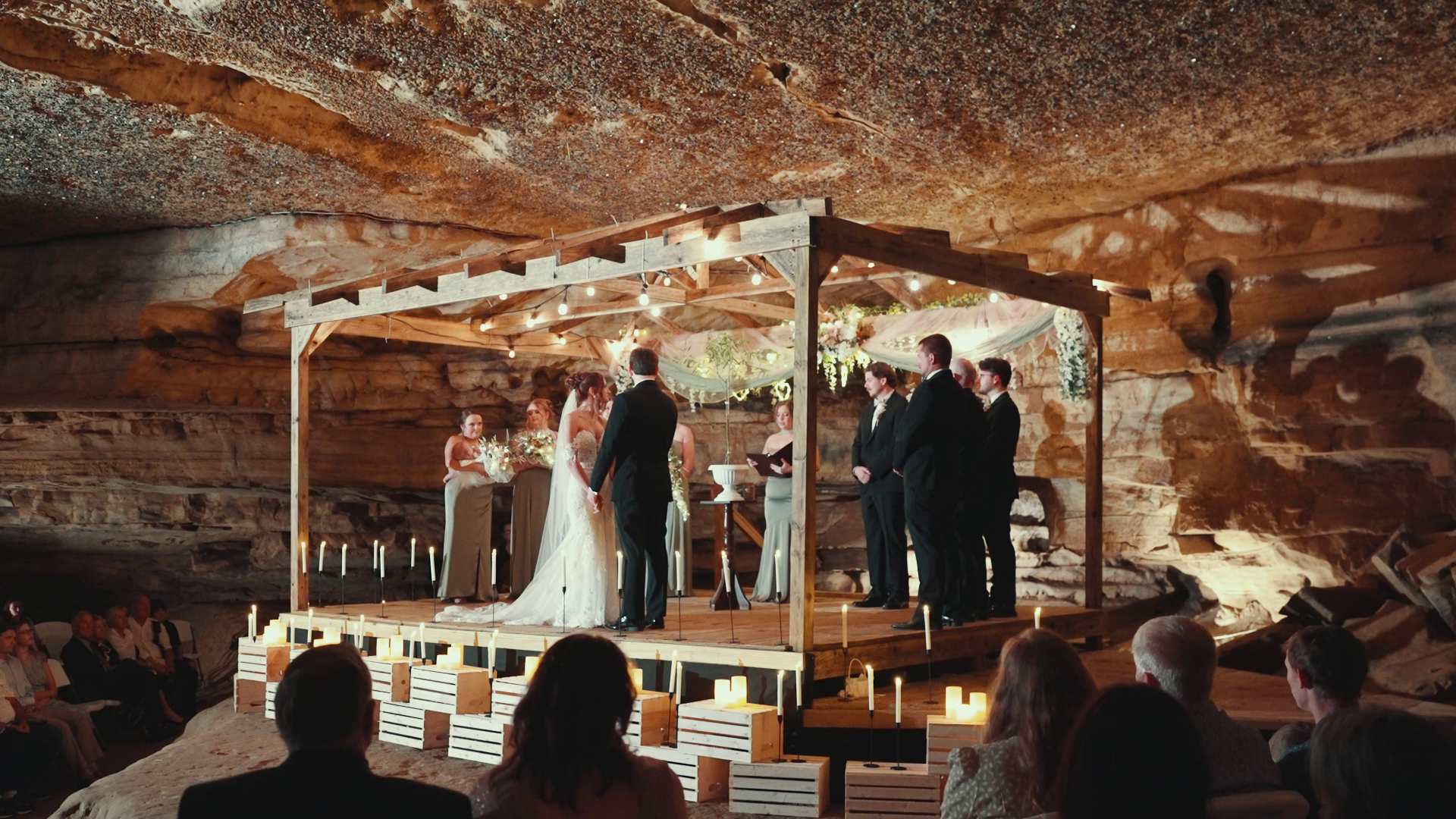
Choosing an outdoor vs. indoor ceremony affects more than the backdrop—it directly impacts the lighting, audio clarity, and overall cinematic feel of your wedding video. Outdoor ceremonies can deliver soft, romantic natural light, but wind, traffic, and unpredictable weather can make capturing clean vows harder without professional lav mics and backup audio. Indoor ceremonies often provide more consistent sound and a timeless, intimate look, though dim or mixed lighting can be tricky without the right camera setup. If you want a wedding film that looks incredible and lets you actually hear every word, planning for light, sound, space, and a real backup plan is the difference-maker.
Choosing between an outdoor or indoor ceremony isn’t just a “pretty backdrop” decision—it changes the entire look, sound, and feel of your wedding film. Neither option is better… but they do come with different trade-offs.
If you want a video that feels cinematic and you want to actually hear your vows clearly, here’s what to know before you lock in your ceremony plan.
1) Lighting: the biggest difference you’ll see on camera
Outdoor ceremonies
Natural light can look unreal on video—soft, flattering, and romantic.
Best case: open shade, golden hour, or light cloud cover (dreamy skin tones)
Harder case: harsh midday sun (squinty eyes, heavy shadows, blown-out highlights)
Quick tip: If you’re outdoors, try to avoid a ceremony time when the sun is directly overhead. Late afternoon usually films better.
Indoor ceremonies
Indoor lighting can be gorgeous… or it can be a challenge.
Churches and venues can be dim, which can add mood but requires the right cameras and settings.
Mixed lighting (tungsten + daylight + LEDs) can create color shifts that are harder to match.
Quick tip: Ask your venue if they can keep lighting consistent (and avoid colored uplighting during the ceremony if possible).
2) Audio: the biggest difference you’ll feel
If your film is story-driven, audio is everything. This is where indoor vs. outdoor really matters.
Outdoor ceremonies
Outdoors introduces variables you can’t control:
Wind noise
Traffic or airplanes
Guests shifting chairs on grass
Water features (pretty, but loud)
What helps: professional lav mics on both of you, plus backup recorders and a plan for wind.
Indoor ceremonies
Indoors usually gives you a more controlled sound environment.
Less wind and fewer random noises
Often easier to connect to a DJ or house sound system
Watch out for: echo in large churches and venues with high ceilings.
3) Weather: the stress factor that shows up in your footage
Outdoor ceremonies
Outdoor ceremonies can be stunning—but weather can change the mood fast.
Heat can lead to shiny faces and rushed pacing
Cold can make people tense (and shorten vows)
Rain can force a last-minute location change
Quick tip: Have a real rain plan that still looks good on camera (not just “we’ll figure it out”).
Indoor ceremonies
Indoor ceremonies are more predictable.
Fewer last-minute changes
More consistent comfort for you and your guests
Quick tip: If your indoor space is tight, consider an unplugged ceremony or a seated layout that keeps aisles clear for cameras.
4) Space + movement: how cinematic your ceremony can feel
Outdoors
Outdoor spaces usually give filmmakers more freedom:
Wider angles
More natural movement
Cleaner backgrounds (if the ceremony is positioned well)
One thing to plan: what’s behind you. A parking lot, trash cans, or random signage can sneak into shots.
Indoors
Indoor ceremonies can be beautiful, but space can be limited.
Some churches restrict where cameras can be placed
Tight aisles can limit movement
Quick tip: Ask your venue about any filming rules ahead of time so there are no surprises.
5) The “feel” of the film: outdoor vs. indoor vibes
This part is personal—but it matters.
Outdoor ceremonies often feel airy, bright, and natural.
Indoor ceremonies often feel intimate, dramatic, and timeless.
If you want a moody, emotional, cinematic look, indoor can be perfect. If you want bright, open, and romantic, outdoor can be perfect.
A simple checklist to get the best ceremony video (either way)
Choose a ceremony time with flattering light (outdoors) or consistent lighting (indoors)
Mic both of you (not just the officiant)
Have a weather backup plan that still looks intentional
Ask the venue about filming rules and space constraints
Think about what’s behind you (yes, really)
Final thought
Your ceremony location sets the stage for your wedding film—but the best results come from planning for the stuff most people don’t think about: light, sound, space, and a solid backup plan.
If you want, tell me your venue type (church, barn, backyard, rooftop, etc.) and ceremony time, and I’ll tell you the 2–3 biggest video wins to prioritize.

The Ultimate Timeline for Planning Your Louisville Wedding (Without Losing Your Mind!) 🎥
Hey there, Louisville lovebirds! 💍 Planning your big day in the Derby City and feeling more overwhelmed than a bourbon barrel at harvest time? Take a deep breath – your local wedding videographer is about to spill all the tea on creating the perfect wedding timeline (because let's be real, timing is everything when it comes to capturing those magical Louisville moments!). From booking the perfect downtown venue to knowing exactly when to schedule those golden-hour shots at Waterfront Park, we're breaking down your Kentucky wedding planning timeline month by month. Consider this your ultimate guide to planning a Louisville wedding that's smoother than a glass of Woodford Reserve. Bonus: we're sharing our secret '30-5 minute rule' that'll make your wedding day flow easier than the Ohio River! Ready to dive in? Let's create some magic together! 🎥✨
Y'all, let's talk about something that makes every Louisville bride's heart race faster than a Kentucky Derby thoroughbred – wedding planning! As your local wedding videographer who's captured countless "I dos" across the Bluegrass State, I'm spilling all the tea on creating the perfect Louisville wedding timeline. Trust me, I've seen it all from Kentucky farm ceremonies to downtown Louisville reception parties!
When to Book What (Because Timing is Everything, Friends!)
12-18 Months Before: • Lock down that dream Louisville venue (looking at you, The Brown Hotel and The Henry Clay!) • Book your wedding videographer (hint hint - the good ones book up fast in Louisville 😉) • Secure your photographer and planner • Start dress shopping at local boutiques
8-12 Months Before: • Book your Kentucky wedding vendors (DJ, florist, caterer) • Choose your wedding party (keep it Kentucky proud!) • Start planning those hotel blocks for out-of-town guests • Begin your wedding fitness journey (maybe some walks at Waterfront Park?)
6-8 Months Before: • Order those invitations • Plan your honeymoon • Book hair and makeup trials • Schedule engagement photos (Louisville's NuLu district makes for epic backdrops!)
3-6 Months Before: • Send those invites • Order the cake (Derby Pie, anyone?) • Plan your ceremony • Book transportation (trust me, downtown Louisville parking is no joke!)
1-3 Months Before: • Final dress fittings • Create your timeline (more on that below!) • Confirm all vendors • Get your marriage license from the Jefferson County Clerk
The 30-5 Minute Rule (A Foree Films Secret Sauce)
Here's a pro tip that'll make your wedding film look like it belongs in a Kentucky bourbon commercial: The 30-5 minute rule. Give yourself: • 30 minutes for any major transition • 15 minutes for any group photos • 5 minutes of buffer time between events
Why? Because a relaxed bride makes for cinematic gold, y'all!
Weather Watch (Because Kentucky Weather Has More Mood Swings Than a Bride the Week Before Her Wedding)
Quick Louisville weather tips: • Spring: Gorgeous but rainy (always have a backup plan!) • Summer: Hot and humid (indoor ceremony = happy guests) • Fall: Perfect but books fast (bourbon season, anyone?) • Winter: Unpredictable but magical (especially with downtown Louisville's holiday lights!)
Local Pro Tips (Because We Keep It Real in The 'Ville)
• Book your getting-ready spot near your venue (Louisville traffic is no joke) • Consider sunset timing (golden hour at Waterfront Park? Yes please!) • Plan around major Louisville events (Derby season, anyone?) • Include buffer time for those must-have downtown Louisville skyline shots
Remember, friends, your wedding day is a story waiting to be told, and every great story needs perfect timing. As your Louisville wedding videographer, I'm here to capture every laugh, tear, and bourbon toast in true Kentucky style!
Want more wedding planning tips? Drop a comment below or slide into our DMs! And don't forget to check out our latest wedding films featuring some of Louisville's most gorgeous celebrations!
#LouisvilleWedding #KentuckyWedding #WeddingPlanning #LouisvilleWeddingVideographer #KentuckyBride #LouisvilleBride #WeddingTimeline #LouisvilleWeddingPlanning #KentuckyWeddingVendor #LouisvilleWeddingVendor #ForeeFilms