

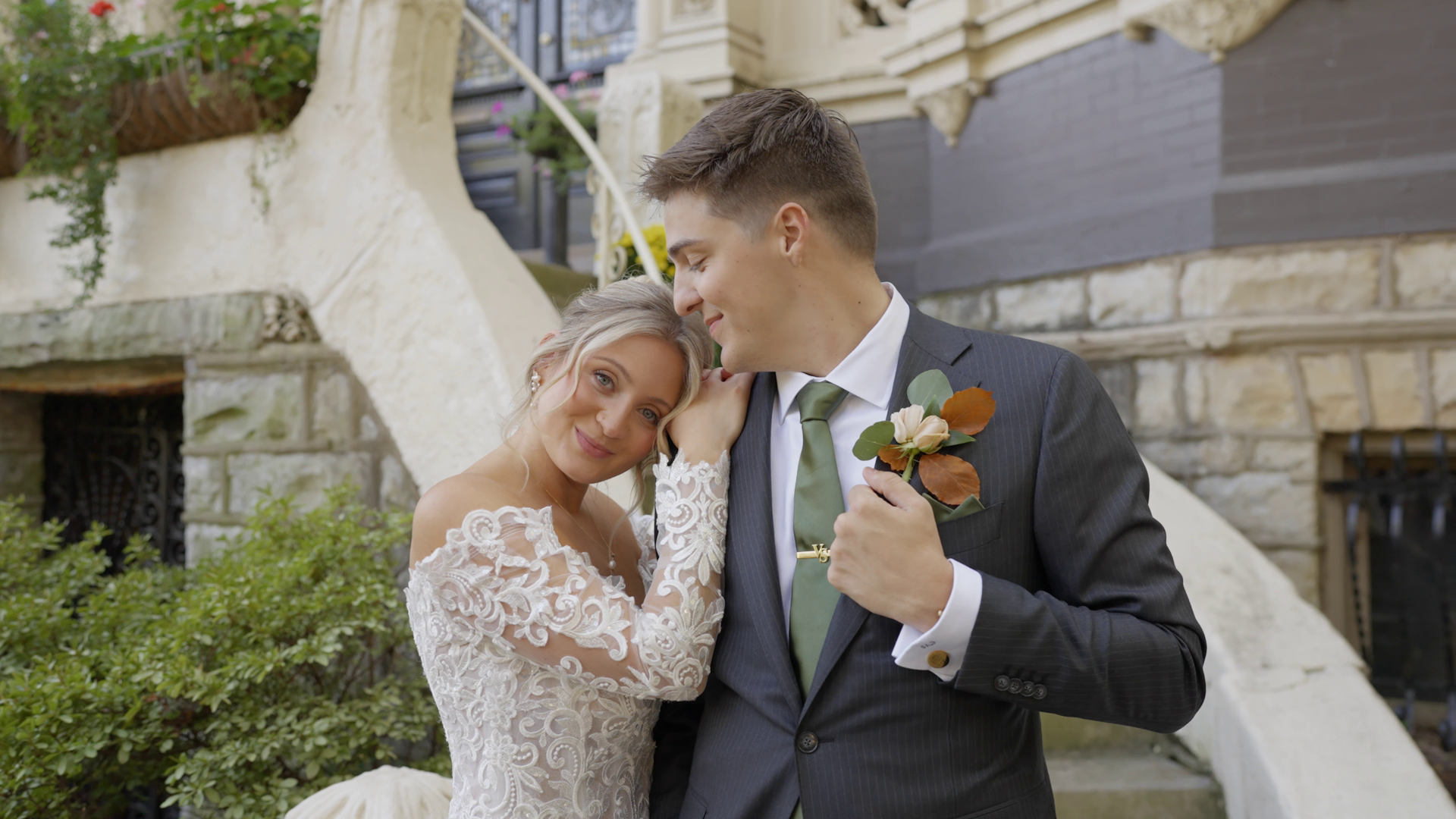
The Psychology Behind Effective Video Storytelling
Video storytelling works best when it stops feeling like “content” and starts feeling like a real moment you can feel. In this post, The Psychology Behind Effective Video Storytelling, we break down why story-driven films (especially wedding films, brand videos, testimonials, and nonprofit mini-docs) hold attention longer, hit harder emotionally, and get shared more often. It comes down to how the brain processes story structure, emotion, authenticity, and anticipation—not just pretty visuals.
You’ll learn a simple storytelling framework (setup → tension → release) that works for everything from a 30-second Instagram Reel to a full cinematic highlight film, plus practical tactics like holding on reactions longer, capturing natural audio (laughs, shaky breaths, pauses), and using “unfinished loops” to keep viewers watching. If you’re a videographer or business owner trying to create storytelling videos that convert, this guide shows how to build meaning into every edit—so your audience remembers the message, not just the shots.
Video storytelling works when it feels less like “content” and more like a lived moment. The best films don’t just show what happened — they make people feel what happened. That’s psychology, not luck.
1) Our brains are wired for stories (not info dumps)
Humans naturally look for patterns: a beginning, a shift, and a payoff. When your video has a clear arc, viewers don’t have to work to understand it — they can relax and experience it.
A simple structure that works almost every time:
Setup: Who are we with? What do they care about?
Tension: What’s at stake? What could go wrong?
Release: What changed? What did it mean?
Even a 30-second reel can hit all three.
2) Emotion drives attention — and attention drives memory
People remember what they feel, not what they’re told. Emotion is basically the brain’s “highlight marker.” When a moment hits joy, relief, pride, nostalgia, or even nervous laughter, the brain tags it as important.
If you want your video to stick:
Show reactions, not just actions
Hold on faces a beat longer than feels “necessary”
Use audio that captures real emotion (laughs, shaky breaths, pauses)
3) We trust what feels real (authenticity beats perfection)
Perfect visuals can impress, but authenticity builds trust. Viewers are constantly asking, consciously or not: Is this real? Can I believe this?
Ways to increase “realness” fast:
Include imperfect micro-moments (a cracked voice, a messy hug, a nervous joke)
Let the environment breathe (room tone, footsteps, crowd noise)
Avoid over-explaining with text — let the moment speak
4) Identification: people lean in when they see themselves
When viewers recognize themselves in someone else’s story, their guard drops. That’s why the best storytelling feels specific, but somehow universal.
To build identification:
Anchor the story in a relatable desire (belonging, love, purpose, security)
Use details that feel human (a dad’s hand squeeze, a best friend’s ugly-cry laugh)
Show the “before” version of the person, not just the highlight
5) Anticipation is a cheat code (curiosity keeps people watching)
The brain hates unfinished loops. If you create a question early, viewers stick around for the answer.
Try opening with:
A line of dialogue that raises a question
A quick “later” moment, then a rewind
A visual that feels slightly out of context
Examples:
“I didn’t think I’d make it to this day…”
A groom wiping tears before we even see the bride
A toast starting mid-sentence: “...and that’s when I knew.”
6) Sound is the fastest route to emotion
Visuals show the moment. Sound makes it land. Music, vows, speeches, and natural audio all shape how the brain interprets what it’s seeing.
A few practical moves:
Prioritize clean dialogue (lav mics are worth it)
Use music to support the emotion, not overpower it
Let silence happen — it creates weight
7) Meaning is the real “wow factor”
Cinematic shots are great, but meaning is what makes someone share a video, cry, or hit “save.” Meaning comes from context: why this moment matters to them.
To build meaning:
Include one clear theme (commitment, legacy, second chances, family)
Choose moments that reinforce that theme
Cut anything that looks cool but doesn’t serve the story
A simple checklist for your next story-driven edit
Before you export, ask:
Do we know what the person wants?
Do we feel what’s at stake?
Do we hear real emotion (not just music)?
Is there a moment of change or release?
Would someone who wasn’t there still care?
Final thought
Effective video storytelling isn’t about tricks — it’s about understanding how people process emotion, meaning, and connection. When you build your film around human moments, the psychology does the heavy lifting.
If you want, tell me what kind of video you’re making (wedding highlight, brand story, testimonial, nonprofit piece) and I’ll outline a story structure + hook ideas that fit.