

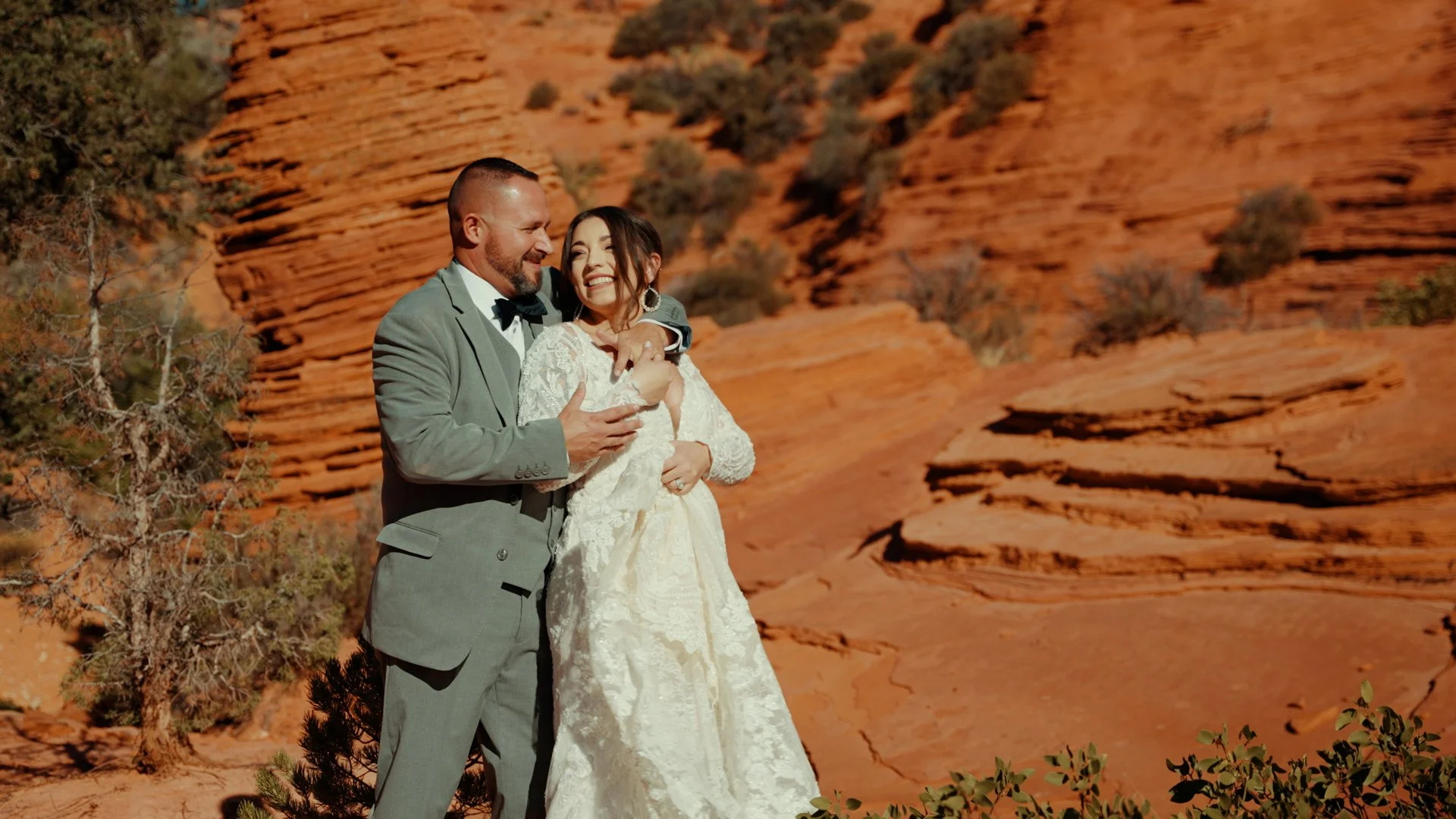
Wedding Video Timeline Breakdown: What Your Videographer Needs (and When) for a Film That Feels Like You
Most wedding timelines are built for photos and “events”—but the best wedding films are built around transitions. The deep breath before you walk down the aisle. The quiet exhale right after the ceremony. The “you good?” check-in from your best friend. This timeline breakdown shows exactly what your videographer needs (and when), plus the buffers that keep your day from feeling rushed—so your film feels personal, emotional, and like you.
If you want a wedding film that feels personal (not generic), your timeline matters way more than people think.
This isn’t about turning your wedding into a movie set. It’s about giving your videographer the right moments at the right time—so the story actually has room to breathe.
The big idea: video needs transitions, not just “events”
Most timelines are built for:
Hair/makeup
Photos
Ceremony
Reception
Video needs all that… plus the in-between moments:
The deep breath before you walk out
The “you good?” check-in from your best friend
The quiet after the ceremony when you finally exhale
Those transitions are where the emotion lives.
A simple wedding video timeline (with real-world buffers)
Below is a super common structure. Adjust the times to fit your day—what matters is the spacing.
1) Getting ready (2–3 hours)
What your videographer needs:
A clean corner for details (dress, rings, invites, perfume/cologne)
Natural light if possible
Access to both partners if you’re getting ready separately
Best moments to capture here:
Letter reads / vows practice
Parents’ reactions
Final touches (buttoning dress, tie, jacket, jewelry)
Timeline tip: Try not to schedule a bunch of people in and out of the room during letter reads. Quiet = better audio.
2) First look (optional) + couple portraits (45–75 minutes)
What your videographer needs:
A location with space and decent light
A few minutes where you’re not being rushed to the next thing
Best moments to capture here:
The actual first look reaction
You two talking (yes, talking—don’t just pose)
A little walking + natural movement
Timeline tip: If you want a story-first film, plan 10 minutes after the first look with no photos scheduled. Just let it land.
3) Wedding party + family photos (45–90 minutes)
What your videographer needs:
A clear plan so this doesn’t eat the whole day
Someone (planner, coordinator, assertive friend) who can wrangle people
Best moments to capture here:
Hugs with parents/grandparents
Wedding party energy (the chaos is good content)
Timeline tip: Family photos always run long. Build a buffer so you’re not sprinting into the ceremony.
4) Ceremony (30–60 minutes)
What your videographer needs:
Time to set up audio (mics + backup)
A clean audio feed from the DJ if available
Best moments to capture here:
Processional reactions
Vows (the heart of the film)
Recessional + that “WE’RE MARRIED” energy
Timeline tip: Tell your officiant and DJ ahead of time that you’re mic’d. It prevents last-second confusion.
5) Post-ceremony “just married” time (10–20 minutes)
This is the most underrated part of the day.
What your videographer needs:
You two alone (or mostly alone)
A spot away from the crowd
Best moments to capture here:
Real conversation
Happy crying
The calm after the storm
Timeline tip: If you do one thing for your film—do this.
6) Cocktail hour (45–90 minutes)
What your videographer needs:
Access to the room/space before it gets packed
A few minutes for venue detail shots
Best moments to capture here:
Guests mingling
You greeting people
Detail shots (bar, florals, signage, table settings)
Timeline tip: If you want reception room shots, make sure your videographer can get in there before guests.
7) Reception events (2–4 hours)
What your videographer needs:
A clear order of events from the DJ/planner
Good audio for speeches
Best moments to capture here:
Grand entrance
First dance
Parent dances
Speeches/toasts
Open dancing (the fun stuff)
Timeline tip: Speeches are gold for storytelling. If possible, do them when people are seated and the room is quieter.
The 5 timeline mistakes that hurt your wedding film
No buffer time (everything runs late, and video gets rushed)
Letter reads in a loud room (audio becomes unusable)
No time after the ceremony (you miss the emotional exhale)
Reception details happen after guests enter (you lose the clean shots)
Speeches in bad audio conditions (DJ too loud, people standing around talking)
Quick checklist to send your videographer
Final timeline (with addresses)
Planner/coordinator contact
DJ contact
Ceremony rules (church restrictions, unplugged ceremony, etc.)
Any “must-have” people (grandparents, special friends, etc.)
Bottom line
A great wedding film isn’t just about having a good camera. It’s about having a day that gives real moments space to happen.
If you want, send me your current timeline (even a rough one) and I’ll point out 2–3 small tweaks that’ll make your film hit way harder.
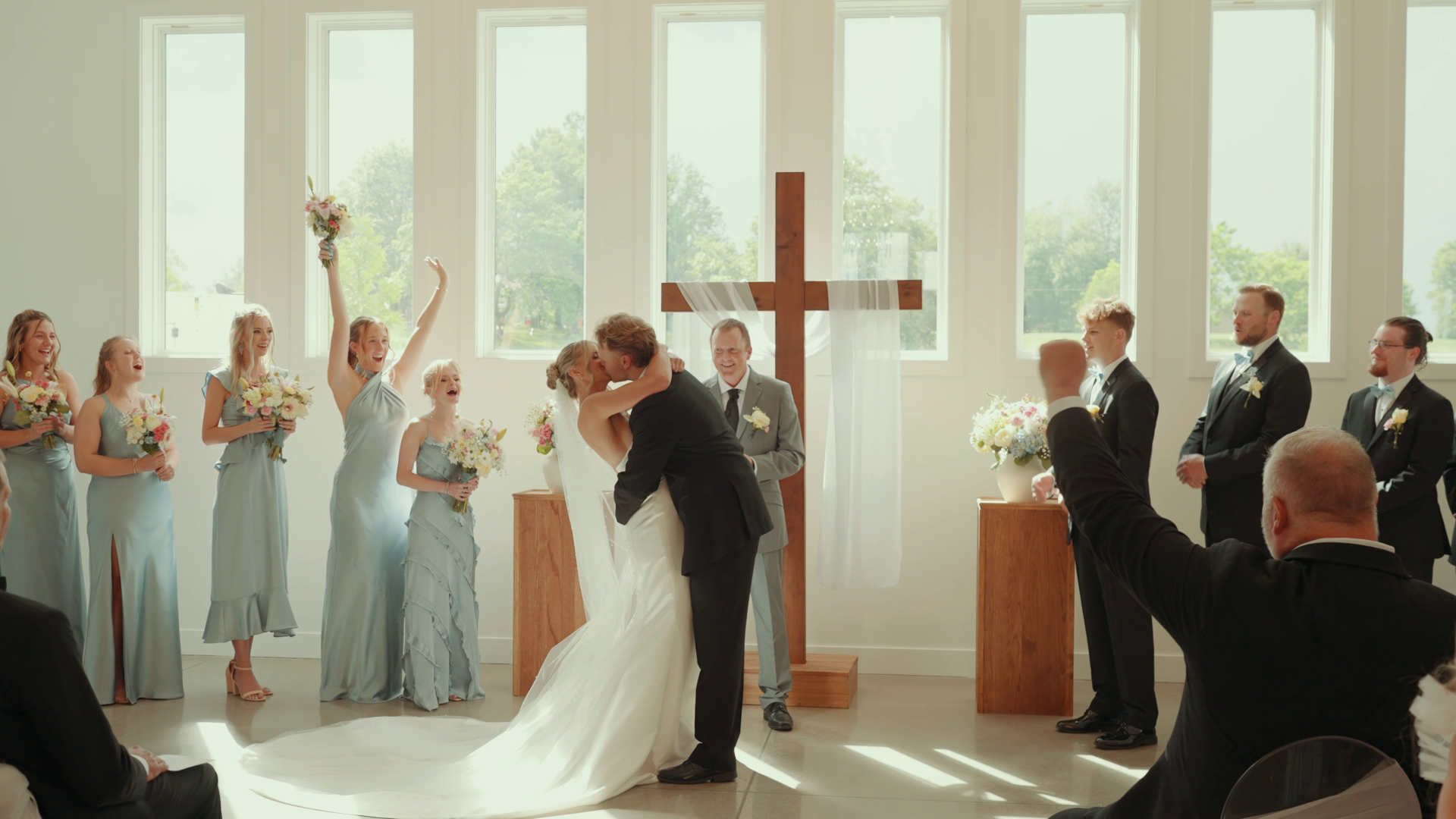
A Realistic Wedding Day Timeline (That Makes Your Film Look Better)
A good timeline doesn’t just keep your day on track—it makes your wedding film feel calmer, more emotional, and way more cinematic. Here’s a realistic wedding day timeline that gives your story room to breathe.
Let’s be real: your timeline isn’t just about staying “on schedule.” It’s the difference between a wedding film that feels calm, emotional, and cinematic… and a film that feels rushed.
This isn’t about perfection. It’s about giving your day room to breathe.
The biggest timeline mistake I see
Couples pack the day so tight that there’s no margin.
No buffer means:
you’re stressed
vendors are sprinting
moments get skipped
audio gets messy
And the camera can’t capture what never happens.
A timeline that actually works (example)
Here’s a sample structure that tends to film beautifully. Adjust it to your day, but keep the spacing.
Getting ready (2–3 hours)
letters/vows read (quiet space)
details (dress, rings, invitations)
real moments with friends/family
First look + portraits (60–90 minutes)
private moment
couples portraits
wedding party
Ceremony (30–60 minutes)
plan for mic placement
confirm DJ/officiant audio
Cocktail hour (60 minutes)
perfect time for candid reactions
quick golden hour shots if the light is right
Reception (3–4 hours)
entrances
toasts (give them time)
dances
open dancing
Pro tips that make your film instantly better
Do your vow/letter reading somewhere quiet. Bathrooms and hallways are not it.
Build in 10–15 minute buffers. You won’t regret it.
Golden hour is undefeated. If we can sneak away for 8 minutes, your film will thank you.
Tell your DJ the audio matters. Toasts without clean audio are heartbreak.
Why this matters for storytelling
A great wedding film isn’t just “pretty shots.” It’s pacing, emotion, and real moments.
When your day has breathing room, you get:
more genuine reactions
better audio
calmer energy
more cinematic light
Want help building your timeline?
If you’re booking Foree Films, I’ll help you map a timeline that works for your venue, your light, and your priorities—so your film feels like a story, not a scramble.