

How Movement, Angles, and Timing Create Emotion in Wedding Films
Wedding films become unforgettable through intentional movement, thoughtful camera angles, and perfectly timed moments. From handheld energy on the dance floor to slow cinematic shots during vows, every filmmaking choice shapes how a couple feels when they watch their story back. Learn how movement, angles, and timing work together to create emotional wedding films that feel authentic, cinematic, and timeless.
edding films aren’t emotional because they’re “pretty.” They hit you in the chest because the camera moves with intention, the angles say something, and the timing lets moments breathe.
If you’ve ever watched a wedding film and felt like you were right back in that day—heart racing, laughing, tearing up—this is why.
1) Movement: The camera’s body language
Movement is basically the camera’s tone of voice. It tells your brain how to feel before a single word is spoken.
Slow, controlled movement = intimacy
A gentle push-in during vows feels like leaning closer to hear something personal. A slow slide across a bride’s hands while she’s reading a letter feels like respect—like you’re not interrupting.
Use it for:
Letters and gift exchanges
First look anticipation
Vows and quiet prayer moments
Parent reactions
Handheld movement = real life
Handheld isn’t “shaky.” When it’s done right, it feels human—like you’re in the room, not watching from a distance. It adds urgency and authenticity, especially during high-energy moments.
Use it for:
Dance floor chaos (the good kind)
Big hugs, laughter, and spontaneous moments
Bridal party hype
Fast transitions between locations
Static shots = weight and honesty
Sometimes the best move is no move. A locked-off shot during a heavy moment can feel brave. It says, “This is important enough to just sit with.”
Use it for:
A father seeing his daughter dressed for the first time
A groom trying not to cry (and failing)
A quiet moment alone before the ceremony
2) Angles: What you choose to emphasize
Angles aren’t just “cinematic.” They’re storytelling. They decide who has power, who feels vulnerable, and what the audience should pay attention to.
Eye-level = connection
Eye-level shots feel like friendship. They’re honest and relatable. If you want the viewer to feel like they know the couple, live here.
Great for:
Prep moments with friends
Natural conversation
Walking shots
Candid reactions
Low angles = confidence and celebration
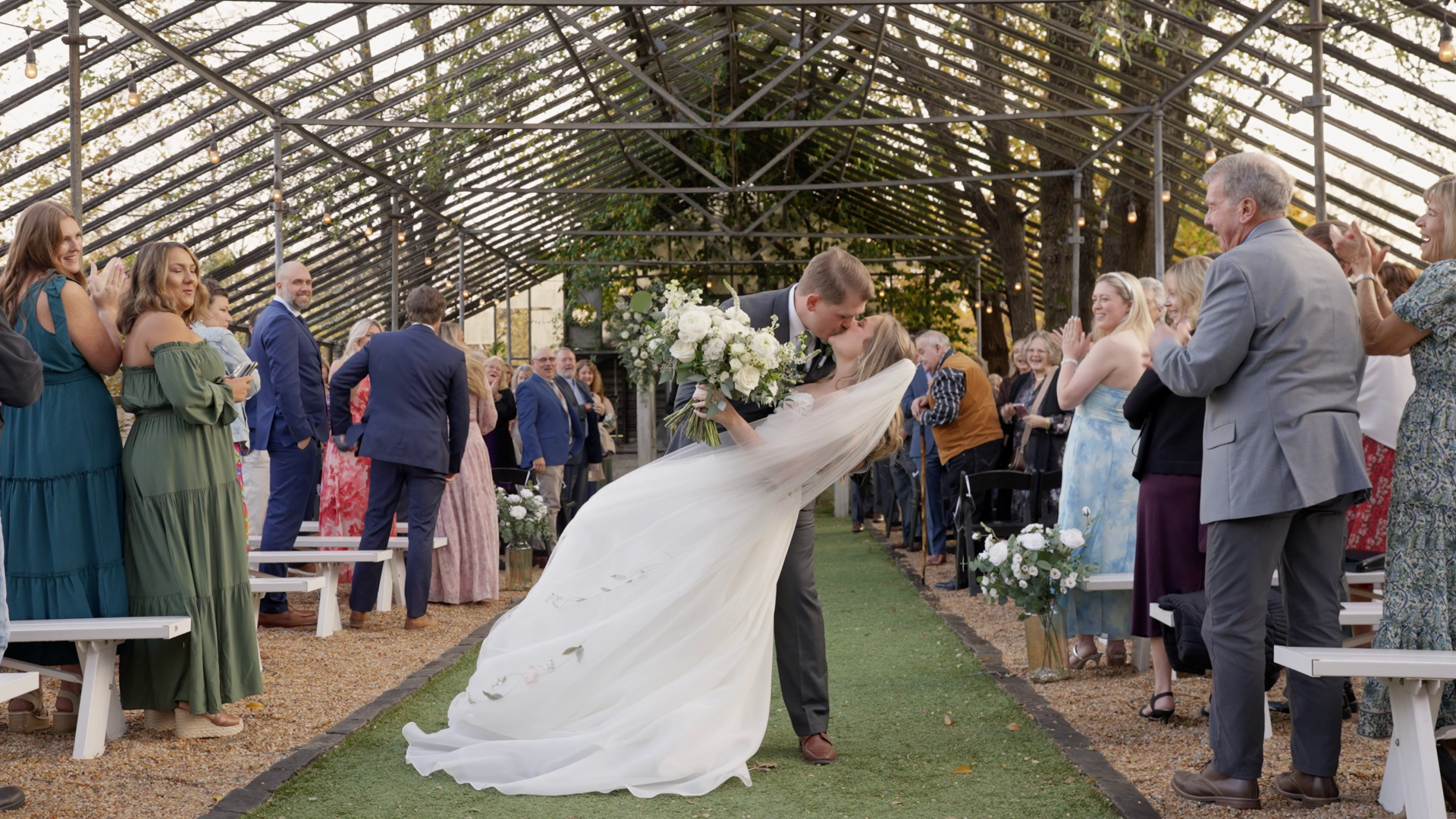
A slight low angle can make a couple feel larger-than-life—like the day is epic (because it is). It’s perfect for entrances, exits, and anything that should feel like a victory lap.
Great for:
Ceremony exit
Grand entrances
Portraits with dramatic light
Sparklers/confetti
High angles = perspective and context
High angles can make a moment feel small in a beautiful way—like “look at this whole world happening around them.” It’s also a clean way to show the scale of a venue or crowd.
Great for:
Venue reveals
Processional moments
Crowd reactions
Dance floor patterns
Tight angles = emotion you can’t fake
Close-ups are where the truth lives: shaky hands, deep breaths, watery eyes, the tiny smile that says “we made it.”
Pro tip: don’t just shoot faces—shoot hands, shoulders, breathing, and the little nervous habits people don’t realize they have.
3) Timing: The difference between “nice” and unforgettable
Timing is where most wedding films either become a highlight reel… or a story.
Let moments breathe
If you cut away too fast, you steal the emotion. The viewer needs a second to feel what’s happening.
Examples:
Hold the shot one beat longer after a laugh
Stay on a parent’s reaction after the couple walks away
Let silence exist before the music swells
Use contrast to create impact
Emotion is often created by switching gears at the right time.
Try:
Quiet letter audio over fast-paced prep visuals
A slow-motion embrace right after a quick montage
A hard cut from crowd noise to a clean vow line
Build, don’t dump
A common mistake is stacking all the “best shots” back-to-back. It looks cool, but it doesn’t always move people.
Instead:
Set the scene
Introduce the couple
Build anticipation
Deliver the emotional moment
Let the release happen
That’s storytelling. That’s what makes people cry.
Putting it all together: A simple emotional recipe
If you want a quick framework for an emotional sequence, try this:
Wide shot to establish the moment (where are we?)
Medium shot to connect (who’s here?)
Close-up to feel it (what are they feeling?)
Slow movement to lean in (this matters)
Hold the beat after the reaction (let it land)
Final thought
The goal isn’t to be “cinematic.” The goal is to make the couple feel something when they watch it back five, ten, twenty years later.
Movement is your body language. Angles are your emphasis. Timing is your emotional pacing.
When those three work together, you don’t just document a wedding day—you bring it back to life.
Want a wedding film that feels like you?
If you’re looking for a wedding film that captures the real moments and the story behind them, reach out and let’s talk through your day. I’ll help you figure out what matters most—and we’ll build a film around that.
5 Tools Every Wedding Filmmaker Needs in 2026
Wedding films live or die on two things: moments and audio. You can shoot the cleanest footage in the world, but if the vows are muffled or the speeches clip and distort, the emotion falls flat fast—and couples feel that immediately.
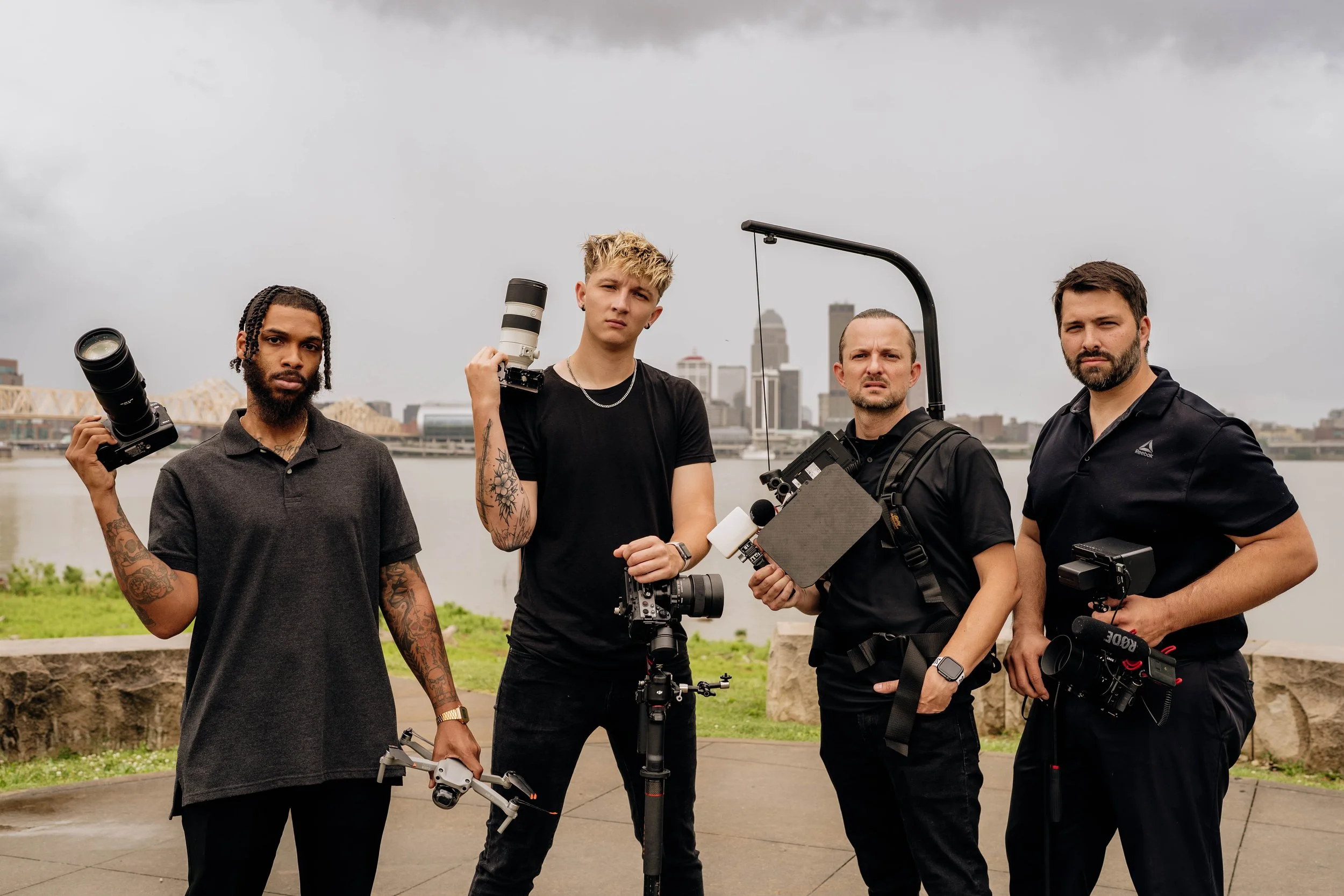
That’s why this isn’t a giant “gear dump.” These are the 5 tools every wedding filmmaker needs in 2026—the upgrades that actually protect you on a long wedding day, reduce stress, and make your edits smoother (and faster). From a no-fail wedding audio setup with backups, to dual-card recording and same-day media backups, to stabilization and reception lighting that makes your films look expensive, this list is built for real-world wedding coverage—not YouTube fantasy kits.
If you want more consistent, premium results without adding chaos to your workflow, start here. Because in 2026, the best wedding videographers aren’t just creative—they’re reliable, and their systems prove it.
Wedding films live or die on two things: moments and audio. You can have the cleanest shots in the world, but if vows are muffled or speeches peak and distort, your film loses the emotion fast.
So instead of a giant gear list, here are five tools that actually move the needle for wedding filmmakers in 2026, the stuff that protects you on a long wedding day and makes your edits smoother.
1) A no-fail ceremony + vows audio stack (with backups)
If you only upgrade one thing this year, make it audio redundancy.
What to build into your kit:
2 wireless lavs (one for each of you, or groom + officiant)
A small recorder for the officiant (or as a hard backup)
A recorder for DJ/board feed plus an attenuator/cable options
Extra batteries, gaff tape, and a tiny pouch that always stays packed
Why it matters in 2026: Couples remember what they heard as much as what they saw. Clean vows = instant premium feel.
2) Dual-card recording + a same-day dump system
Weddings don’t give you do-overs. Your media workflow needs to be boring and consistent.
A simple, safe approach:
Cameras that record to dual cards (or at least your A-cam does)
A fast SSD for on-site or same-night offload
A second drive clone at home
Cloud backup for finals (and your project files if you can swing it)
Why it matters in 2026: The best wedding filmmakers aren’t just creative, they’re reliable.
3) A stabilization setup that matches the pace of a wedding day
You need to move fast, stay smooth, and not destroy your back.
Most wedding kits should include:
A gimbal (for entrances, exits, dance floor energy)
A monopod or lightweight tripod (for ceremony + speeches)
A quick-release system so you’re not fighting plates all day
Why it matters in 2026: Couples want cinematic movement and clean documentary coverage. The right support tools let you do both.
4) Lighting that makes receptions look expensive (without being annoying)
Reception lighting is where a lot of films fall apart. You don’t need to blind people, you just need control.
A practical reception lighting kit:
1, 2 compact LED lights you can place quickly
Diffusion/softening options
Light stands that set up fast and don’t take up half the room
Why it matters in 2026: Better reception lighting = better skin tones, cleaner focus, and a film that feels intentional instead of, we survived.
5) An editing workflow built for weddings (templates, not vibes)
The goal is to deliver consistently great films without every project taking over your life.
Workflow tools that save hours:
A repeatable folder structure per wedding
Timeline templates (highlight, teaser, doc edit)
A consistent audio cleanup chain (EQ, compression, limiter)
Auto-captioning for social teasers
A shot list / story beats checklist so you don’t miss the emotional moments
Why it matters in 2026: Turnaround expectations keep getting tighter. Templates protect your time and your quality.
Quick recap
Here are the five tools again:
A no-fail ceremony + vows audio stack (with backups)
Dual-card recording + a same-day dump system
Stabilization that matches the pace of a wedding day
Reception lighting that makes it look expensive
An editing workflow built for weddings
Want a kit recommendation based on your style?
Tell me what you shoot most (big ballroom weddings, barns, churches, outdoor ceremonies) and what your current camera setup is, and I’ll suggest a practical upgrade path that fits your budget, no random gear you’ll regret buying.