

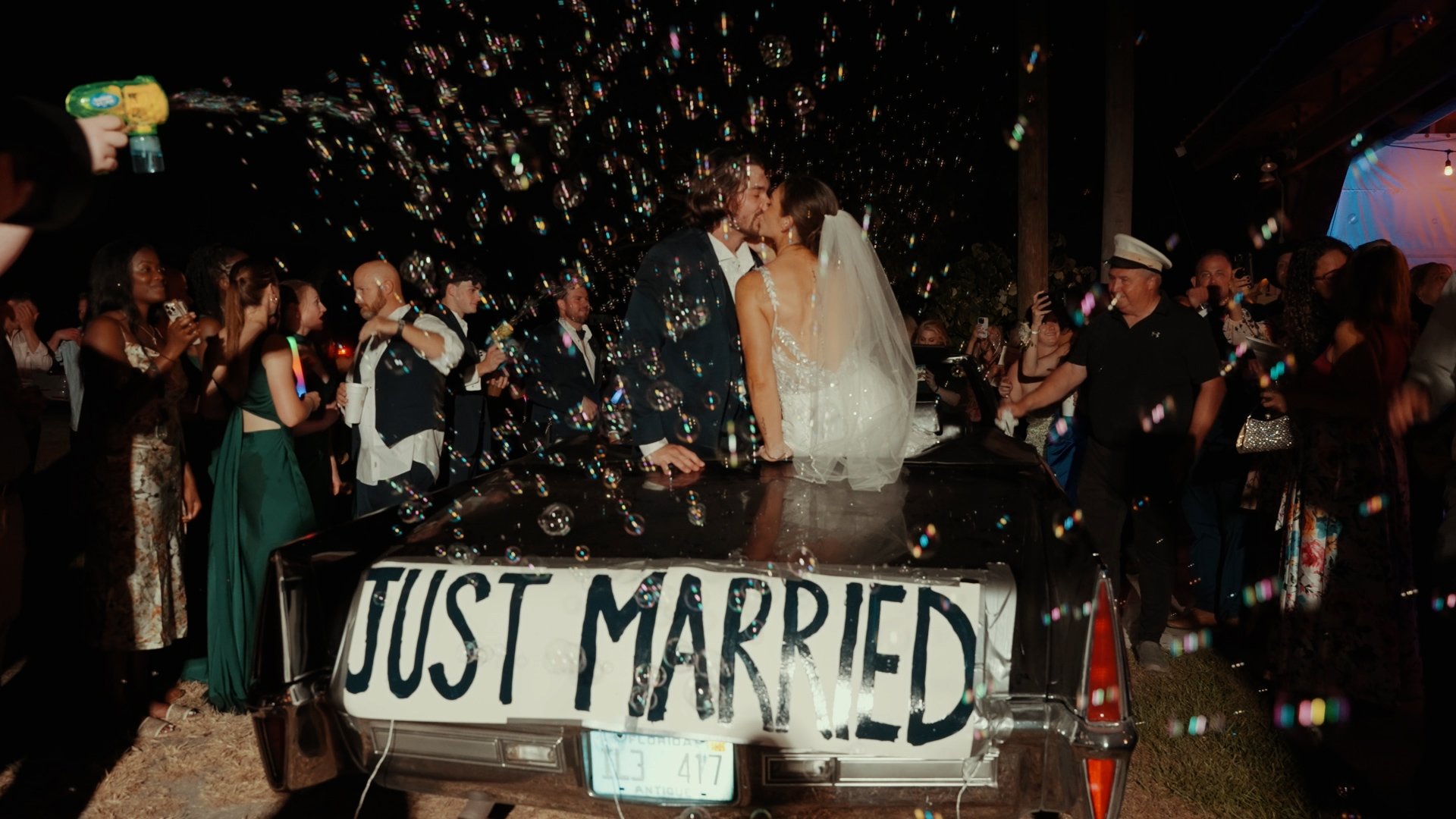
The Story-First Wedding Film: A Practical Guide to Capturing Real Audio, Real Moments, and Real Emotion
If you’ve ever watched a wedding film that looked amazing but somehow felt like nothing… it’s usually missing one thing: real audio. A story-first wedding film is built around your voices—vows, letters, speeches, and the little unscripted comments that make the day feel alive. This guide breaks down what “story-first” actually means, what to ask before you book a videographer, and how to set your timeline up so your film captures real moments and real emotion (without turning your wedding into a production).
If you’ve ever watched a wedding film that felt like a movie trailer (pretty shots, pretty music, zero you)… you already know the problem.
A story-first wedding film isn’t about collecting “cool clips.” It’s about capturing the real voices, the real energy, and the moments you didn’t even realize mattered until you see them back.
What “story-first” actually means
A story-first film is built around:
Your voices (vows, letters, speeches, little side comments)
Your relationships (parents, friends, the people who shaped you)
The flow of the day (not just the ceremony)
Emotion + context (why the moment mattered, not just what it looked like)
Pretty visuals are still part of it—but they’re supporting the story, not replacing it.
Real audio is the cheat code
If you want a wedding film that punches you in the feelings (in the best way), audio is everything.
Here’s the audio that makes a film feel real:
Vows (obviously)
Letter reads (quiet, personal, and insanely powerful)
Speeches/toasts (the best “story” content of the whole day)
Natural moments (a laugh, a shaky breath, a “you ready?”)
Pro tip: Ask your videographer how they capture audio
Not all videographers mic the same way. A story-first approach usually includes:
Mic’ing the couple (at least during ceremony, often more)
Capturing clean audio from the officiant and DJ/soundboard
Having backup audio options (because weddings are chaos)
If they can’t clearly explain their audio plan, that’s a yellow flag.
The moments that matter most usually happen around the big moments
Everyone expects the ceremony and first dance to be emotional.
But the stuff that hits hardest is often:
The deep breath right before walking out
A parent seeing you dressed for the first time
A friend fixing your veil while cracking jokes
The “we did it” look after the ceremony
The hug you didn’t know you needed
A story-first shooter is watching for before and after moments—not just the “main event.”
How to set your day up for a better film (without turning it into a production)
You don’t need to stage your wedding. You just need to give your story room to happen.
1) Build in breathing room
If your timeline is packed to the minute, your film will feel rushed.
Add 10–15 minutes of buffer around key parts of the day
Don’t schedule portraits in the exact same window as family drama (it will happen)
2) Choose a getting-ready space with good light and low clutter
This is not about being “Pinterest perfect.” It’s about not filming your vows next to a pile of Amazon boxes.
Pick a room with natural light
Keep one corner clean for dress/suit details
3) Plan a quiet moment for letters or private vows
This is where the real story comes out.
5–10 minutes, just you two (or separate letter reads)
No crowd, no rushing, no interruptions
4) Tell your DJ what matters
Your DJ controls the room. If they’re on the same page, your film gets better.
Ask for a clean audio feed for ceremony + speeches
Make sure speeches happen in a spot where people can actually hear them
What to ask before you book a videographer
If you want a story-first film, ask questions that reveal how they think.
“How do you capture audio throughout the day?”
“Do you film moments before and after the ceremony?”
“What do you do when timelines run late?”
“How do you help couples feel comfortable on camera?”
“What’s your approach to editing—music-first or story-first?”
The best answer won’t be fancy. It’ll be clear.
The bottom line
A wedding film should feel like you, not a highlight reel of random pretty shots.
If you want something you’ll actually rewatch (and ugly cry to), prioritize:
Real audio
Real moments
A videographer who’s paying attention to the story, not just the aesthetics
If you want, tell me your wedding vibe (big party, intimate, church, destination, etc.) and I’ll suggest a simple timeline tweak that makes your film way stronger.
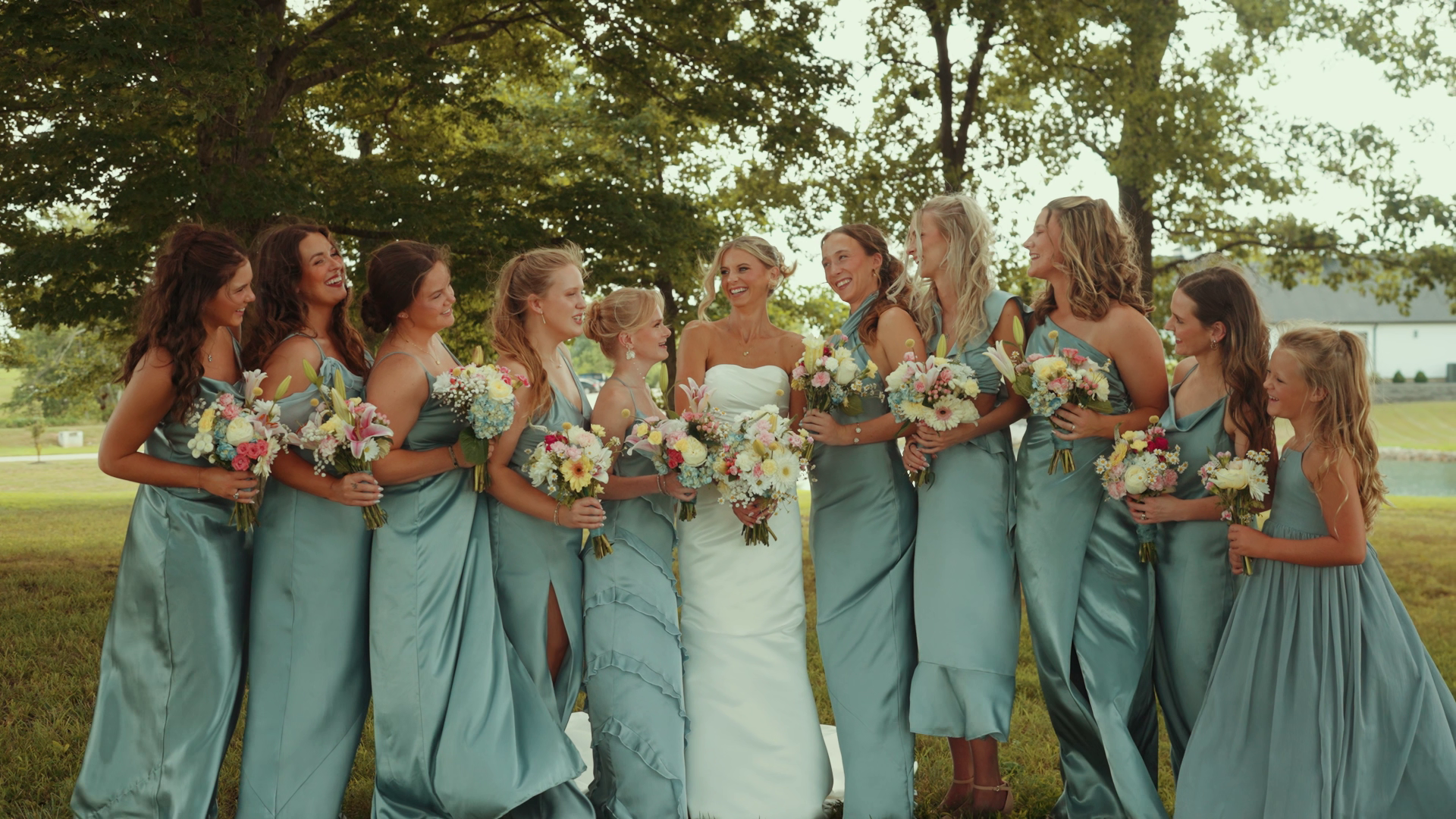
How to Choose a Wedding Videographer (Without Regretting It Later): 7 Questions to Ask Before You Book
Choosing a wedding videographer isn’t just about a pretty highlight reel—it’s about getting a film that actually feels like your day. Here are 7 questions to ask before you book (including the big ones most couples forget), so you don’t end up with a video that looks nice but hits you with zero emotion.
You’re about to spend thousands on a wedding day that’s going to fly by in about 12 minutes. So yeah—choosing a videographer matters.
A highlight reel can look pretty on Instagram. But a good wedding film? It makes you feel the day again. The nerves. The laughs. The shaky “I do.” The stuff you didn’t even notice happening.
Here are 7 questions to ask before you book—so you don’t end up with a video that looks nice but feels like nothing.
1) Can I watch 2–3 full films (not just highlights)?
Highlights are the trailer. Full films show the truth.
Ask to see full wedding films from start to finish. You’re looking for:
Audio quality (can you actually hear vows and speeches clearly?)
Story flow (does it feel like their day or a generic template?)
Consistency (do the “slow parts” still feel intentional?)
2) How do you capture audio all day?
If audio is bad, the film is bad. Period.
Ask what they mic:
Bride
Groom
Officiant
DJ / soundboard
And ask when they start recording audio. If they only mic during the ceremony, you’re missing half the emotional moments.
3) What’s your filming style on the wedding day?
Some videographers are invisible. Some are more hands-on.
Neither is “wrong,” but you should know what you’re signing up for. Ask:
Will you direct us during portraits?
Do you stage moments?
How do you handle tight timelines?
You want someone who can keep you comfortable without turning your day into a movie set.
4) Who is actually showing up to film?
This one’s huge.
Some companies sell you on one person and send someone else. Ask:
Will you personally be there?
If there’s a second shooter, who are they?
How long have you worked together?
Your wedding day isn’t the time for “we just met in a Facebook group.”
5) What’s included—and what costs extra?
Get clear on deliverables and add-ons.
Ask for specifics:
Hours of coverage
Film length (and what that means)
Drone (and weather/venue restrictions)
Full ceremony/speeches
Raw footage
Delivery method and timeline
If it’s vague, it’s usually expensive later.
6) How do you handle revisions?
Every couple has different taste. A good videographer expects that.
Ask:
How many revisions are included?
What counts as a revision (music? pacing? swapping scenes?)
How long do revisions take?
You want a process that’s clear and fair—no drama.
7) What happens if something goes wrong?
Not fun to think about, but it matters.
Ask about:
Backup cameras and audio recorders
Dual SD card recording
Insurance
Data backup plan
Pros plan for problems before they happen.
Final tip: choose the person, not just the portfolio
You’re going to spend a lot of your wedding day around your videographer. If you don’t vibe with them, you’ll feel it in the footage.
If you want, I can help you compare two videographers you’re considering—just send their websites/Instagram and tell me what kind of wedding vibe you’re going for.
From Inquiry to ‘I Do’: A Wedding Videographer’s Lead-Response System That Books More Couples (Without Feeling Salesy)
Most couples don’t book the “best” wedding videographer—they book the one who makes the decision feel easiest. This lead-response system helps you reply fast without sounding salesy, clearly communicate what makes you different (before you ever talk price), and guide couples into a quick call with low-friction next steps. If you’ve got inquiries coming in but bookings feel inconsistent, this is the simple structure that turns “just checking availability” into paid dates on your calendar.
Why speed + clarity wins (even more than “perfect” words)
Most couples aren’t comparing 20 videographers. They’re comparing the 3–5 who made them feel seen the fastest. Your goal isn’t to “close” them—it’s to remove uncertainty.
A strong lead-response system does three things:
Confirms you’re available (or not) quickly
Shows what working with you feels like
Gives a clear next step that’s easy to say yes to
Step 1: Reply fast with a 3-part message
Aim for a reply within a few hours (same day at worst). Use this structure:
Warmth: thank them + mirror their vibe
Clarity: confirm date/venue coverage + what you specialize in
Next step: link to a quick call
Example:
“Preciate you reaching out—congrats!! When’s the date + where are y’all getting married?”
“I’m story-first and I mic you up so your film sounds like it felt.”
“If you’re down, here’s a quick link to hop on a 20-30 min call.”
Step 2: Don’t dump prices—anchor value first
If you lead with numbers, you train them to shop you like a commodity. Instead:
Share packages (what’s included) before price details
Use 2–3 bullets that highlight what makes you different
Try:
“Most couples choose between a Highlight or Featurette depending on how much of the day they want captured.”
“Either way: pro audio all day, multiple cameras, and a film that’s built around your story—not trends.”
Step 3: Use a “micro-commitment” CTA
Big asks create friction. Small asks create momentum.
Low-friction CTAs:
“Want me to send over the package guide?”
“You want a quick call today or tomorrow?”
“What matters most to y’all: vows, speeches, or the party?”
Step 4: Follow up like a human (not a robot)
Most bookings happen after follow-up #2 or #3. Keep it short, specific, and helpful.
Follow-up schedule:
24 hours: “Just making sure you got the info—any questions?”
3 days: send one helpful tip (timeline, audio, first look, etc.)
7 days: “Still interested or did you lock someone in?”
Step 5: Track the 5 numbers that actually matter
You don’t need a fancy dashboard. Just track:
Leads per week
Response time
Consults booked
Booking rate
Average booking value
If your leads are solid but consults are low, your CTA is the issue. If consults are high but bookings are low, your call structure or offer clarity needs work.
Quick checklist (save this)
Reply same day
Ask 1–2 questions that show you care
Confirm availability
Share your “why you” bullets
Offer a simple next step
Follow up 3 times max, human-style
Closing thought
You don’t need to be pushy. You need to be clear. Couples don’t book the “best” videographer—they book the one that feels like the safest, easiest yes.
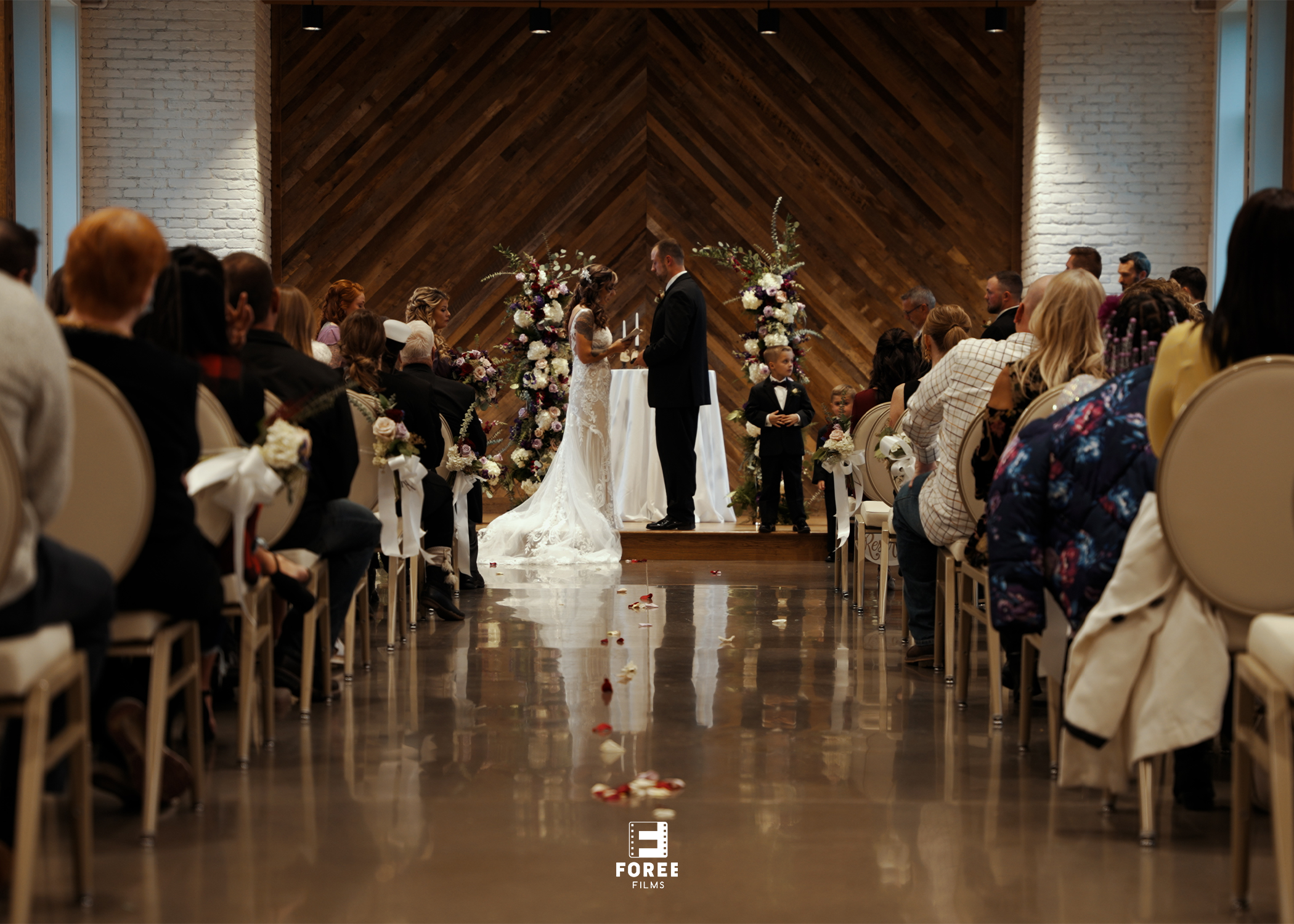
How We Capture Every Emotion: The Power of Multi-Camera Wedding Films
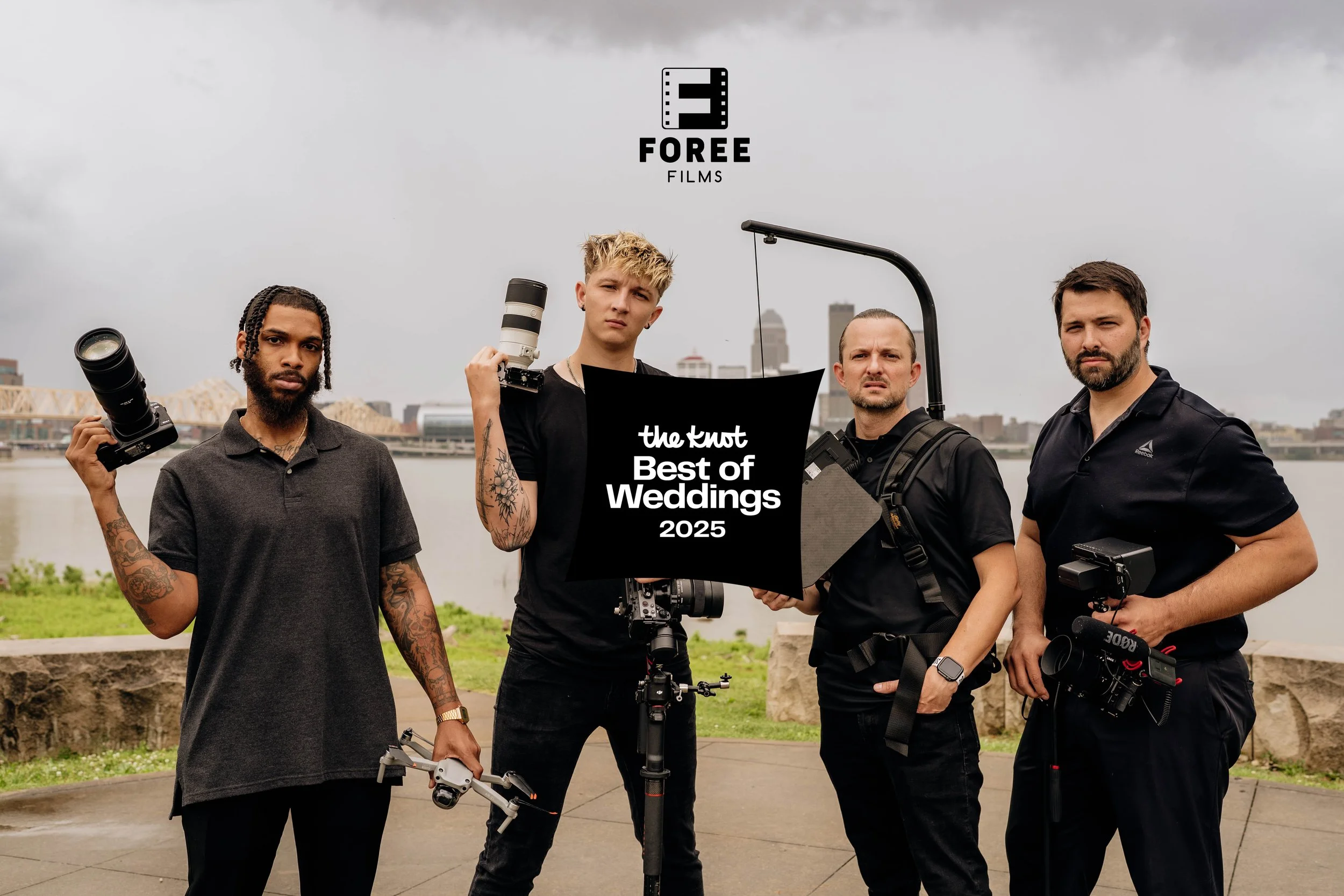
At Foree Films, we believe every angle tells part of your love story. Our multi-camera wedding films capture every smile, tear, and heartfelt glance — so when you relive your day, you’ll feel every emotion all over again. Discover how cinematic, multi-camera storytelling turns your wedding film into an unforgettable experience.
Introduction
Your wedding day moves fast — emotions running high, laughter filling the air, and love in every glance. But in all that beauty, no single camera can capture everything. That’s where multi-camera wedding films come in.
At Foree Films, we use multiple cameras to ensure every tear, smile, and unexpected moment is preserved in cinematic detail. Because your story isn’t one-dimensional — it’s layered, emotional, and worth telling from every angle.
In this post, we’ll break down how multi-camera filmmaking enhances storytelling, pacing, and emotion — and why it’s one of the most powerful ways to relive your wedding day.
Every Emotion, Every Angle
Weddings are filled with once-in-a-lifetime moments — your partner’s tearful smile, your parents’ reactions, your best friend’s laughter from across the room. One camera might catch the kiss, but it could miss the emotion happening all around it.
That’s why we use multi-camera coverage — to film every expression, from multiple perspectives. When you watch your film, you’ll not only see what happened — you’ll feel it again.
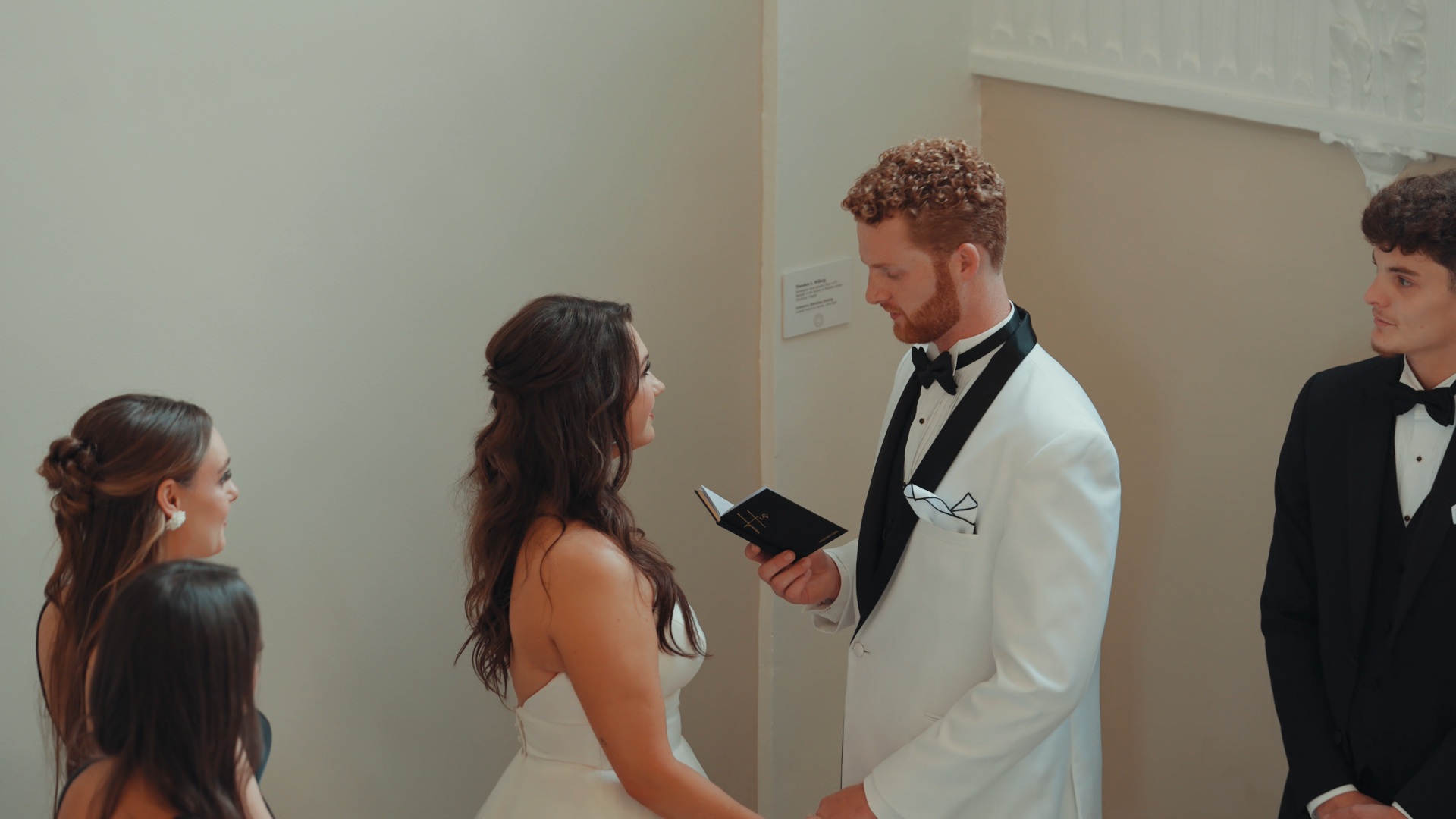
“Groom reads heartfelt vows to his bride during their wedding ceremony while bridesmaids and groomsman look on.”
Seamless Storytelling and Flow
Multi-camera filming allows us to move between moments naturally — from your vows to your first kiss to the laughter right after. Each camera captures part of the scene, giving our editors the freedom to create a rhythm that feels alive and cinematic.
The result? A film that flows effortlessly, just like the emotions on your wedding day.
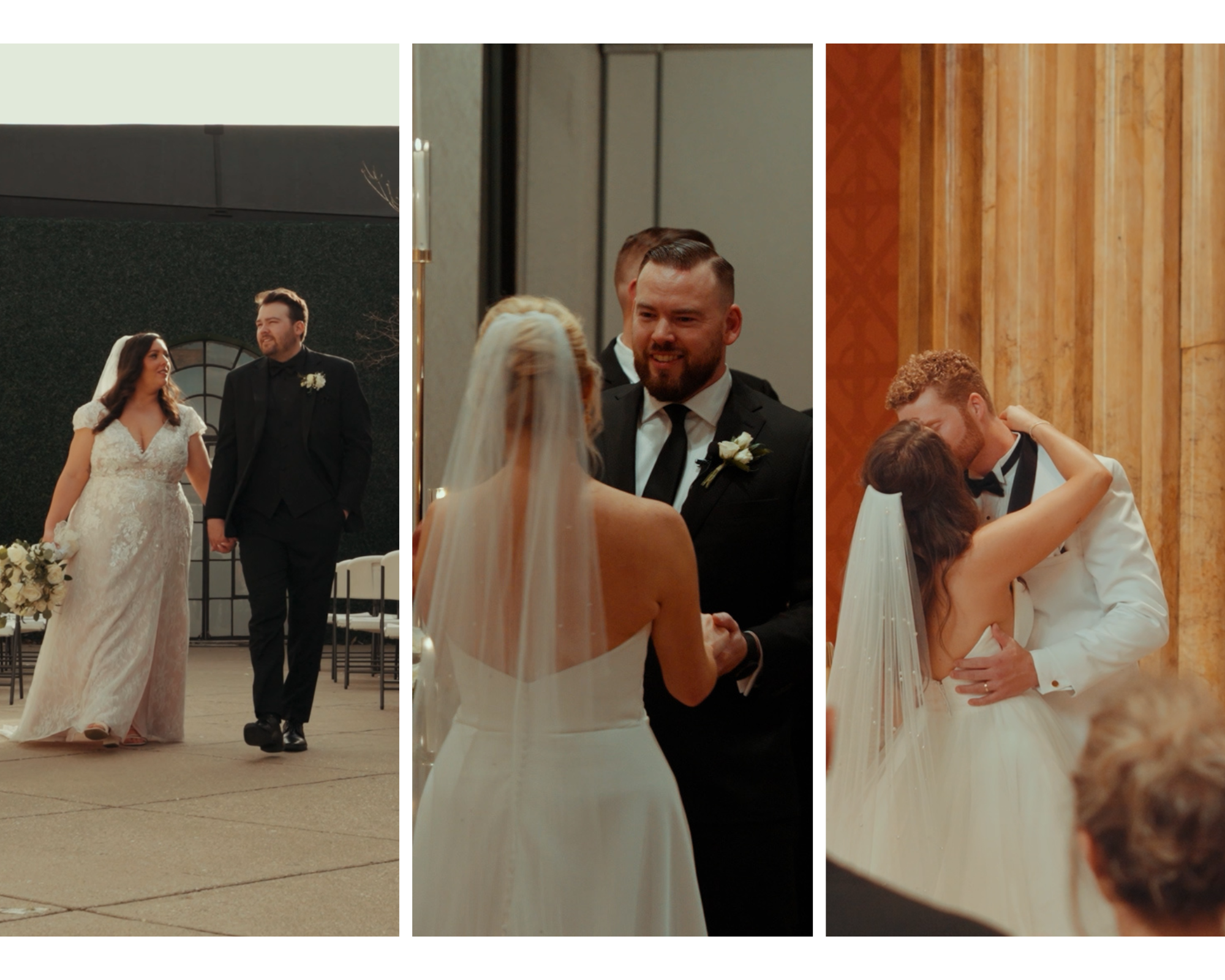
“A collage of wedding moments showing couples walking down the aisle, sharing their first dance, and sharing a kiss during the ceremony.”
Creative Cinematic Perspectives
Each camera brings a unique point of view:
One captures sweeping wide shots of your venue and guests.
Another focuses on close-up, intimate expressions.
A third might stay on candid laughter or behind-the-scenes moments.
These layers of perspective allow us to tell your story in a visually dynamic, emotionally powerful way — like a real movie starring you.
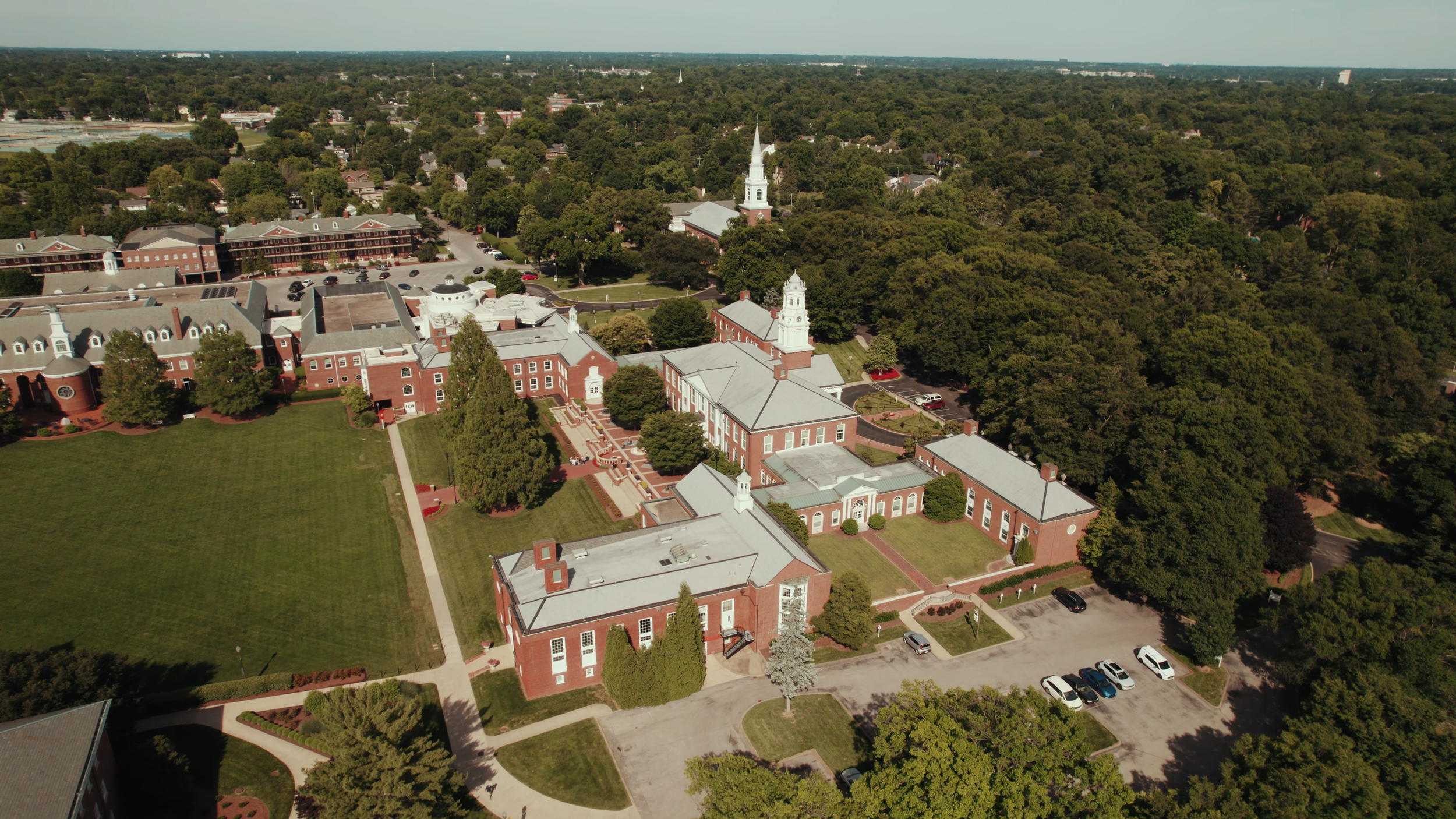
“Aerial drone view of a historic brick campus surrounded by lush green trees, featuring red-brick academic buildings, pathways, and a central courtyard on a sunny day.”
Backup and Peace of Mind
Beyond storytelling, multiple cameras give you security. If one camera misses a moment or has a technical hiccup, another camera has it covered. You’ll never lose a shot — not your vows, not your first kiss, not your dad’s toast.
With multi-camera coverage, you can fully relax and be present — knowing your memories are safe from every angle.
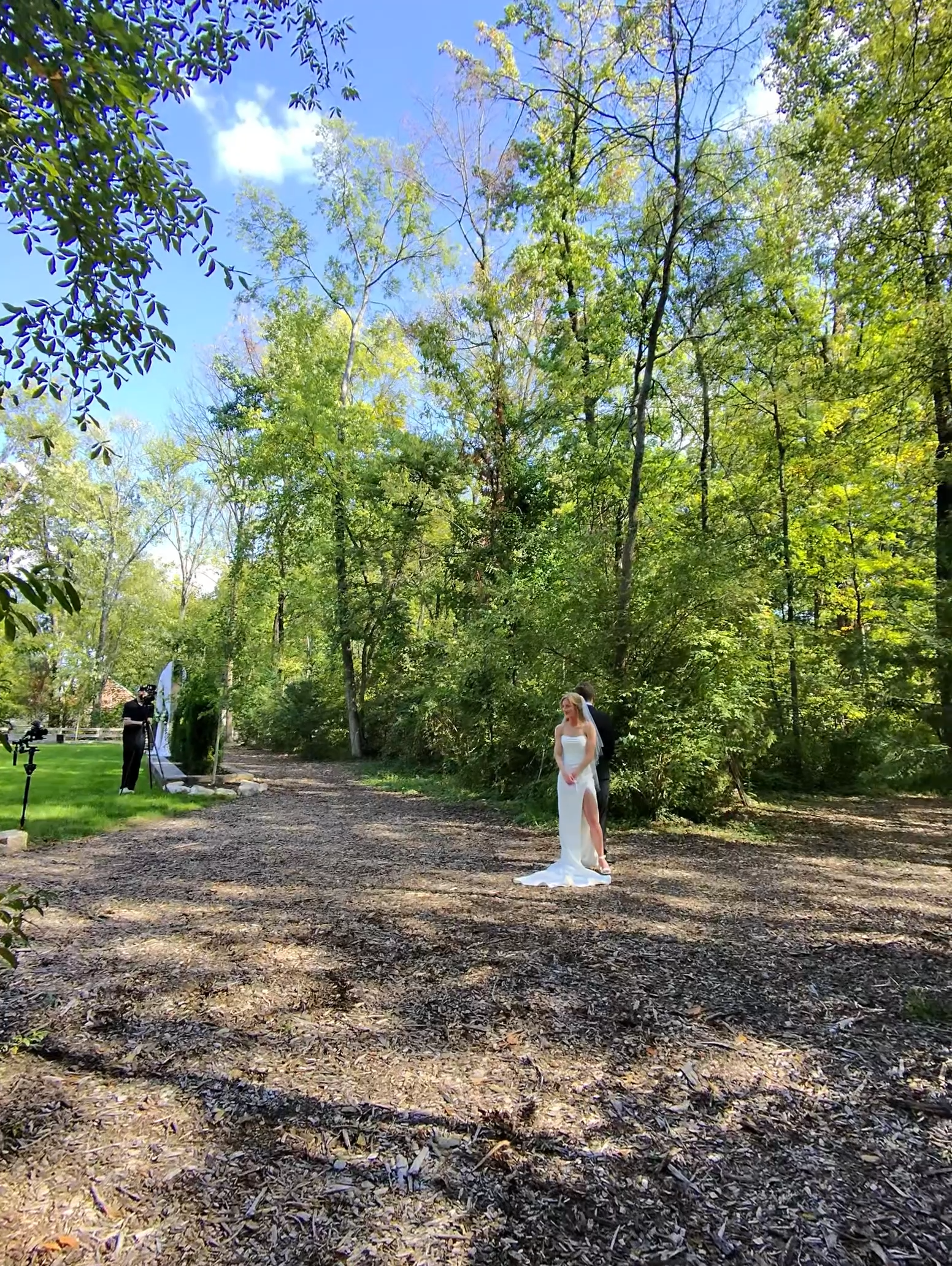
“Behind-the-scenes shot showing two or three cameras on tripods capturing the ceremony.”
Bringing It All Together
When we edit these angles together, something magical happens: your story comes alive. You see your wedding through your eyes, your partner’s, and your guests’ — all at once.
It’s more than footage. It’s a cinematic experience that helps you feel your day again — not just watch it.

“Bride and groom watching their wedding film together on a laptop, smiling and emotional.”
Why It Matters for Your Story
At Foree Films, we don’t just document weddings — we interpret them. Each camera helps us uncover a new layer of your love story.
We ask: What makes your connection unique? What moments truly define your day? What emotions will matter most decades from now? Then we craft a film that answers those questions visually, beautifully, and truthfully.
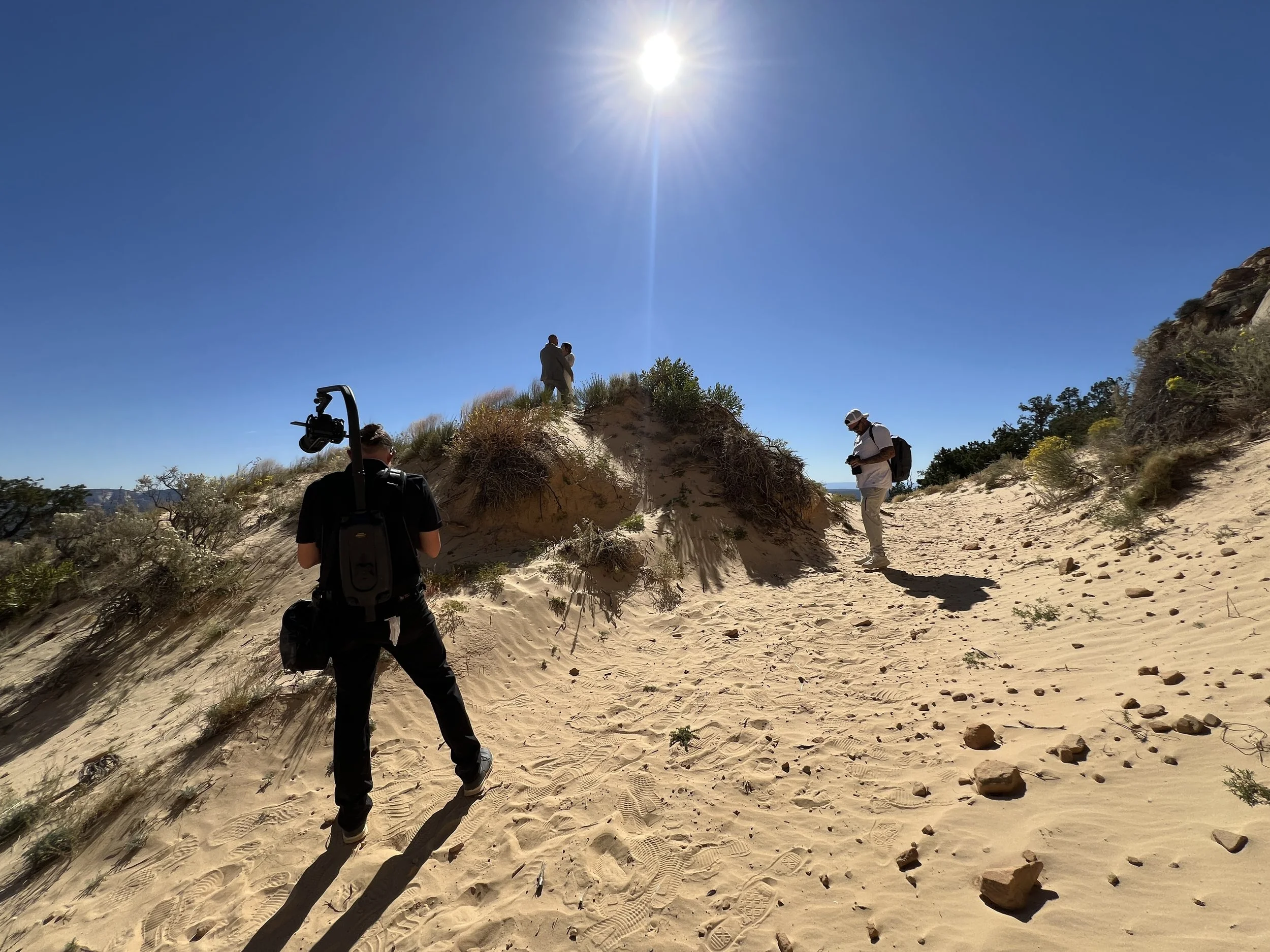
“Foree Films videography team filming a wedding couple during golden hour.”
Final Thoughts
Your wedding day is more than a series of moments — it’s a story full of heart, depth, and feeling. A multi-camera wedding film ensures you’ll never forget how it all felt.
If you’re ready to capture your love story in a way that’s as authentic and emotional as your day — we’d love to connect with you.
🎬 Book a consultation call or schedule your wedding film experience today.
👉 Book Your Consultation
How We Captured the Most Epic First Look Ever
A wedding first look should feel private, emotional, and real—not staged for a crowd of phones. In this behind-the-scenes breakdown, we share exactly how we filmed one of the most epic first looks we’ve ever captured, from choosing a cinematic location and protecting the timeline to miking both partners for crystal-clear audio. If you want a first look that hits you right in the chest and looks like a movie, this is how we do it.
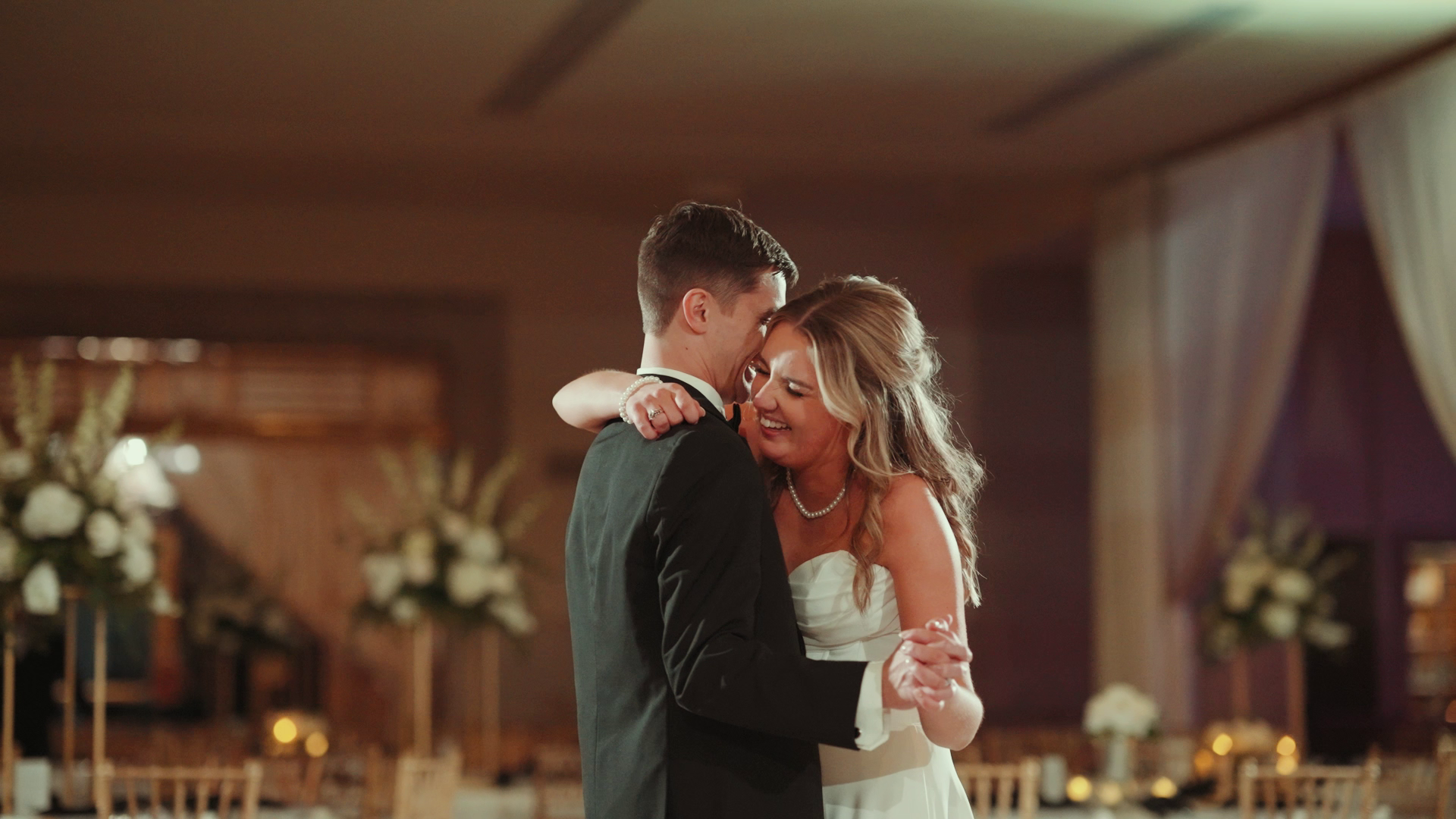
If you’ve ever wondered why some “first look” moments hit you right in the chest (and others feel a little… staged), it usually comes down to one thing: intention. Not just where it happens, but how it’s planned, how it’s filmed, and how comfortable the couple feels in the moment.
Here’s a behind-the-scenes look at how we captured one of the most epic first looks we’ve ever filmed—and how you can set yours up to feel natural, emotional, and cinematic.
What made this first look so epic
This wasn’t epic because it was loud or over-the-top. It was epic because it felt real.
A few things lined up perfectly:
The couple wanted privacy (not a crowd with iPhones)
They trusted the process and didn’t overthink it
We built space into the timeline so nobody was rushed
Audio was dialed in so you could actually hear the emotion
That combo is the secret sauce.
Step 1: We chose a location that felt cinematic and quiet
The best first look spots do two jobs:
Look good on camera (clean background, good light, depth)
Feel good in real life (private, not chaotic, not a tourist walkway)
We looked for:
Open shade (no harsh sunlight making you squint)
A simple background (greenery, architecture, or a clean hallway)
Enough space to shoot wide and tight without being in your face
Pro tip: If the venue has a “pretty” spot that’s also the main foot-traffic area… it’s probably not the move.
Step 2: We built a timeline that protected the moment
If your first look is squeezed between hair/makeup running late and somebody yelling “WE NEED YOU FOR PHOTOS,” it’s going to feel stressful.
We recommend:
10 minutes to get into position (no rushing)
5 minutes for the actual first look (let it breathe)
10–15 minutes after for private vows, hugs, and “oh my gosh you look insane” moments
That extra time after is where the real gold happens.
Step 3: We mic’d both of them (yes, both)
This is a big one. A first look isn’t just visuals—it’s what’s said.
We mic the bride and groom so we can capture:
The shaky “hey…”
The laugh-cry
The little jokes you’ll forget you even said
The quiet “you look beautiful” that you want to remember
If you’ve ever watched a wedding film where the first look is just music and slow motion… that’s usually an audio issue, not a style choice.
Step 4: We shot it like a movie, not a surveillance camera
We’re not just standing 20 feet away zooming in.
We typically cover a first look with:
A wide shot to set the scene and show the full moment
A tight shot for faces and reactions
A moving shot (slow, intentional motion) to add that cinematic feel
And we do it while staying out of your space. You should feel like it’s just you two.
Step 5: We gave them simple direction (and then got out of the way)
Most couples don’t need choreography. They need permission to be present.
We’ll say something like:
“Take your time walking up.”
“When you tap them, just pause for a second.”
“After you see each other, don’t worry about us—talk to each other.”
That’s it. No forced posing. No awkward “hold that smile.”
Step 6: Editing made it hit even harder
In the edit, we built the moment the way it felt.
We usually:
Start with anticipation (the walk up, the breath, the nerves)
Layer in real audio (the first words matter)
Use music that supports the emotion, not overpowers it
Let reactions play out (no cutting it too fast)
That’s how you get a first look that feels like you’re right back in it.
Want a first look that feels like you?
If you’re planning your day and you want a first look that’s private, emotional, and filmed in a way that feels cinematic—not cheesy—let’s talk.
You bring the story. We’ll bring the cameras, the audio, and the calm energy to make it all feel easy.
5 Tools Every Wedding Filmmaker Needs in 2026
Wedding films live or die on two things: moments and audio. You can shoot the cleanest footage in the world, but if the vows are muffled or the speeches clip and distort, the emotion falls flat fast—and couples feel that immediately.
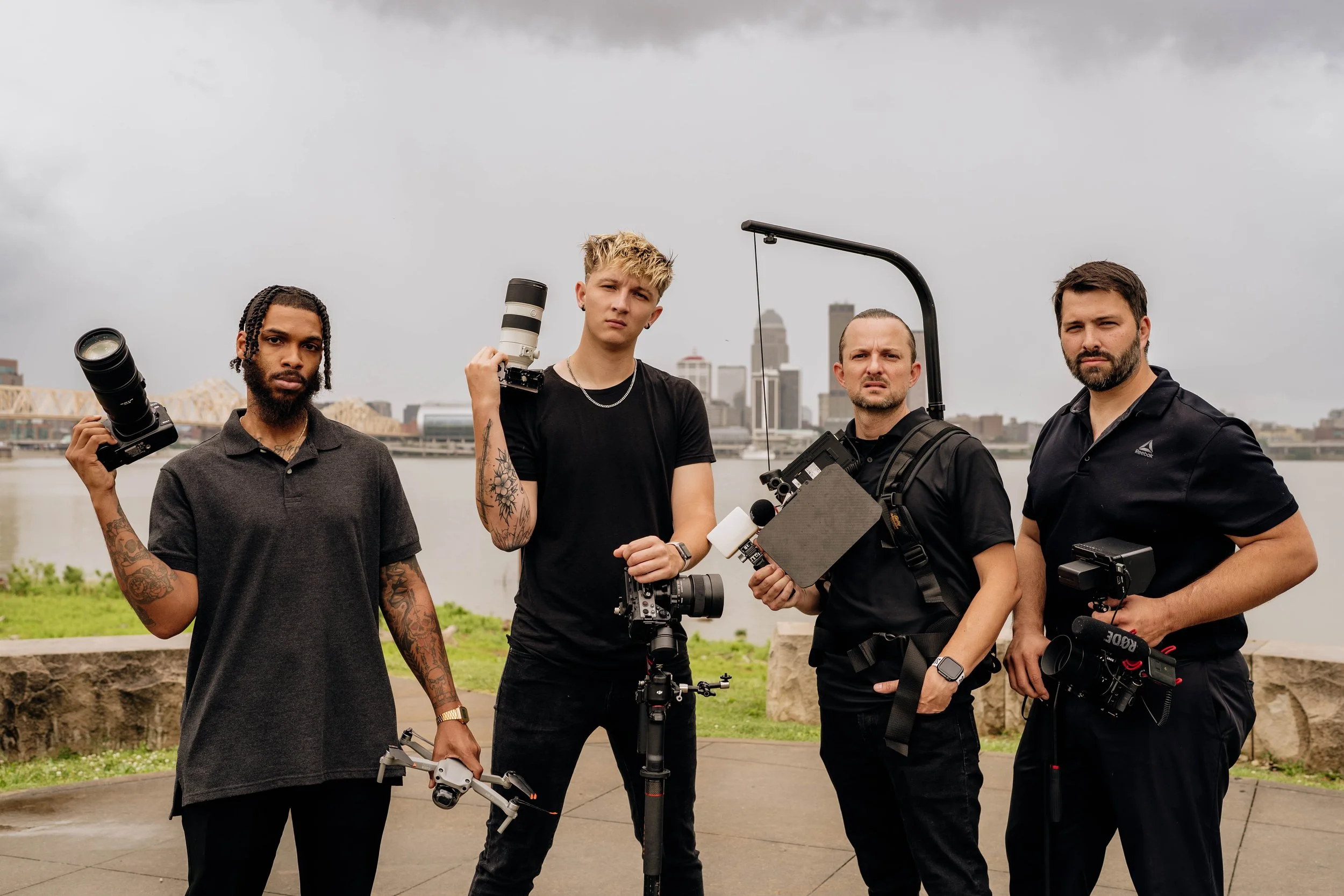
That’s why this isn’t a giant “gear dump.” These are the 5 tools every wedding filmmaker needs in 2026—the upgrades that actually protect you on a long wedding day, reduce stress, and make your edits smoother (and faster). From a no-fail wedding audio setup with backups, to dual-card recording and same-day media backups, to stabilization and reception lighting that makes your films look expensive, this list is built for real-world wedding coverage—not YouTube fantasy kits.
If you want more consistent, premium results without adding chaos to your workflow, start here. Because in 2026, the best wedding videographers aren’t just creative—they’re reliable, and their systems prove it.
Wedding films live or die on two things: moments and audio. You can have the cleanest shots in the world, but if vows are muffled or speeches peak and distort, your film loses the emotion fast.
So instead of a giant gear list, here are five tools that actually move the needle for wedding filmmakers in 2026, the stuff that protects you on a long wedding day and makes your edits smoother.
1) A no-fail ceremony + vows audio stack (with backups)
If you only upgrade one thing this year, make it audio redundancy.
What to build into your kit:
2 wireless lavs (one for each of you, or groom + officiant)
A small recorder for the officiant (or as a hard backup)
A recorder for DJ/board feed plus an attenuator/cable options
Extra batteries, gaff tape, and a tiny pouch that always stays packed
Why it matters in 2026: Couples remember what they heard as much as what they saw. Clean vows = instant premium feel.
2) Dual-card recording + a same-day dump system
Weddings don’t give you do-overs. Your media workflow needs to be boring and consistent.
A simple, safe approach:
Cameras that record to dual cards (or at least your A-cam does)
A fast SSD for on-site or same-night offload
A second drive clone at home
Cloud backup for finals (and your project files if you can swing it)
Why it matters in 2026: The best wedding filmmakers aren’t just creative, they’re reliable.
3) A stabilization setup that matches the pace of a wedding day
You need to move fast, stay smooth, and not destroy your back.
Most wedding kits should include:
A gimbal (for entrances, exits, dance floor energy)
A monopod or lightweight tripod (for ceremony + speeches)
A quick-release system so you’re not fighting plates all day
Why it matters in 2026: Couples want cinematic movement and clean documentary coverage. The right support tools let you do both.
4) Lighting that makes receptions look expensive (without being annoying)
Reception lighting is where a lot of films fall apart. You don’t need to blind people, you just need control.
A practical reception lighting kit:
1, 2 compact LED lights you can place quickly
Diffusion/softening options
Light stands that set up fast and don’t take up half the room
Why it matters in 2026: Better reception lighting = better skin tones, cleaner focus, and a film that feels intentional instead of, we survived.
5) An editing workflow built for weddings (templates, not vibes)
The goal is to deliver consistently great films without every project taking over your life.
Workflow tools that save hours:
A repeatable folder structure per wedding
Timeline templates (highlight, teaser, doc edit)
A consistent audio cleanup chain (EQ, compression, limiter)
Auto-captioning for social teasers
A shot list / story beats checklist so you don’t miss the emotional moments
Why it matters in 2026: Turnaround expectations keep getting tighter. Templates protect your time and your quality.
Quick recap
Here are the five tools again:
A no-fail ceremony + vows audio stack (with backups)
Dual-card recording + a same-day dump system
Stabilization that matches the pace of a wedding day
Reception lighting that makes it look expensive
An editing workflow built for weddings
Want a kit recommendation based on your style?
Tell me what you shoot most (big ballroom weddings, barns, churches, outdoor ceremonies) and what your current camera setup is, and I’ll suggest a practical upgrade path that fits your budget, no random gear you’ll regret buying.
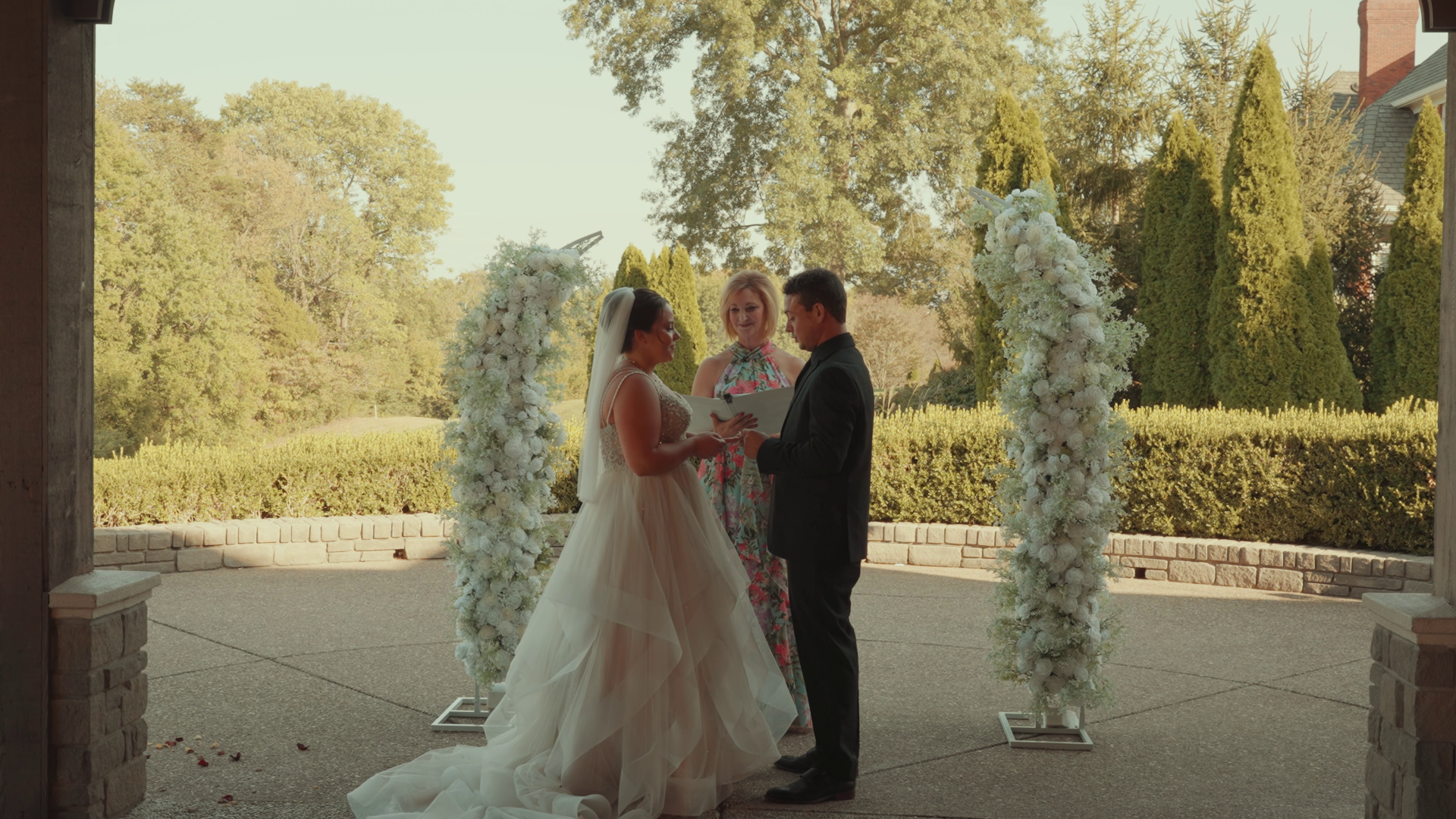
3 Scientific Reasons You Cry at Vows
If you’ve ever wondered why you cry during wedding vows, you’re not alone — and you’re definitely not “too emotional.” Wedding vows hit hard because your brain and body read them as a high-stakes moment of connection. Between attachment bonding, nervous system release (yes, even happy stress is still stress), and empathy-driven mirror neurons, it’s completely normal to tear up when you hear two people promise their lives to each other. In fact, the reason vows feel so emotional is the same reason they make such powerful audio in a wedding film: they capture real love, real vulnerability, and the exact words you’ll want to hear again years from now.
You’re standing there, trying to keep it together… and then the vows hit. Suddenly your throat tightens, your eyes burn, and you’re doing that “I’m fine” sniffle while everyone pretends not to notice.
Good news: you’re not “too emotional.” You’re human. And there are a few legit, science-backed reasons vows make even the toughest people cry.
1) Your brain is reading the moment as high-stakes connection
When you listen to vows, your brain isn’t processing them like normal words. It’s reading them as a major attachment moment — a public, permanent “I choose you.”
That kind of connection activates the parts of your brain tied to bonding and safety. For a lot of people, tears show up when the body feels something big and true — especially when it’s love mixed with vulnerability.
Why it hits so hard at weddings:
You’re witnessing commitment in real time
You’re seeing two people be emotionally exposed
Your brain clocks it as “this matters”
2) Your nervous system is releasing pressure (happy stress is still stress)
Weddings are joyful, but they’re also intense. Even if you’re just a guest, your body is taking in a lot: music, anticipation, crowds, family dynamics, and the emotional build-up.
Tears can be your nervous system’s release valve. It’s the same reason you might cry after a big win, a deep conversation, or finally exhaling after a hard season.
In simple terms: you’re not breaking down — you’re regulating.
3) Mirror neurons make you feel what they feel
Humans are wired for empathy. Your brain has “mirror neurons” that help you emotionally sync with other people. When you watch someone’s voice crack, see their hands shake, or notice them fighting tears, your brain starts echoing that emotion.
That’s why vows can feel personal even when you barely know the couple.
You’re not being dramatic. You’re literally built to connect.
Bonus: vows often trigger your memories
Science aside, vows also pull old stories to the surface:
Your own relationship
A breakup you healed from
A person you miss
A season you survived
The kind of love you hope for
Tears aren’t always about what’s happening — they’re about what it means.
What this means for your wedding film (and why it matters)
If you’re writing vows right now, here’s the coolest part: those tears? They’re proof you’re creating something real.
And if you’re investing in a wedding film, vows are the emotional backbone. They’re not “just audio.” They’re the story. They’re the part you’ll want to hear 10 years from now when life is loud and busy and you need a reminder of what you promised.
Quick tips if you don’t want to sob through your vows
You don’t have to be stone-faced — but if you want to stay readable:
Practice out loud (not just in your head)
Breathe before each paragraph
Pause when your voice shakes
Look at your partner’s forehead for a second if eye contact is too much
Give yourself permission to be emotional — fighting it makes it worse
Final thought
Crying at vows isn’t embarrassing. It’s your body saying, “This is love. This is real. Pay attention.”
If you want a wedding film that keeps the vows front and center — the shaky voices, the laughs, the tears, all of it — that’s what I’m here for.
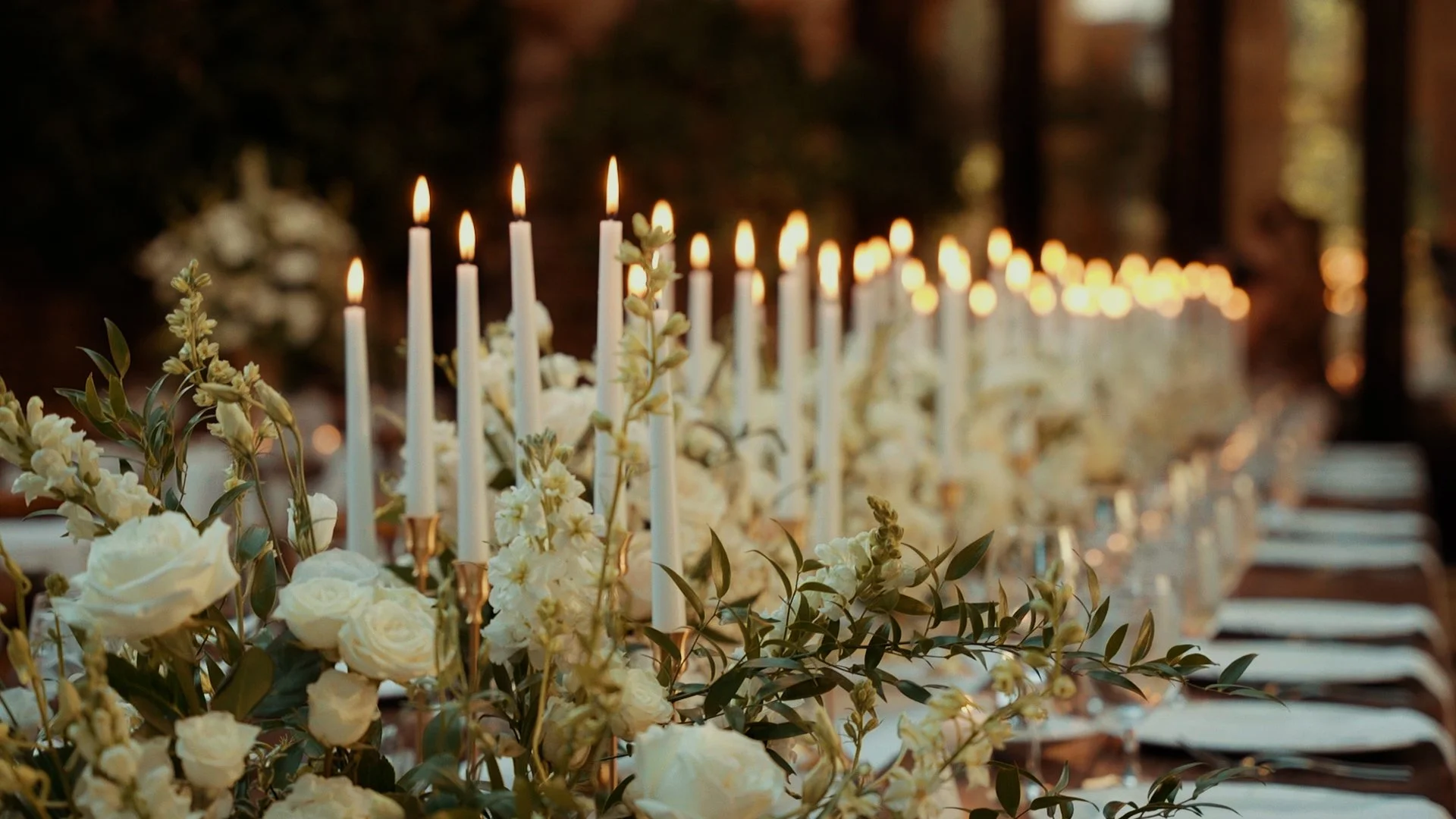
I Was Ready to Quit — Until This Message Came In
When I was ready to quit wedding filmmaking, one unexpected client message stopped me in my tracks. In this post, I share the real behind-the-scenes of running a wedding videography business in Louisville—burnout, doubt, and the reminder that cinematic wedding films aren’t just “content,” they’re legacy. If you’re a wedding videographer, creative entrepreneur, or a couple searching for a story-driven wedding video, this is the encouragement you didn’t know you needed.
There’s a moment every creative hits that nobody posts about.
Not the highlight reel. Not the “booked and busy” season. The quiet, late-night moment where you stare at your calendar, your bank account, your inbox… and you wonder if you’re actually built for this.
I hit that moment.
I was tired. Not “I need a nap” tired—more like soul tired. The kind that makes you question your work, your pricing, your talent, and whether anyone even notices the effort you’re putting in.
And if you’re a small business owner (or a wedding vendor), you already know the extra layer: when things slow down, it doesn’t just feel like a business problem. It feels personal
The quitting thoughts don’t show up out of nowhere
For me, it wasn’t one big disaster. It was a pile-up of little things:
Editing late into the night, again
Second-guessing every creative choice
Comparing my work to people who seem to have it all figured out
Wondering if I should just get a “normal job” and stop stressing
Feeling like I’m always behind—on emails, on timelines, on life
And the worst part?
I started telling myself a story: Maybe I’m not good enough. Maybe this isn’t working. Maybe I should quit before I embarrass myself.
That story is convincing when you’re exhausted.
Then the message came in
I wasn’t expecting anything. It was just another day of trying to push through.
Then my phone buzzed.
A message from a client.
Not a problem or a revision request — just a simple, heartfelt message that hit me at the perfect time.
It was the kind of message that stops you in your tracks.
The kind that reminds you your work isn’t just content.
It’s memory.
It’s legacy.
It’s proof that someone’s best day mattered enough to be told well.
I’m not going to share the exact words here (some things feel sacred), but the meaning was loud and clear:
“Thank you. You captured something we didn’t even realize we’d want to remember.”
Why that one message hit so hard
When you’re deep in the work, it’s easy to lose sight of the impact it’s actually having.
You start thinking your value is:
How fast you deliver
How many weddings you book
How clean your transitions are
How trendy your edits feel
How many views your reel gets
But the real value is simpler:
You were there.
You noticed the moments.
You preserved the stuff that disappears if nobody captures it.
And sometimes, the people you served don’t realize how much that matters until later.
The truth about “quitting”
A lot of the time, when we say we want to quit… we don’t actually want to quit.
We want relief.
We want a break.
We want to feel like our effort is worth something.
We want to stop carrying the pressure alone.
That message didn’t magically fix my schedule or my stress.
But it did something more important:
It reminded me why I started.
If you’re in that season right now
If you’re reading this and you’re in your own “I’m done” moment, here’s what I want you to hear:
You’re not weak for feeling it.
You’re not behind because you’re tired.
And you’re definitely not the only one who’s ever thought about walking away.
Before you make a permanent decision in a temporary season, try this:
Zoom out. Look at the work you’ve done in the last year. Not just the numbers—look at the people you served.
Get honest about what’s burning you out. Is it pricing? Boundaries? Over-delivering? Lack of systems?
Ask for proof. Go read old reviews. Rewatch a film you’re proud of. Screenshot the kind messages.
Take one small step. Not a full reinvention. Just one step that makes next week easier.
You don’t need a motivational quote.
You need a reminder that your work matters.
The takeaway I’m keeping
I’m still going to have hard days.
But now I’m saving those messages.
Not for ego.
For fuel.
Because on the days I forget my own value, I want receipts.
And if you’re a client reading this—know this:
When you send a kind message to a small business owner, you might think it’s just a compliment.
Sometimes it’s the thing that keeps them going.
Want to share yours?
If you’ve ever gotten a message that hit you right in the heart—or if you’ve ever sent one—drop it in the comments or shoot me a note.
And if you’re in the middle of planning your wedding and you want a film that feels like you, I’d love to talk.

5 Storytelling Frameworks That Never Fail: A Wedding Cinematographer's Guide
What makes the difference between a good film and an unforgettable story? Drawing from years of experience filming at iconic Louisville locations like Churchill Downs and helping nonprofits raise over $75K through powerful storytelling, I've perfected five frameworks that consistently create magic. Whether you're planning a wedding or launching your next business campaign, these storytelling techniques will transform your video from a simple recording into a narrative that moves people to action. From the art of silent storytelling to the power of emotional peaks, discover how we craft films that don't just capture moments – they create lasting memories that resonate with audiences long after the final frame.
As a wedding and business cinematographer in Louisville, I've discovered something powerful: the most memorable films aren't just about beautiful shots – they're about storytelling frameworks that connect with viewers on an emotional level. After countless weddings, business stories, and even filming at iconic locations like Churchill Downs, I've refined these five frameworks that consistently create unforgettable moments.
1. The Hero's Journey
Every couple has their own epic love story. In wedding cinematography, we structure this timeless framework into three acts:
The Call to Adventure (morning preparations, nervous excitement)
The Journey (first look, ceremony, personal vows)
The Triumph (first kiss, celebration, sunset portraits)
This framework works because it mirrors how we naturally experience significant life moments. It's not just about capturing events; it's about showcasing the emotional transformation.
2. The Before/After Transformation
Some of our most powerful work comes from showing meaningful transitions. Recently, we captured On Top Roofing's craftsmanship story, following copper roofing from raw material to architectural masterpiece. As their owner Trini said, "These are all incredible! You are one heck of a creative genius!"
In weddings, this framework shines when we show:
Venue transformations from setup to reception
The bride's journey from preparation to aisle
Emotional transitions throughout the day
3. The Emotional Peaks
Great storytelling isn't linear – it's about creating rhythms that keep viewers engaged. We strategically place emotional moments throughout our films:
Father's first look
Personal vows exchange
Quiet moments between ceremonies
Reception celebrations
This pacing creates a film that feels both dynamic and intimate.
4. The Silent Story
Sometimes the most powerful stories need no words. Our recent Churchill Downs project proved this – letting the iconic architecture, morning light, and natural moments speak for themselves. As one client remarked, "Man, that video is badass man. Awesome work dude!"
This framework excels when we want to:
Showcase venue details
Capture genuine reactions
Create mood and atmosphere
Let natural sound tell the story
5. The Full Circle
There's something satisfying about ending where we began, but with a transformation. We might:
Start with an empty venue and end with the final dance
Begin with morning coffee and close with evening toasts
Open with individual preparations and close with unity
This framework gives viewers a sense of completion while highlighting the day's journey.
Real Impact: Beyond the Framework
These aren't just theoretical concepts – they're proven storytelling tools that deliver results. When we created Thrive RCO's "Why" video, using a combination of these frameworks helped them raise over $75,000 in their fundraising campaign. The right story, told the right way, moves people to action.
Ready to Tell Your Story?
Whether you're planning your wedding or looking to showcase your business, these storytelling frameworks can help create a film that resonates with your audience. Let's craft something unforgettable together.
Contact Foree Films at 502.794.6807 or visit www.foreefilms.com to discuss your story.
#WeddingFilm #LouisvilleWeddings #WeddingVideographer #BusinessStorytelling #KentuckyWeddings #WeddingCinematography #LouisvilleVideographer #WeddingStory #ForeeFilms