

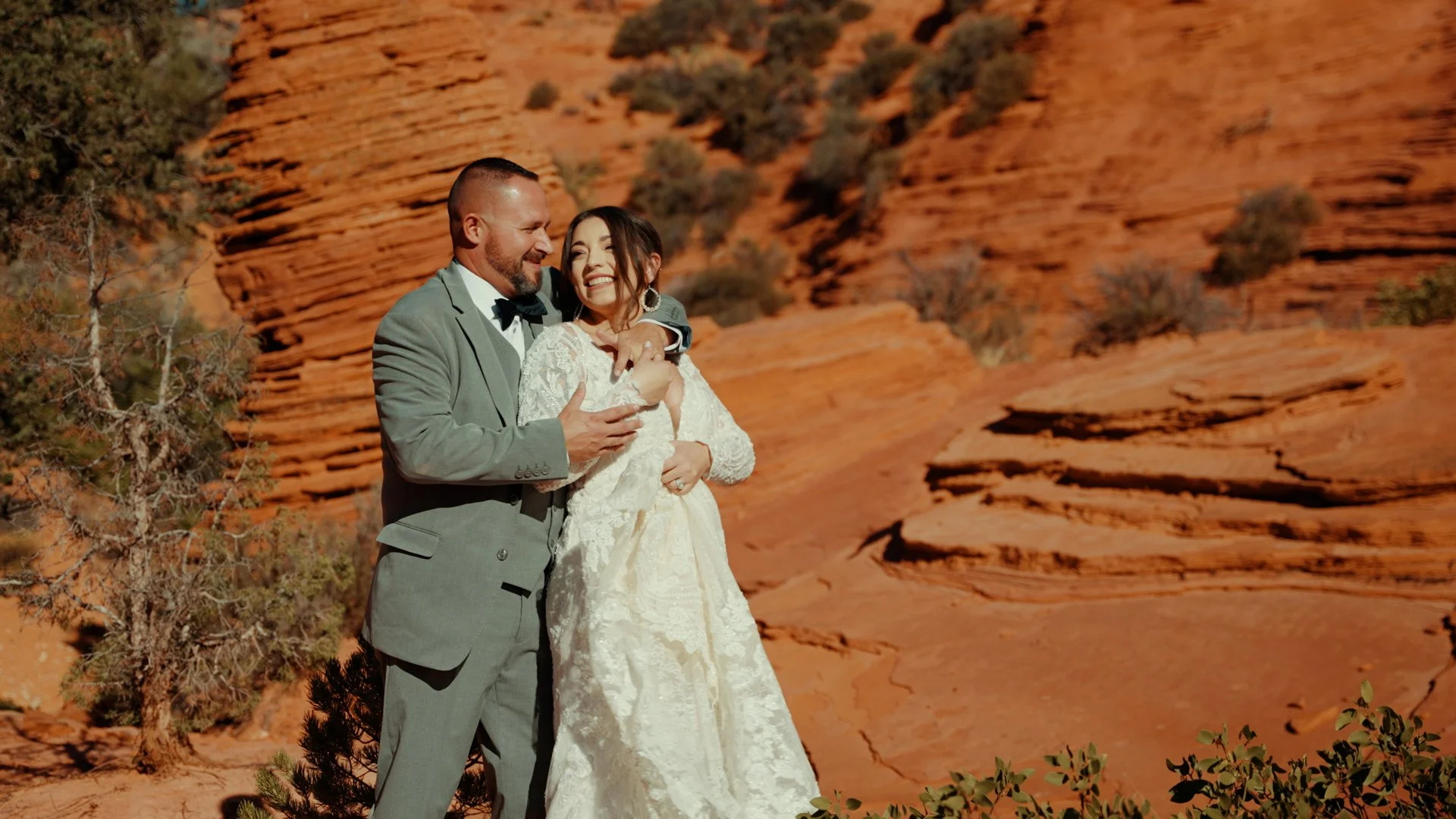
Wedding Video Timeline Breakdown: What Your Videographer Needs (and When) for a Film That Feels Like You
Most wedding timelines are built for photos and “events”—but the best wedding films are built around transitions. The deep breath before you walk down the aisle. The quiet exhale right after the ceremony. The “you good?” check-in from your best friend. This timeline breakdown shows exactly what your videographer needs (and when), plus the buffers that keep your day from feeling rushed—so your film feels personal, emotional, and like you.
If you want a wedding film that feels personal (not generic), your timeline matters way more than people think.
This isn’t about turning your wedding into a movie set. It’s about giving your videographer the right moments at the right time—so the story actually has room to breathe.
The big idea: video needs transitions, not just “events”
Most timelines are built for:
Hair/makeup
Photos
Ceremony
Reception
Video needs all that… plus the in-between moments:
The deep breath before you walk out
The “you good?” check-in from your best friend
The quiet after the ceremony when you finally exhale
Those transitions are where the emotion lives.
A simple wedding video timeline (with real-world buffers)
Below is a super common structure. Adjust the times to fit your day—what matters is the spacing.
1) Getting ready (2–3 hours)
What your videographer needs:
A clean corner for details (dress, rings, invites, perfume/cologne)
Natural light if possible
Access to both partners if you’re getting ready separately
Best moments to capture here:
Letter reads / vows practice
Parents’ reactions
Final touches (buttoning dress, tie, jacket, jewelry)
Timeline tip: Try not to schedule a bunch of people in and out of the room during letter reads. Quiet = better audio.
2) First look (optional) + couple portraits (45–75 minutes)
What your videographer needs:
A location with space and decent light
A few minutes where you’re not being rushed to the next thing
Best moments to capture here:
The actual first look reaction
You two talking (yes, talking—don’t just pose)
A little walking + natural movement
Timeline tip: If you want a story-first film, plan 10 minutes after the first look with no photos scheduled. Just let it land.
3) Wedding party + family photos (45–90 minutes)
What your videographer needs:
A clear plan so this doesn’t eat the whole day
Someone (planner, coordinator, assertive friend) who can wrangle people
Best moments to capture here:
Hugs with parents/grandparents
Wedding party energy (the chaos is good content)
Timeline tip: Family photos always run long. Build a buffer so you’re not sprinting into the ceremony.
4) Ceremony (30–60 minutes)
What your videographer needs:
Time to set up audio (mics + backup)
A clean audio feed from the DJ if available
Best moments to capture here:
Processional reactions
Vows (the heart of the film)
Recessional + that “WE’RE MARRIED” energy
Timeline tip: Tell your officiant and DJ ahead of time that you’re mic’d. It prevents last-second confusion.
5) Post-ceremony “just married” time (10–20 minutes)
This is the most underrated part of the day.
What your videographer needs:
You two alone (or mostly alone)
A spot away from the crowd
Best moments to capture here:
Real conversation
Happy crying
The calm after the storm
Timeline tip: If you do one thing for your film—do this.
6) Cocktail hour (45–90 minutes)
What your videographer needs:
Access to the room/space before it gets packed
A few minutes for venue detail shots
Best moments to capture here:
Guests mingling
You greeting people
Detail shots (bar, florals, signage, table settings)
Timeline tip: If you want reception room shots, make sure your videographer can get in there before guests.
7) Reception events (2–4 hours)
What your videographer needs:
A clear order of events from the DJ/planner
Good audio for speeches
Best moments to capture here:
Grand entrance
First dance
Parent dances
Speeches/toasts
Open dancing (the fun stuff)
Timeline tip: Speeches are gold for storytelling. If possible, do them when people are seated and the room is quieter.
The 5 timeline mistakes that hurt your wedding film
No buffer time (everything runs late, and video gets rushed)
Letter reads in a loud room (audio becomes unusable)
No time after the ceremony (you miss the emotional exhale)
Reception details happen after guests enter (you lose the clean shots)
Speeches in bad audio conditions (DJ too loud, people standing around talking)
Quick checklist to send your videographer
Final timeline (with addresses)
Planner/coordinator contact
DJ contact
Ceremony rules (church restrictions, unplugged ceremony, etc.)
Any “must-have” people (grandparents, special friends, etc.)
Bottom line
A great wedding film isn’t just about having a good camera. It’s about having a day that gives real moments space to happen.
If you want, send me your current timeline (even a rough one) and I’ll point out 2–3 small tweaks that’ll make your film hit way harder.
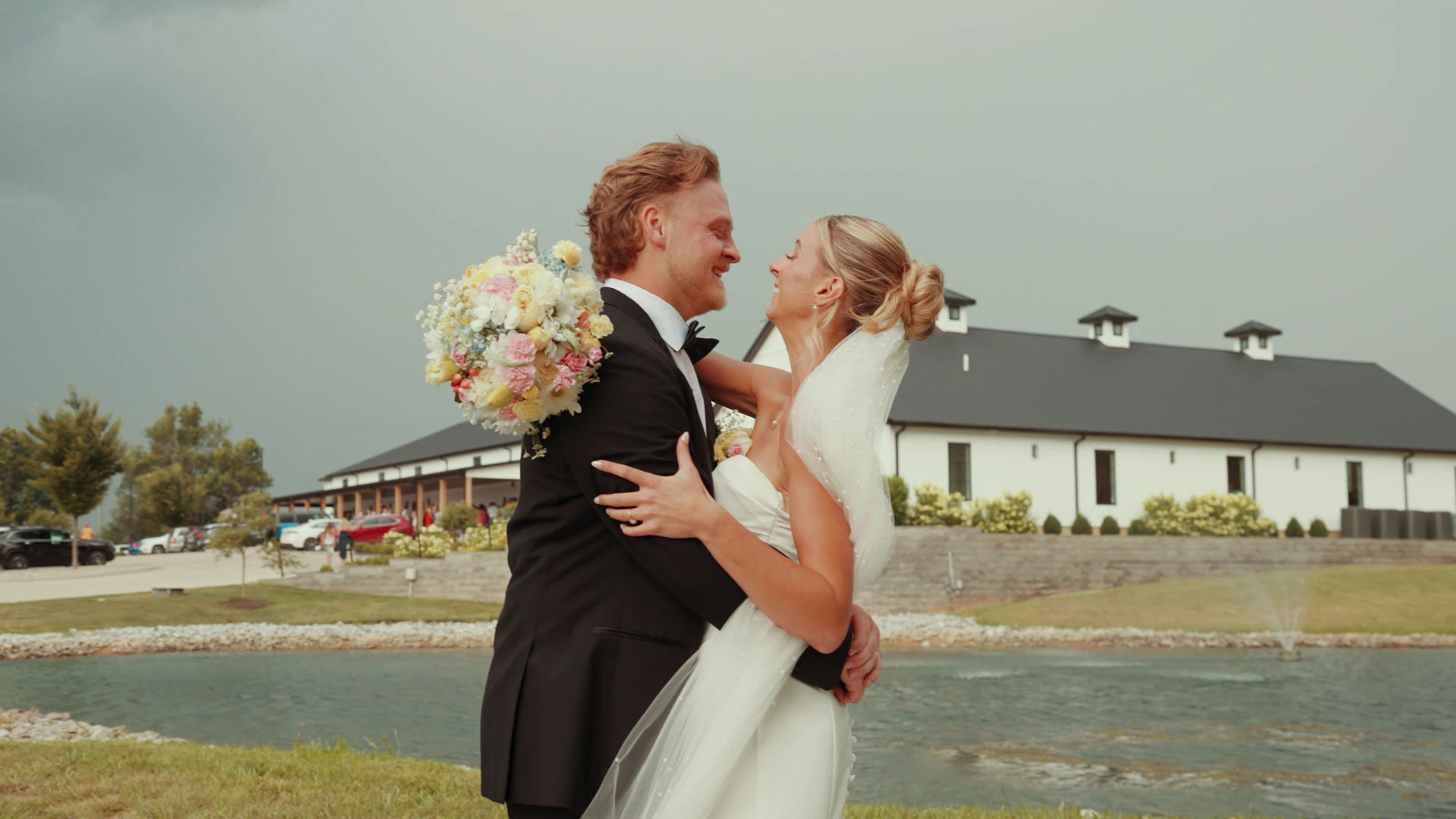
Real Audio, Real Tears: Why Mic’ing the Bride + Groom All Day Changes Everything in Your Wedding Film
Most wedding films look beautiful—but the ones that wreck you a year later have one thing in common: real audio. Here’s why mic’ing the bride and groom all day captures the whispers, laughs, and shaky breaths you can’t recreate—and turns a highlight reel into an actual story.
If you’ve ever watched a wedding film and thought, “This looks beautiful” but didn’t feel anything—it’s usually an audio problem.
Pretty shots are easy to find.
But the thing that makes you cry on your couch a year later? It’s the words. The shaky breath before the vows. The little jokes you forgot you said. The “Are you okay?” whispered right before you walk down the aisle.
That’s why mic’ing the bride and groom all day is a game-changer.
Wedding films aren’t about video—they’re about moments
Video captures what happened.
Audio captures what it meant.
When you can hear the real voices, the film becomes personal. It stops being a montage and starts being a story.
What you miss when you only mic the ceremony
A lot of videographers only mic during the ceremony (or worse—they rely on the DJ’s feed and hope it works).
Here’s what gets lost:
The private letter reading / gifts
The nervous laughs during getting ready
The “You look insane” moment when you first see each other
The little pep talk from dad or mom
The quiet “I can’t believe this is real” right before you walk out
Those are the moments that hit hardest—and they happen outside the ceremony.
What “all-day audio” actually means
When we say “mic’d,” we’re talking about small wireless microphones (lav mics) that capture clean, close audio.
All-day audio usually includes:
Groom mic’d early (so we catch pre-ceremony moments + anything spontaneous)
Bride mic’d when it makes sense (comfort first—always)
Officiant mic’d (so vows are crystal clear)
DJ/soundboard backup (redundancy matters)
The goal is simple: if something meaningful is said, we catch it.
The real reason this matters: you can’t recreate it
You can re-stage a shot.
You cannot re-stage:
the crack in your voice
the laugh that turns into crying
the exact way your partner says your name
That stuff is one take. One day. That’s it.
“But will the mic be visible?”
Sometimes, yes—a little.
And honestly? Most couples don’t care once they understand what they’re getting in return.
A tiny mic that gives you real vows, real reactions, and real memories is a trade most people are happy to make.
“What if I’m awkward on camera?”
Good news: audio actually helps with that.
When you’re focused on your person and your day, the film becomes less about “performing” and more about being present. The audio carries the emotion so we don’t have to force anything visually.
Bottom line
If you want a wedding film that feels like you—not just a pretty recap—ask your videographer one question:
“How do you capture audio all day?”
If you want, I can help you compare videographers based on their audio approach. Send me their package details or a link, and I’ll tell you what to look for.
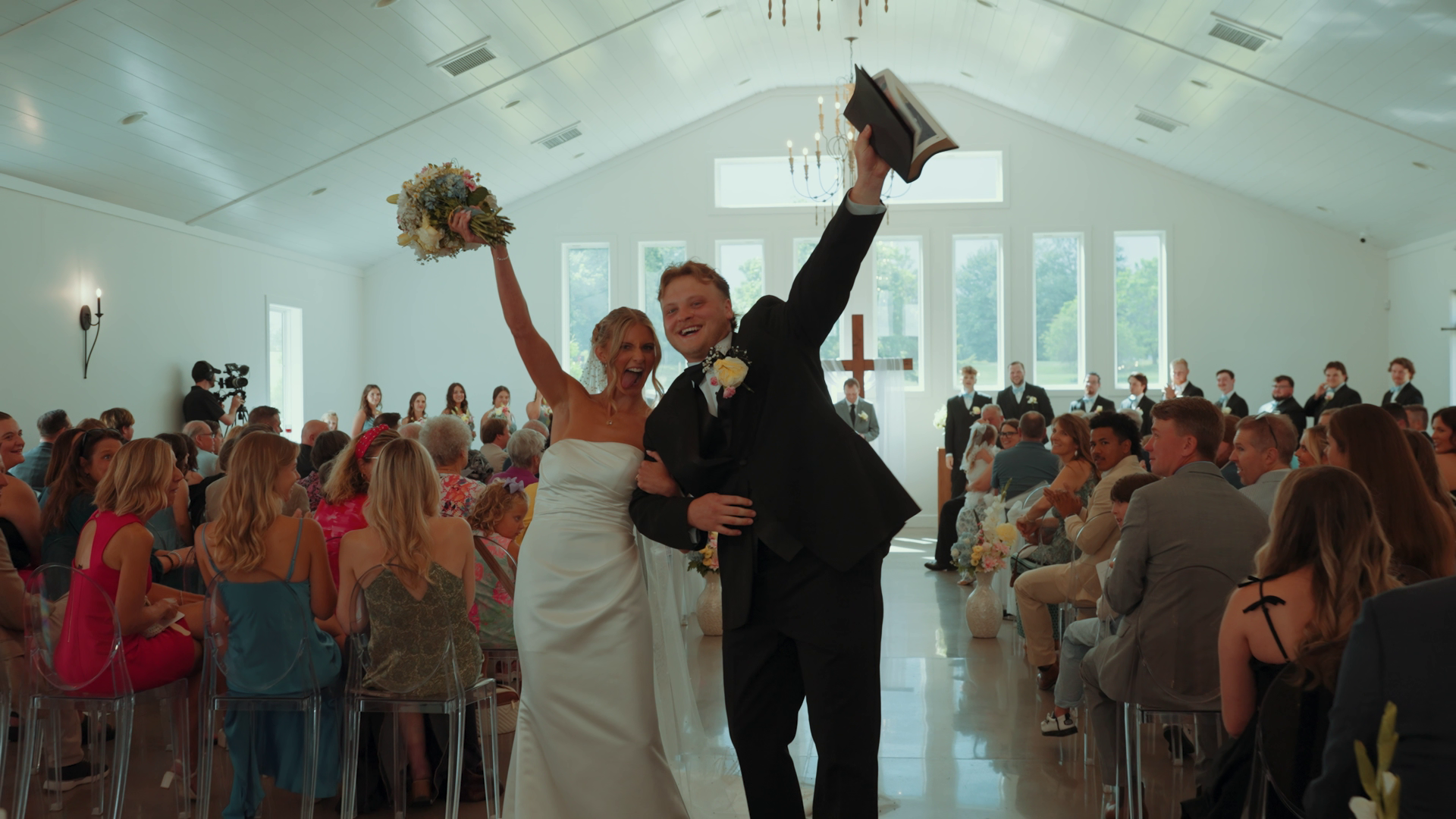
“Turn the Sound On”: Why Audio Is the Secret Weapon of an Emotional Wedding Film
If you want a wedding film that hits you in the chest every time you press play, don’t just look at the visuals—listen. Clean vows, real laughs, and those tiny in-between moments are what turn a “nice video” into a story you can feel all over again.
If you’ve ever watched a wedding film that gave you chills, odds are it wasn’t just the slow-motion shots or the pretty sunset. It was the sound.
The shaky laugh in a vow. The way someone’s voice cracks mid-sentence. The crowd’s reaction when the couple finally kisses. Audio is the difference between “that looked nice” and “I felt like I was there.”
Pretty video gets likes. Great audio gets tears.
Most couples think wedding video is all about cameras, lenses, and drone shots. Those matter, sure. But what makes a film emotional is the story — and story lives in words, tone, pacing, and real moments.
Audio does three big things:
It makes the film personal. Your voices are yours. Nobody else’s vows sound like yours.
It creates emotional build. Music helps, but real spoken words hit different.
It brings back the day exactly how it felt. Not just how it looked.
The 3 types of audio that make wedding films hit hard
1) Vows (the obvious one — but most people underestimate them)
Vows are the backbone of a story-driven film. They give your film a “spine” that editors can build around.
Pro tip: don’t worry about being perfect. The little pauses, laughs, and “I’m nervous” moments are what make it real.
2) Speeches and toasts (the surprise MVP)
Speeches are where the personality comes out — inside jokes, childhood stories, the stuff you’ll never remember word-for-word later.
Even if you don’t want a full “speeches edit,” having clean audio from toasts gives your film options:
A powerful voiceover moment
A funny break in the middle of an emotional sequence
A meaningful line that becomes the theme of the whole film
3) Ambient sound (the secret sauce)
This is the stuff you don’t think about until it’s gone:
The crowd cheering
The little sniffles during vows
The clinking glasses
Your dress moving when you walk
The “you ready?” right before you step out
Ambient sound makes the film feel alive — not like a music video.
“But won’t the DJ audio be enough?”
Sometimes. But DJ feeds can be unreliable, and they don’t capture the intimate stuff.
A clean wedding film usually needs a mix of:
Lav mics (tiny microphones on the couple/officiant)
Recorders (backup audio sources)
Camera audio (for natural room sound)
DJ feed (when it’s available and clean)
The goal isn’t “one perfect source.” The goal is multiple layers of audio so nothing important gets missed.
What can mess up wedding audio (and how to avoid it)
Here are the common problems that can wreck audio — and what you can do about them.
Wind (outdoor ceremonies): Choose a videographer who uses proper wind protection and backup mics.
Officiant won’t wear a mic: Ask ahead of time. A good team will have a respectful, low-drama way to handle it.
DJ doesn’t have an output: Happens more than you’d think. Backups matter.
Echo-y churches: Lav mics and smart placement are key.
Last-minute timeline chaos: If vows/speeches get rushed, audio setup gets rushed. A solid timeline helps.
The easiest way to get better audio: plan for it
You don’t need to become an audio engineer. Just plan for the moments that matter.
Here’s a simple checklist:
Tell your officiant you’ll be mic’d (and ask if they’re okay being mic’d too)
Make sure speeches happen in a spot where people can actually hear
Avoid loud prep rooms if you want letter readings or private vows
Build in 5 minutes before ceremony start so the video team can mic everyone calmly
What “mic’d all day” really means (and why it matters)
When a team takes audio seriously, they’re not just showing up with a camera and hoping for the best. They’re capturing the story as it happens.
That means:
You don’t lose the real moments because someone was too far away
Your vows sound clean and intimate
Your film feels like a memory, not a montage
Final thought: if you want an emotional film, protect the audio
If you’re investing in a wedding film because you want to feel your day again, audio isn’t optional — it’s the whole game.
So yeah… turn the sound on.
If you want, tell me your typical package structure (highlight vs featurette) and I’ll add a short section that helps couples choose the right option based on how much audio/story they want.
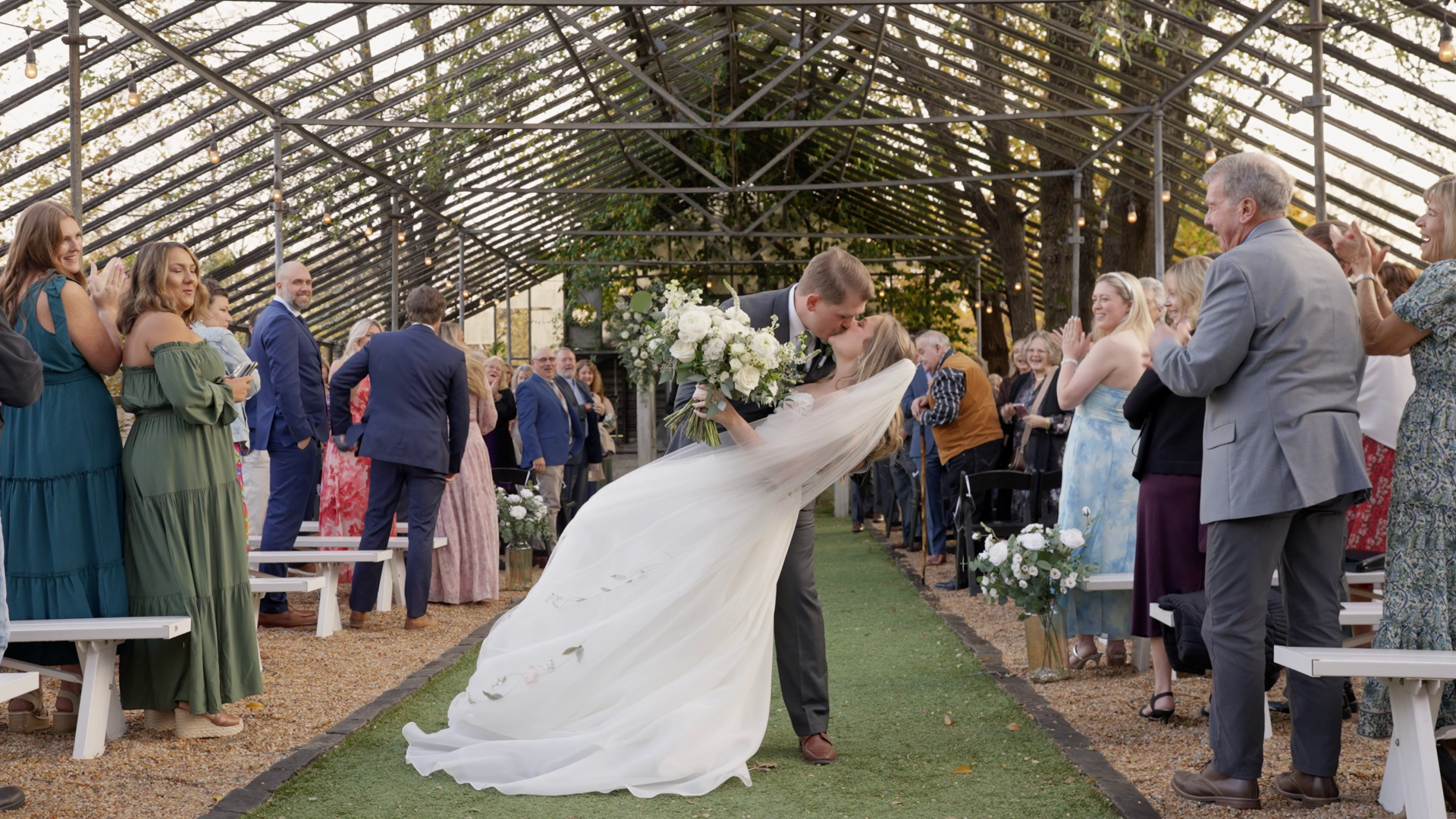
How Movement, Angles, and Timing Create Emotion in Wedding Films
Wedding films become unforgettable through intentional movement, thoughtful camera angles, and perfectly timed moments. From handheld energy on the dance floor to slow cinematic shots during vows, every filmmaking choice shapes how a couple feels when they watch their story back. Learn how movement, angles, and timing work together to create emotional wedding films that feel authentic, cinematic, and timeless.
edding films aren’t emotional because they’re “pretty.” They hit you in the chest because the camera moves with intention, the angles say something, and the timing lets moments breathe.
If you’ve ever watched a wedding film and felt like you were right back in that day—heart racing, laughing, tearing up—this is why.
1) Movement: The camera’s body language
Movement is basically the camera’s tone of voice. It tells your brain how to feel before a single word is spoken.
Slow, controlled movement = intimacy
A gentle push-in during vows feels like leaning closer to hear something personal. A slow slide across a bride’s hands while she’s reading a letter feels like respect—like you’re not interrupting.
Use it for:
Letters and gift exchanges
First look anticipation
Vows and quiet prayer moments
Parent reactions
Handheld movement = real life
Handheld isn’t “shaky.” When it’s done right, it feels human—like you’re in the room, not watching from a distance. It adds urgency and authenticity, especially during high-energy moments.
Use it for:
Dance floor chaos (the good kind)
Big hugs, laughter, and spontaneous moments
Bridal party hype
Fast transitions between locations
Static shots = weight and honesty
Sometimes the best move is no move. A locked-off shot during a heavy moment can feel brave. It says, “This is important enough to just sit with.”
Use it for:
A father seeing his daughter dressed for the first time
A groom trying not to cry (and failing)
A quiet moment alone before the ceremony
2) Angles: What you choose to emphasize
Angles aren’t just “cinematic.” They’re storytelling. They decide who has power, who feels vulnerable, and what the audience should pay attention to.
Eye-level = connection
Eye-level shots feel like friendship. They’re honest and relatable. If you want the viewer to feel like they know the couple, live here.
Great for:
Prep moments with friends
Natural conversation
Walking shots
Candid reactions
Low angles = confidence and celebration
A slight low angle can make a couple feel larger-than-life—like the day is epic (because it is). It’s perfect for entrances, exits, and anything that should feel like a victory lap.
Great for:
Ceremony exit
Grand entrances
Portraits with dramatic light
Sparklers/confetti
High angles = perspective and context
High angles can make a moment feel small in a beautiful way—like “look at this whole world happening around them.” It’s also a clean way to show the scale of a venue or crowd.
Great for:
Venue reveals
Processional moments
Crowd reactions
Dance floor patterns
Tight angles = emotion you can’t fake
Close-ups are where the truth lives: shaky hands, deep breaths, watery eyes, the tiny smile that says “we made it.”
Pro tip: don’t just shoot faces—shoot hands, shoulders, breathing, and the little nervous habits people don’t realize they have.
3) Timing: The difference between “nice” and unforgettable
Timing is where most wedding films either become a highlight reel… or a story.
Let moments breathe
If you cut away too fast, you steal the emotion. The viewer needs a second to feel what’s happening.
Examples:
Hold the shot one beat longer after a laugh
Stay on a parent’s reaction after the couple walks away
Let silence exist before the music swells
Use contrast to create impact
Emotion is often created by switching gears at the right time.
Try:
Quiet letter audio over fast-paced prep visuals
A slow-motion embrace right after a quick montage
A hard cut from crowd noise to a clean vow line
Build, don’t dump
A common mistake is stacking all the “best shots” back-to-back. It looks cool, but it doesn’t always move people.
Instead:
Set the scene
Introduce the couple
Build anticipation
Deliver the emotional moment
Let the release happen
That’s storytelling. That’s what makes people cry.
Putting it all together: A simple emotional recipe
If you want a quick framework for an emotional sequence, try this:
Wide shot to establish the moment (where are we?)
Medium shot to connect (who’s here?)
Close-up to feel it (what are they feeling?)
Slow movement to lean in (this matters)
Hold the beat after the reaction (let it land)
Final thought
The goal isn’t to be “cinematic.” The goal is to make the couple feel something when they watch it back five, ten, twenty years later.
Movement is your body language. Angles are your emphasis. Timing is your emotional pacing.
When those three work together, you don’t just document a wedding day—you bring it back to life.
Want a wedding film that feels like you?
If you’re looking for a wedding film that captures the real moments and the story behind them, reach out and let’s talk through your day. I’ll help you figure out what matters most—and we’ll build a film around that.
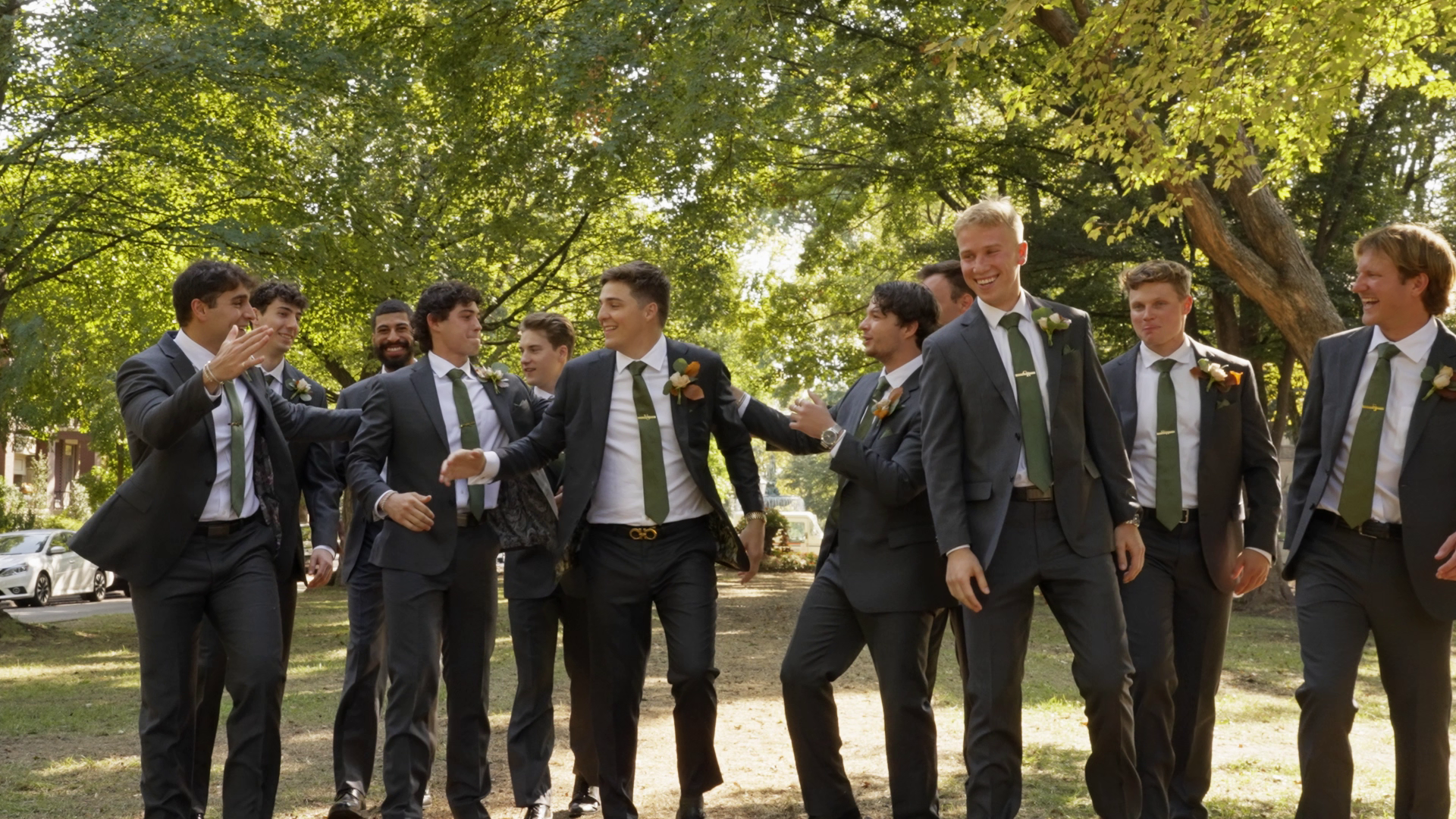
The Role of Audio in Creating a Powerful Wedding Film
Most couples think the “wow factor” in a wedding film is all visuals—but the part that makes you feel it years later is audio. Clean vows, toasts, and real ambient sound turn pretty footage into a story you can relive. When your filmmaker uses multiple mics and backups, your wedding film becomes a time machine: the shaky breath before the vows, the laugh during a roast, the crowd after the first kiss. Great audio is what makes a wedding film cinematic, personal, and unforgettable.
Most couples think the “wow factor” in a wedding film comes from the visuals: the dress, the venue, the sunset shots, the slow-motion confetti. And yeah… those matter.
But if you want a wedding film that actually hits you in the chest years later, audio is the secret weapon.
Audio is what turns pretty footage into a story. It’s what makes your film feel like your day, not just a highlight reel.
Audio is where the emotion lives
Think about the moments that make you tear up:
The shaky breath before vows
The voice crack during a letter reading
The laughter when someone roasts you during toasts
The crowd reaction after the first kiss
You can see those moments, but you feel them because you can hear them.
When audio is captured well, your film becomes a time machine. It brings back the exact tone of the day—not just what it looked like.
Vows and speeches are the backbone of the story
A powerful wedding film usually has a narrative thread, and 9 times out of 10 it comes from:
Vows
Letters
Toasts
Off-the-cuff moments (the stuff you didn’t plan)
Great audio lets us build your film around your actual words—not generic voiceover, not random quotes, and definitely not a “Pinterest script.”
That’s why pro audio coverage matters so much. If the vows are muffled, the mic cuts out, or the DJ feed is distorted, you lose the heart of the story.
Good audio makes the film feel cinematic (not cheesy)
“Cinematic” isn’t just slow motion and dramatic music. It’s pacing, tension, release… and audio does a ton of that heavy lifting.
Here’s what strong audio can do:
Pull you into a moment with natural sound (breaths, footsteps, crowd noise)
Create goosebumps with a clean vow line under music
Make transitions feel smooth and intentional
Let quiet moments stay quiet (which is rare and powerful)
Bad audio does the opposite. It instantly makes a film feel amateur—even if the visuals are great.
Music is important—but it should support the story
Music sets the tone, but it shouldn’t be the whole movie.
If your wedding film is wall-to-wall music with no real dialogue, it can feel like a montage. Pretty, sure… but it usually doesn’t feel personal.
The best wedding films use music like seasoning:
It supports the emotion
It helps build energy
It gives the film rhythm
But the main ingredient is still your voices.
How audio is captured (and why it’s more than one mic)
A lot can go wrong with wedding-day audio, which is why experienced filmmakers don’t rely on a single source.
A solid audio setup usually includes a few layers:
Lav mics on the couple/officiant (for vows)
A recorder from the DJ/venue soundboard (for speeches and ceremony audio)
On-camera mics for natural sound and backup
Extra recorders in case something fails (because weddings don’t do re-takes)
Redundancy is everything. The goal is simple: no matter what happens, we get clean, usable audio.
Audio in editing: where the story really comes together
Capturing audio is step one. Shaping it is where the magic happens (yeah, I said it—just not that phrase).
In editing, audio helps us:
Choose the strongest lines from vows/toasts
Layer natural sound under music for realism
Smooth out awkward pauses and mic bumps
Balance levels so you don’t have to crank the volume
Build a story arc that feels intentional
When it’s done right, you don’t “notice” the audio—you just feel the film.
What to ask your wedding videographer about audio
If you’re comparing videographers, don’t be afraid to ask audio questions. It’s one of the biggest differences between a film that’s nice and a film that’s unforgettable.
Here are a few good ones:
How do you mic the couple and officiant?
Do you record from the DJ/soundboard?
What’s your backup plan if a mic fails?
Can I hear a full ceremony/toast audio sample?
Do you deliver full ceremony and speeches as separate edits?
If they get vague here, that’s a red flag.
Final thought
You only get one chance to capture the voices from your wedding day.
Photos can show you what happened. Video can show you how it looked.
But audio brings back how it felt.
If you want a wedding film that still gives you chills on your 10-year anniversary, don’t just hire someone who shoots pretty footage—hire someone who takes audio seriously.
If you want, tell me your vibe (romantic, hype, documentary, cinematic, etc.) and I’ll help you outline what audio moments to prioritize on your wedding day.
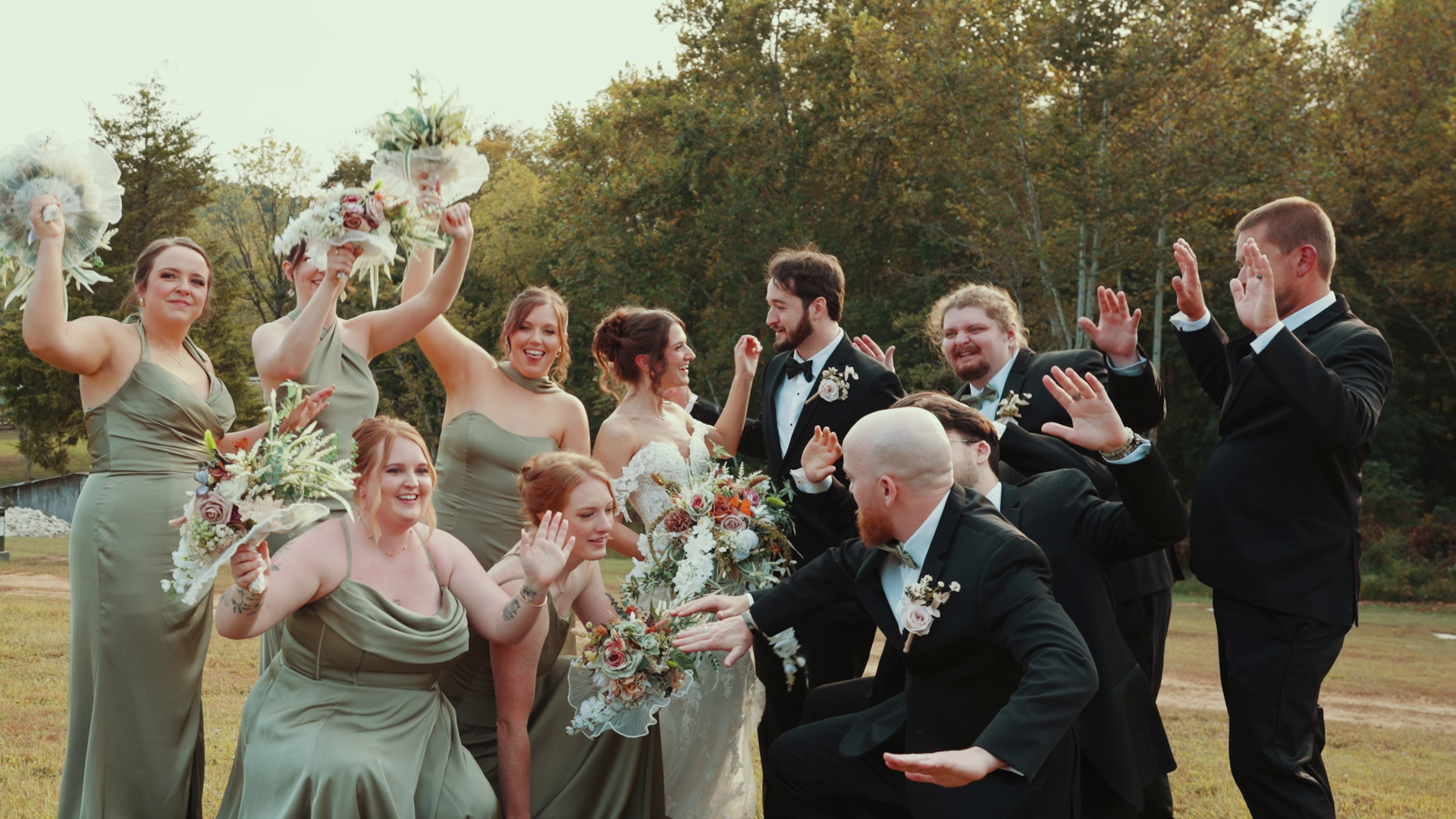
Drone Wedding Videography: Is It Worth It?
Drone wedding videography looks incredible—but it’s not always necessary. Here’s what drone footage actually adds, when it’s 100% worth it, when it might not be usable (weather, no-fly zones, indoor venues), and the smart questions to ask your videographer before paying extra.
You’ve seen the shots: a couple standing in a field, the venue glowing at sunset, and the camera floating up and away like it’s in a movie. That’s drone wedding videography.
But the real question isn’t “Does it look cool?” (It does.) The question is: is it worth it for your wedding film? Let’s break it down in plain English.
What drone footage actually adds to a wedding film
Drone shots aren’t just “extra.” When they’re used well, they give your film:
A sense of place: You’ll remember the venue, the landscape, the vibe of the day.
Cinematic transitions: Perfect for opening shots, scene changes, and big emotional beats.
Scale and energy: Especially for outdoor ceremonies, mountain views, waterfront venues, barns, estates, and big city rooftops.
Think of drone footage like the “establishing shot” in a movie. It sets the stage.
When drone wedding videography is 100% worth it
Drone footage shines when the environment is part of the story.
It’s usually worth it if:
Your venue has beautiful outdoor space (estate, farm, vineyard, lake, mountains, skyline)
You’re doing portraits outside and have time built in
Your ceremony or reception has a strong visual setting (especially golden hour)
You want your film to feel bigger, more cinematic, more like a trailer
If you’re the kind of couple who picked your venue because it felt like you, drone footage can help capture that feeling.
When it might not be worth it
Here’s the honest part: drone footage isn’t always usable.
It might not be worth paying extra for if:
Your wedding is mostly indoors (hotel ballroom, dark reception space)
Your venue is in a no-fly zone (near airports, certain city areas, restricted airspace)
The day is super windy or rainy
Your timeline is packed and there’s no breathing room for outdoor shots
Also: drone footage is usually a small percentage of your final film. If you’re expecting 3 minutes of drone shots, that’s not how most wedding films are built.
Common myths about drones at weddings
Let’s clear up a few things couples assume.
Myth #1: “A drone means my film will look like a movie.”
A drone helps, but the “movie” feel mostly comes from:
Storytelling and editing
Great audio (vows, speeches)
Good lighting and composition
How comfortable you feel on camera
Myth #2: “Drones are loud and ruin the moment.”
A pro won’t fly a drone during quiet, intimate moments where it would be distracting. Most drone shots happen:
Before guests arrive
During portraits
Between ceremony and reception
During open dancing (if appropriate)
Myth #3: “If it’s included, it’ll definitely be used.”
Even if your videographer brings a drone, they may not be able to fly it due to weather, restrictions, or timeline. A good team will still deliver an amazing film without it.
Safety, legality, and why “cheap drone add-ons” can be risky
This part matters.
Drone work isn’t just “press record.” It involves:
Airspace rules and restrictions
Safe takeoff/landing areas
Crowd safety
Insurance and liability
If someone offers drone coverage for suspiciously cheap, ask questions. You want someone who treats it like a professional tool, not a toy.
What to ask your wedding videographer about drone coverage
If you’re considering it, ask these quick questions:
Is drone footage included or an add-on?
Do you check airspace restrictions before the wedding?
What happens if weather or location prevents flying?
When do you typically capture drone shots (timeline-wise)?
How much drone footage usually makes it into the final film?
The goal is clarity, not hype.
So… is drone wedding videography worth it?
If your venue and timeline allow it, and you want that cinematic “sense of place,” yes—drone footage is usually worth it.
But if your day is mostly indoors, your venue is restricted, or you’d rather put budget toward more coverage time, a second filmmaker, or better audio—drone footage might be a “nice-to-have,” not a must.
Want the honest recommendation for your venue?
If you tell me your venue name and whether your ceremony is indoors or outdoors, I can give you a straight answer on whether drone footage will actually add value to your wedding film.

What Most Filmmakers Miss About Real Storytelling: 10 Secrets to Unlocking Cinematic Magic
Most filmmakers get caught up chasing the latest gear, but here's the truth: your camera doesn't tell stories—you do. 📹 After filming hundreds of weddings in Louisville and beyond, I've learned that real storytelling in filmmaking isn't about having the fanciest equipment. It's about capturing those unscripted moments, heartfelt dialogue, and genuine emotions that make story-driven films unforgettable. Whether you're shooting wedding films or any cinematic project, these 10 storytelling secrets will transform how you approach every shoot. Ready to ditch the gear obsession and start creating films that actually move people? Let's dive into what most filmmakers miss about real storytelling—and how you can make magic happen with whatever camera you've got. 🎬✨
Introduction: Why Storytelling Is Your True Superpower
Let’s face it—cameras get shinier every year, but the magic of a truly unforgettable film isn’t in the pixels. It’s in the story. Most filmmakers, from rookies to seasoned pros, eventually fall into the trap of obsessing over gear, color profiles, and the latest LUT packs. But in the mad dash for technical perfection, they risk missing the beating heart of filmmaking: real, emotional, story-driven films.
So, let’s put down the spec sheets for a minute. Grab a coffee (or three), and join me as we unpack what most filmmakers miss about real storytelling—and how you can make your next wedding film, documentary, or brand video truly unforgettable.
Section 1: The Gear Trap – Why Fancy Cameras Don’t Tell Better Stories
We’ve all been there. You’re scrolling Instagram, and—bam!—another filmmaker flexes a RED Komodo or the latest Sony beast. Suddenly, your old camera feels like a potato. But here’s the twist: viewers never say, “Wow, I loved the dynamic range on that bride’s tears!” They remember how you made them feel.
The obsession with gear is real. It’s easy to think that sharper images equal better storytelling. But unless your camera can read minds, it won’t magically capture the nuances of a nervous laugh, a hopeful glance, or a last-minute vow rewrite. Real storytelling in filmmaking is about human connection, not hardware.
So, resist the urge to mortgage your house for that new lens. Instead, ask yourself: “What’s the story I’m trying to tell?” That’s the real secret sauce.
Section 2: Dialogue Over Decibels – The Power of Sound in Storytelling
Here’s a spicy take: audio is 50% of your film’s impact, but 90% of filmmakers treat it like an afterthought. Yet, story-driven films come alive in the whispers, the laughter, and the unscripted “I love you’s.” Good sound isn’t just technical; it’s emotional storytelling in disguise.
When you mic the bride and groom all day (yes, even during the awkward breakfast), you capture those real moments—the nervous pep talk, the burst of laughter, the heartfelt vows. These audio gems make your wedding films unforgettable and set your storytelling apart from the crowd.
So, next time you’re prepping for a shoot, care for your audio the way you care for your lens wipes. Your story will thank you.
Section 3: Beyond the Highlight Reel – Why Unscripted Moments Matter
Let’s be honest, highlight reels are fantastic for Instagram. But does that 60-second montage capture the couple’s essence—their quirks, their inside jokes, the way they look at each other when no one’s watching? Not even close.
Real storytelling happens in the unscripted moments: a parent’s nervous toast, a flower girl’s meltdown, or the groom’s tie-tying struggle. These moments breathe life into your story-driven films and create memories that last long after the champagne is gone.
So, keep your camera rolling when everyone else puts theirs down. The gold is often hidden between the “official” shots.
Section 4: The Emotional Arc – Crafting Stories That Stick
Here’s something most filmmakers miss: every great story—yes, even a wedding film—has an emotional arc. It’s not just a series of pretty shots. It’s a journey, with tension, release, and that goosebump-inducing resolution.
Ask yourself: What’s the emotional journey here? Are we building anticipation before the ceremony? Creating tension during the vows? Delivering catharsis at the first dance? Mapping out this arc helps you create wedding films that are more than just a sequence—they’re a cinematic experience.
Bottom line: Give your audience feels, not just footage.
Section 5: The Power of Perspective – Whose Story Are You Telling?
Raise your hand if you’ve ever made a wedding film where every shot looks like your own highlight reel. (No judgment; we’ve all done it.) But real storytelling means stepping out of your own head and into your subjects’ world.
Interview the couple. Ask about their favorite memories, their struggles, and what makes their story unique. Then, weave these details into your film. Suddenly, you’re not just making a wedding video—you’re telling their love story, tailor-made and unforgettable.
Remember: The best story-driven films are personal, not generic.
Section 6: Audio Diaries & Heartfelt Dialogue – Capturing the True Voice
If you want your wedding films to stand out, capture the couple’s real voice—literally. Ask them to share audio diaries, record their vows, or narrate their journey. These soundbites become the backbone of your story-driven films, giving them authenticity and emotional punch.
Heartfelt dialogue beats scripted lines every time. Even a nervous giggle or a voice crack can make your film more relatable and memorable.
Pro tip: Keep a backup mic rolling all day. You’ll thank yourself when that perfect off-the-cuff line becomes the soul of your film.
Section 7: Editing for Emotion – Why Cuts Matter More Than Effects
It’s tempting to go wild with transitions and color grades. But the best editors in storytelling know that the cut itself is the most powerful tool. Editing isn’t just about technical polish—it’s about pacing, rhythm, and building emotional highs and lows.
Great storytelling in filmmaking means knowing when to linger on a tearful smile and when to cut to the roaring laughter. It’s about drawing your audience in and guiding them through the story—not just dazzling them with effects.
So, next time you’re in Premiere Pro or Final Cut, ask: “Does this cut serve the story?” If not, snip it.
Section 9: The Soundtrack of Emotion – Music That Moves
Ever notice how a killer soundtrack can make even Uncle Bob’s two-step look epic? Music is the emotional glue of your story-driven films. The right song lifts the mood, signals transitions, and amplifies the feels.
But don’t just slap royalty-free tracks on everything. Match the music to the couple’s style, the story’s tone, and the film’s emotional arc. When done right, your soundtrack becomes another character in the story.
Remember: The best wedding films aren’t just watched—they’re felt. Music makes that happen.
Section 10: The Art of Letting Go – Why Every Film Can’t Be Perfect (and That’s Okay)
Here’s a plot twist most filmmakers dread: perfection is a myth. Real storytelling means embracing the beautiful chaos—missed shots, messy emotions, and all. Your film won’t be flawless, but it will be real.
When you let go of perfection, you open yourself up to authentic moments and creative breakthroughs. Your audience doesn’t want a perfect film—they want a film that feels true.
So, next time you’re stressing over a less-than-perfect shot, remember: humans don’t fail, structures do. If your story shines through, you’ve succeeded.
Conclusion: Your Call to Storytelling Adventure
If you’ve made it this far (gold star for you!), here’s your mission: put story first. Whether you’re filming weddings, documentaries, or brand stories, remember that real storytelling in filmmaking is about connection, emotion, and those perfectly imperfect moments that make us human.
So, go forth, fellow filmmaker. Capture the laughs, the tears, the chaos, and the quiet. Make story-driven films that move hearts and linger in memories. And when in doubt, remember: it’s not the gear, it’s the story.
Let’s make magic—one story at a time.