

Wedding Film Audio Strategy 101: Where the Story Actually Comes From (Vows, Letters, Speeches, and the Quiet Stuff You Didn’t Plan)
If you want a wedding film that feels like you (not a highlight reel of random pretty shots), audio is the difference. This guide breaks down the exact audio moments that create story—vows, letter reads, speeches, and the quiet in-between—and what to ask your videographer so nothing important gets missed.
If you’ve ever watched a wedding film that looked beautiful but felt kind of empty, it usually wasn’t the camera. It was the audio.
A story-first wedding film is built on real voices and real moments—then the visuals come in to support that story. Here’s how to think about wedding audio (without turning your day into a production).
Why audio is the “story engine”
Music sets the mood, but audio creates meaning. When you hear your actual voices—your shaky breath, the laugh mid-vow, the way your best friend roasts you in a toast—that’s what makes the film feel like you.
The 4 types of audio that make a wedding film hit harder
Vows
This is the emotional spine of most films.
Tip: Ask your officiant and DJ ahead of time that you’ll be mic’d so there’s no last-second confusion.
Letter reads / private vows
Quiet, personal, and usually the cleanest audio of the day.
Tip: Plan 5–10 minutes with no one coming in and out of the room. Quiet = usable audio.
Speeches / toasts
The best “story content” of the whole day—context, relationships, history.
Tip: If possible, do speeches when guests are seated and the room is calmer.
Natural moments (the unplanned stuff)
“You ready?”
The deep breath before walking out.
The post-ceremony exhale.
Tip: Build buffer time so these moments can happen without you being rushed.
What to ask your videographer about audio (copy/paste)
“How do you capture audio throughout the day?”
“Do you mic the couple? When?”
“Do you take a feed from the DJ/soundboard for ceremony and speeches?”
“What backups do you use if something fails?”
“How do you handle loud rooms or windy outdoor ceremonies?”
If they can’t explain their audio plan clearly, that’s a yellow flag.
How to set your day up for better audio (simple fixes)
Choose a getting-ready space with one clean, quiet corner (natural light helps too).
Schedule letter reads away from chaos (no crowd, no interruptions).
Give yourself 10–20 minutes after the ceremony (this is where the “we did it” emotion lives).
Tell your DJ what matters (clean feed, controlled volume, clear order of events).
Bottom line
If you want a wedding film you’ll actually rewatch (and ugly cry to), prioritize real audio. Pretty shots are great—but voices are what make the story feel personal.
The #1 Thing Couples Forget When Booking a Wedding Videographer (And It Changes Everything)
Most couples book video last—then realize the one thing they’ll miss most isn’t the visuals… it’s the voices. Here’s what to ask before you book so your wedding film actually lets you relive the day.
You’re comparing packages, scrolling Instagram, asking friends for recommendations… and somehow the videographer ends up being one of the last vendors you book. I get it—photos feel “required,” and video can feel like a “nice-to-have.”
But here’s the truth: your wedding film isn’t just a highlight reel—it’s the only way you’ll hear your voices again. The shaky laugh during vows. The way your people sound when they toast you. The little “are you good?” whisper right before you walk down the aisle.
Why “sound” is the secret sauce
Most couples don’t realize how much of their day is audio-driven until it’s gone.
Vows
Letters
Toasts
Prayer/blessing
The random one-liners that make your day your day
A film with clean audio doesn’t just show the moment—it brings you back into it.
What to ask before you book anyone
If you’re shopping videographers, ask these questions (and listen closely to the answers):
How do you capture audio? (Do they mic both of you? Do they rely on the DJ feed only?)
Do you record audio all day or only during the ceremony?
Do you have backup audio? (Because tech fails. Pros plan for it.)
How do you handle noisy venues and wind?
The “last vendor booked” problem
Videographers book up fast—especially the ones who are truly story-first.
If you wait too long, you’ll either:
settle for someone whose style doesn’t match your vibe, or
pay more for what you wanted in the first place, or
miss out entirely
How we do it at Foree Films
My approach is simple: story first, always.
We mic the bride and groom (yes, all day)
We capture moments before and after the ceremony—not just the “main events”
We film in a way that helps you feel comfortable, not “performed”
If you’re planning right now…
If you want a film that feels like you—not a cookie-cutter montage—reach out early. Even if you’re still picking a venue or finalizing your date, I can help you think through what coverage actually makes sense.
Want to see what story-driven wedding films look like? Contact Foree Films and I’ll send a few examples based on your vibe.
How to Choose Wedding Music for Your Film (So It Feels Like You, Not a Template)
Your wedding film isn’t just pretty footage—it’s your story, and the music is what makes it feel like a memory instead of a montage. The fastest way to avoid that “nice… but it could’ve been anyone” vibe is to start with your feeling (romantic, chaotic, moody, cinematic) before you ever pick a genre. Think in chapters—getting ready, vows, portraits, reception—so the soundtrack evolves with the day. And don’t let the track smother the real magic: shaky breaths, laughs mid-vow, crowd reactions, toasts that hit harder than expected. The right licensed music won’t feel like stock—it’ll feel like you.
Your wedding film isn’t just “pretty footage.” It’s your story — and music is the thing that makes it feel like a memory instead of a montage.
If you’ve ever watched a wedding video and thought, “That was nice… but it could’ve been anyone,” it’s usually the music. Not because the song was bad — because it didn’t match the couple.
Here’s how to choose wedding film music that feels personal, emotional, and you.
1) Start with your vibe, not a genre
Before you pick a song, pick a feeling.
Ask yourselves:
Do we want this to feel romantic, fun, cinematic, nostalgic, high-energy, moody, or soft?
Are we more “cry in the vows” or “dance floor chaos”?
If your relationship was a movie, what kind is it?
Once you name the vibe, the music choices get way easier.
2) Think in chapters (not one perfect song)
Most wedding films work best when the music changes with the story.
A simple structure:
Opening / getting ready: calm, intimate, anticipation
Ceremony / vows: emotional, minimal, supportive (not distracting)
Portraits / golden hour: cinematic, romantic, “this is us”
Reception: upbeat, fun, personality-forward
You don’t need one “perfect” track. You need a soundtrack that follows the day.
3) Decide what matters most: lyrics or emotion
Lyrics can be powerful… or they can hijack the story.
A good rule:
If your vows/audio are a big part of the film, go lighter on lyrics.
If you want a music-driven highlight (less talking), lyrics can work great.
Also: if a song’s lyrics don’t fit your relationship, it’ll feel off even if the beat is perfect.
4) Choose music that leaves room for real audio
The most “you” moments are usually not the visuals — they’re the audio.
Think:
the shaky breath before the first look
the laugh mid-vow
the crowd reaction
the toast that hits harder than expected
When music is too big too early, it smothers the real stuff.
If you want your film to feel personal, pick tracks that allow space for:
voiceovers
natural sound
quiet moments
5) Avoid the “wedding stock music” trap
You know the ones:
the same ukulele-clap “happy couple” song
the same cinematic rise into a big drop
the same piano track that screams “generic emotional”
They’re not bad — they’re just overused.
Instead, look for music that has a specific texture:
interesting drums
imperfect vocals
a unique instrument (strings, synths, ambient pads)
a tempo that matches how you actually move and talk
Specific beats template. Specific details feel real.
6) Use references (even if they’re not “wedding songs”)
One of the best things you can do: send your filmmaker references.
Make a short list:
3 songs that feel like you as a couple
1 song that feels like the energy you want (even if it’s not usable)
1 “please don’t use anything like this” example
These references help your filmmaker choose licensed music that matches your taste.
7) Match the music to your venue + season
This is a sneaky one, but it matters.
Examples:
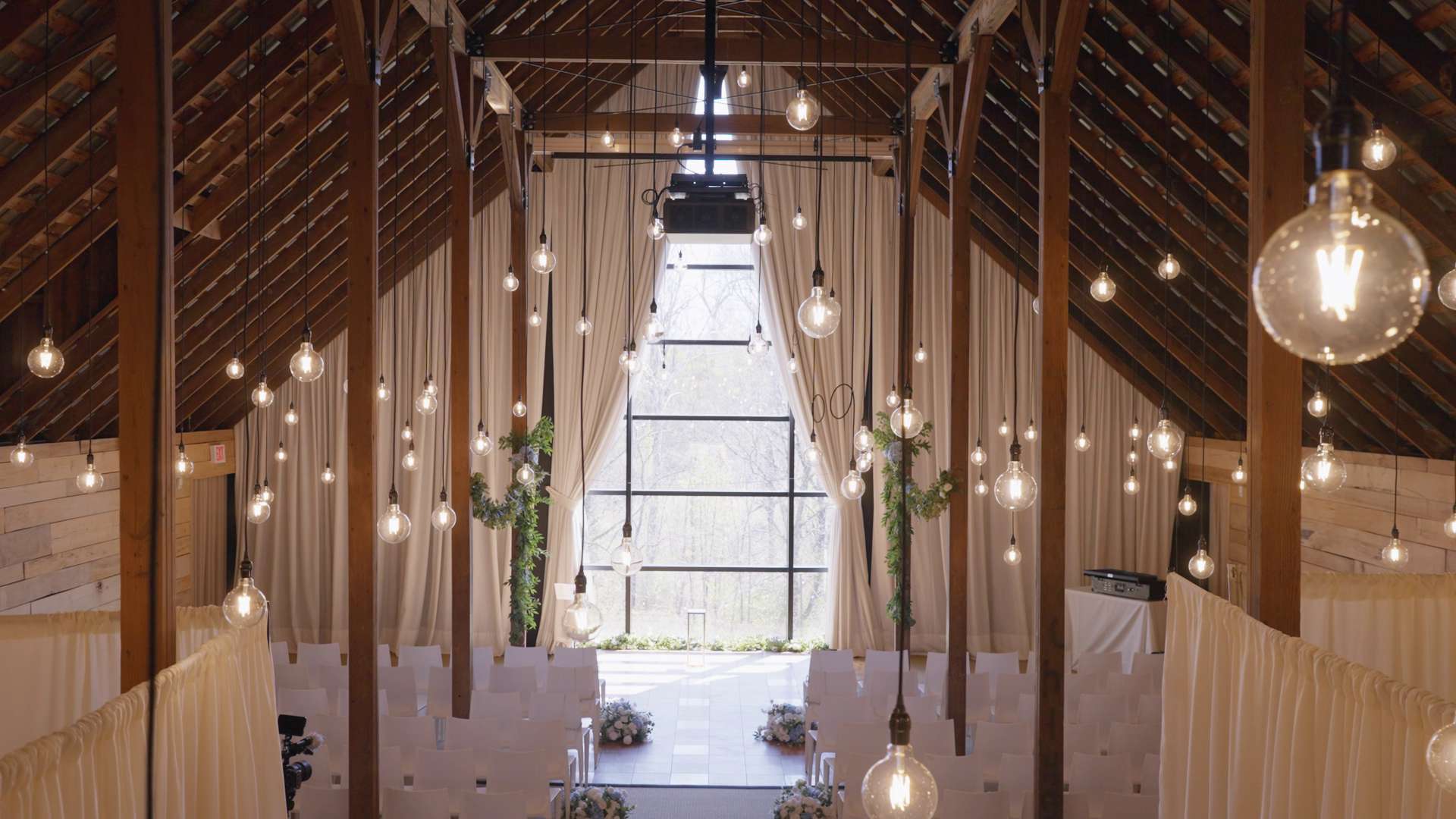
A candlelit, black-tie ballroom often fits classic, cinematic, orchestral vibes.
A backyard wedding might fit warm, acoustic, intimate tracks.
A mountain elopement can lean ambient, expansive, emotional.
The setting is part of your story — let the music reflect it.
8) Trust your filmmaker’s licensing process (and communicate early)
Most wedding films can’t legally use your favorite radio song. That’s why filmmakers use licensed music libraries.
The good news: licensed doesn’t mean boring.
If you tell your filmmaker:
your vibe
your references
what you don’t want
…they can find tracks that feel custom, not cookie-cutter.
Quick checklist: “Does this song feel like us?”
Ask:
Would we listen to this on a road trip?
Does it match how we actually are together?
Does it leave room for vows/toasts?
Does it feel timeless, or trendy?
If someone else used this song, would it still feel like our film?
If the answer is yes, you’re in a great spot.
Final thought
The goal isn’t to pick “the best wedding song.” It’s to pick music that makes you feel something true when you watch your film five, ten, twenty years from now.
If you want, I can help you build a quick “music vibe board” (3–5 reference songs + keywords) you can send your filmmaker so your film feels like you from the first note.