

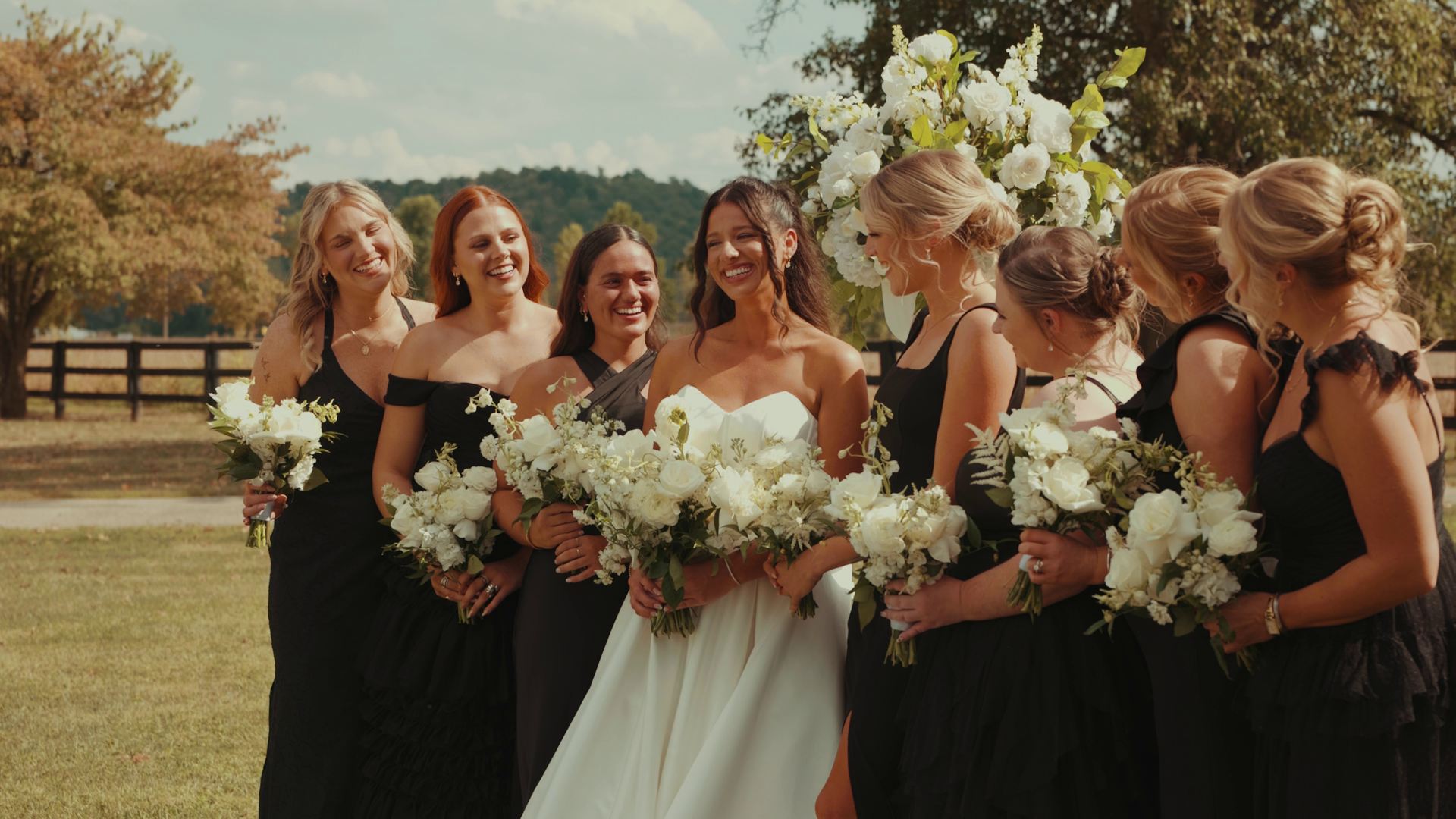
What to Expect From Your Wedding Videography Package
Wondering what’s included in a wedding videography package? From coverage hours and filmmaker count to pro audio, drone footage, and highlight vs. documentary edits—this guide breaks down what most wedding video packages include, what add-ons matter, and how to get the best wedding film possible.
Planning a wedding comes with a million decisions, and videography is one of the biggest “I don’t know what I don’t know” ones. If you’re considering a wedding film (or you already booked one), here’s what a typical wedding videography package includes, how the process usually works, and what you can do to get the best final film.
1) What’s usually included in a wedding videography package
Every studio packages things a little differently, but most wedding videography packages are built around a few core pieces:
Hours of coverage (ex: 4 hours, 8–10 hours, or full-day)
Number of filmmakers (one shooter vs. a team)
Cameras + audio setup (multiple angles, pro mics, backup audio)
Drone footage (when weather/location allow)
A main film deliverable (highlight film and/or documentary-style edit)
Delivery method (online gallery, USB, etc.)
The big thing to remember: you’re not just paying for the wedding day. You’re paying for planning, gear, experience, and a lot of editing time after.
2) Coverage time: what it affects (and how to choose)
Coverage hours determine what parts of your day are captured—and how relaxed your timeline can feel.
Short coverage (around 4 hours) is usually best if you mainly want the ceremony + a few key moments.
Fuller coverage (8–10 hours) is ideal if you want the story of the day: getting ready, vows, reactions, speeches, and dancing.
If you’re torn, think about this: do you want a film that feels like a “best-of,” or a film that feels like you can relive the day?
3) One filmmaker vs. a team: what changes
A second filmmaker isn’t just “more footage.” It can mean:
Two locations covered at once (both getting ready)
More angles during the ceremony
Better coverage of reactions (parents, bridal party, guests)
More flexibility when timelines get tight
If you have a larger guest count, multiple venues, or a packed timeline, a team can make a big difference.
4) Audio: the part most couples don’t think about (but should)
Great wedding films are built on great audio. Most pros will use a mix of:
Lav mics on the couple/officiant
Recorders on the DJ/soundboard (when possible)
On-camera scratch audio as a backup
If your package includes “ceremony audio” or “speech audio,” that’s a big value add—because clean audio is what makes your vows and speeches hit you right in the chest later.
5) Film types: highlight vs. documentary (and what you’ll actually watch)
Most packages include one or both of these:
Highlight film (typically 5–8 minutes): cinematic, emotional, music-driven, the “share with everyone” film.
Documentary / feature edit (longer): more real-time moments, fuller ceremony/speeches, more of the day’s story.
A good rule: highlights are what you share. Documentary edits are what you watch on anniversaries.
6) Add-ons you might see (and what they’re for)
Common add-ons include:
Full ceremony edit (great for religious/cultural ceremonies)
Full speeches/toasts edit (if speeches are a big part of your day)
Sneak peek (a quick mini-film shortly after the wedding)
Extra hours (when timelines run long)
Raw footage (not edited, but everything captured)
If you’re building your package, prioritize what you’ll care about in 5–10 years: vows, reactions, and the people you love.
7) Timeline + expectations: what the process usually looks like
While every studio is different, the flow is usually:
Inquiry + availability check
Consultation call (vibe check + your priorities)
Contract + retainer (to lock in your date)
Planning (timeline, locations, must-have moments)
Wedding day coverage
Editing + delivery (often several weeks to a few months)
Editing is the longest part. A wedding film isn’t just cutting clips—it’s building a story, syncing audio, color grading, sound design, and making sure everything feels intentional.
8) How to get the best wedding film possible
You don’t need to “perform” for the camera. The best films come from real moments. A few simple tips:
Build breathing room into your timeline (stress shows on camera)
Choose a great DJ/officiant mic setup (audio matters)
Do a first look if you want more time together (optional, but helpful)
Tell your videographer what matters most (family dynamics, special people, surprises)
Trust the process (your filmmaker is watching for the moments you’ll miss)
9) Questions to ask before you book (or before your wedding day)
What’s included in my package deliverables?
How many hours of coverage do I have?
How do you capture audio for vows and speeches?
What’s your turnaround time?
How many revisions are included?
How will my film be delivered?
Final thought
A wedding videography package should feel like more than “someone showing up with a camera.” You’re investing in a story you’ll keep forever—your voices, your people, and the moments that go by way too fast.
If you want, tell me what package you booked (hours + deliverables), and I’ll help you write a quick “what’s included” section that matches it exactly.
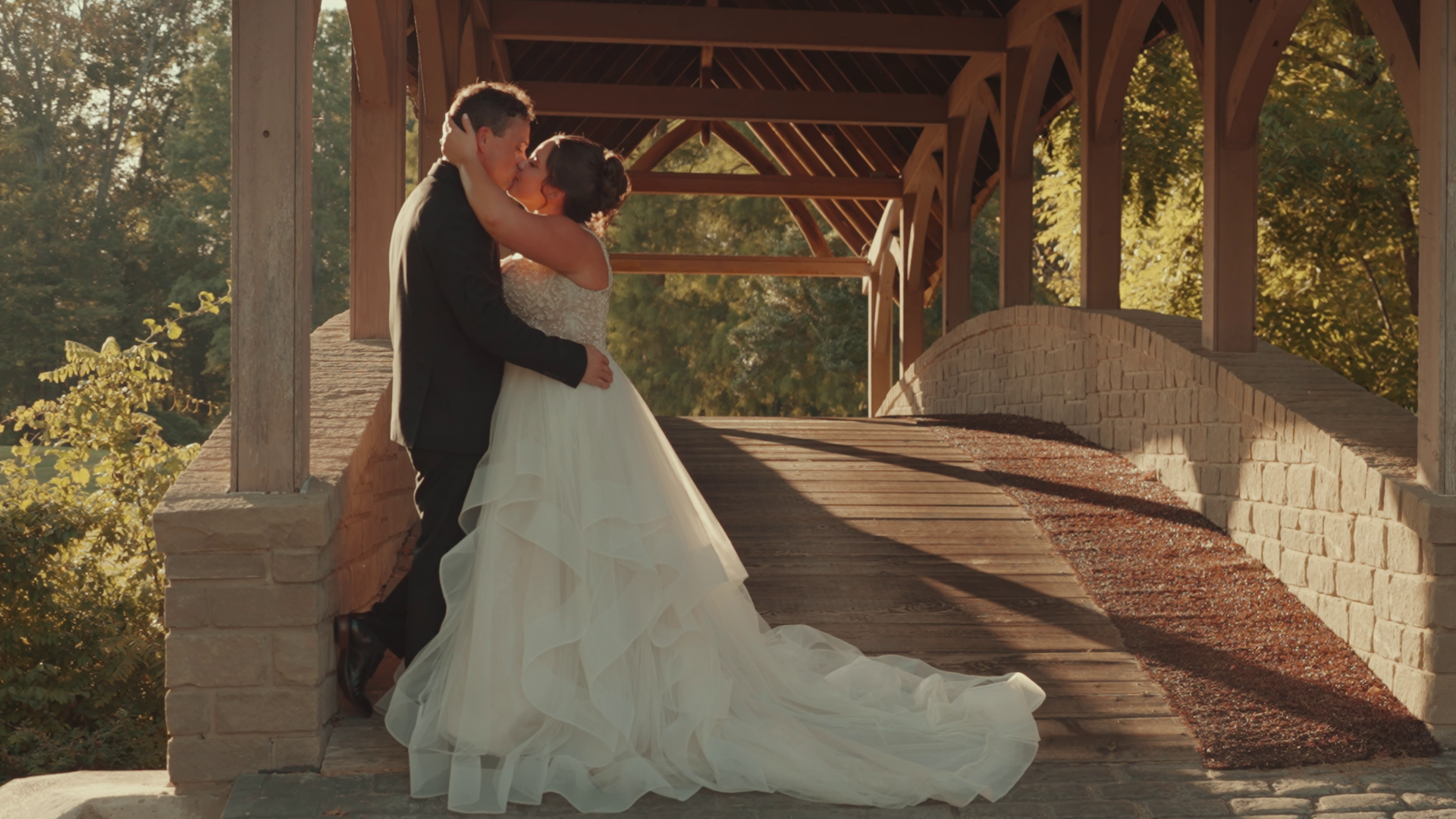
Secrets Great Couples Share on Film
Two people. Same wedding day. Same lighting. Same “say something sweet” prompt… and somehow one couple gives you chills while the other feels like they’re reading lines.
This post breaks down the real difference: not how much you love each other, but what you’re willing to share when the camera’s rolling. From talking about the why (not just the what), to letting the in-between moments breathe, to being just vulnerable enough to feel true—these are the “secrets” great couples naturally bring to film.
If you want a wedding film that feels like your story (not a performance), this one’s for you.
You’ve seen it: two people on camera, same wedding day, same lighting, same “say something sweet” prompt… and one couple gives you chills while the other feels like they’re reading a script.
The difference usually isn’t how much they love each other. It’s what they’re willing to share.
Below are a few “secrets” great couples tend to share on film — not because they’re trying to perform, but because they’re present, honest, and all-in.
1) They talk about the why, not just the what
Most couples can say what they love: “They’re funny,” “They’re kind,” “They’re my best friend.”
Great couples go one layer deeper:
Why does their humor matter?
When did their kindness change your life?
What moment made you think, “Yep… that’s my person.”
On film, specifics beat summaries every time.
2) They let the camera catch the in-between moments
The best footage is rarely the “pose and smile” stuff.
It’s:
The breath you take right before you walk down the aisle
The hand squeeze during the ceremony
The quiet “Are you good?” right before the reception doors open
Great couples don’t try to fill every second. They let the moment be the moment.
3) They aren’t afraid to be a little vulnerable
The couples that hit hardest on film are the ones who admit something real:
“I was scared I’d never find this.”
“I didn’t know how to be loved like this.”
“You showed up for me when I didn’t deserve it.”
That kind of honesty doesn’t make you look weak. It makes your story feel true.
4) They speak to each other, not to “everyone watching”
When couples start performing for the camera, you can feel it.
Great couples do the opposite:
They talk like they’re in the kitchen at midnight
They say the inside jokes
They use the nickname
They look at each other like the rest of the room disappeared
That’s when the film stops being “a wedding video” and becomes your story.
5) They give credit where it’s due
A lot of couples share the highlight reel version of their relationship.
Great couples will say things like:
“You helped me grow up.”
“You made me better.”
“You loved me through a hard season.”
It’s not about oversharing. It’s about acknowledging the real work love takes.
6) They remember the people who got them here
The most emotional films aren’t only about the couple.
They include:
Parents and grandparents
Friends who carried you through
The people you wish could’ve been there
Great couples make room for gratitude — and that gratitude comes through loud and clear on film.
7) They trust the process (and they trust their filmmaker)
When couples feel safe, they relax. When they relax, they’re themselves. When they’re themselves, the film becomes timeless.
So here’s the real “secret”: great couples don’t try to act in their wedding film.
They just show up fully.
Want your film to feel like you?
If you’re planning a wedding and you want a story-driven film that captures the real stuff — the laughs, the nerves, the tears, the chaos, the calm — I’d love to hear what you’re dreaming up.
Reach out and tell me your date, your venue, and what matters most to you. Then we’ll build a plan to capture it in a way that feels natural, not forced